
California City, California
California City is a planned desert municipality in southern California, incorporated in 1965. It covers a large land area with a small population and a distinctive grid of largely undeveloped parcels.
California City is a municipality in the Mojave Desert region of Southern California, incorporated in 1965. Originally conceived as a large planned community, it today has a population of a little over 14,000 residents. The city is notable for the contrast between its extensive municipal boundaries and a relatively small, spread-out population.
Image gallery
7 Images


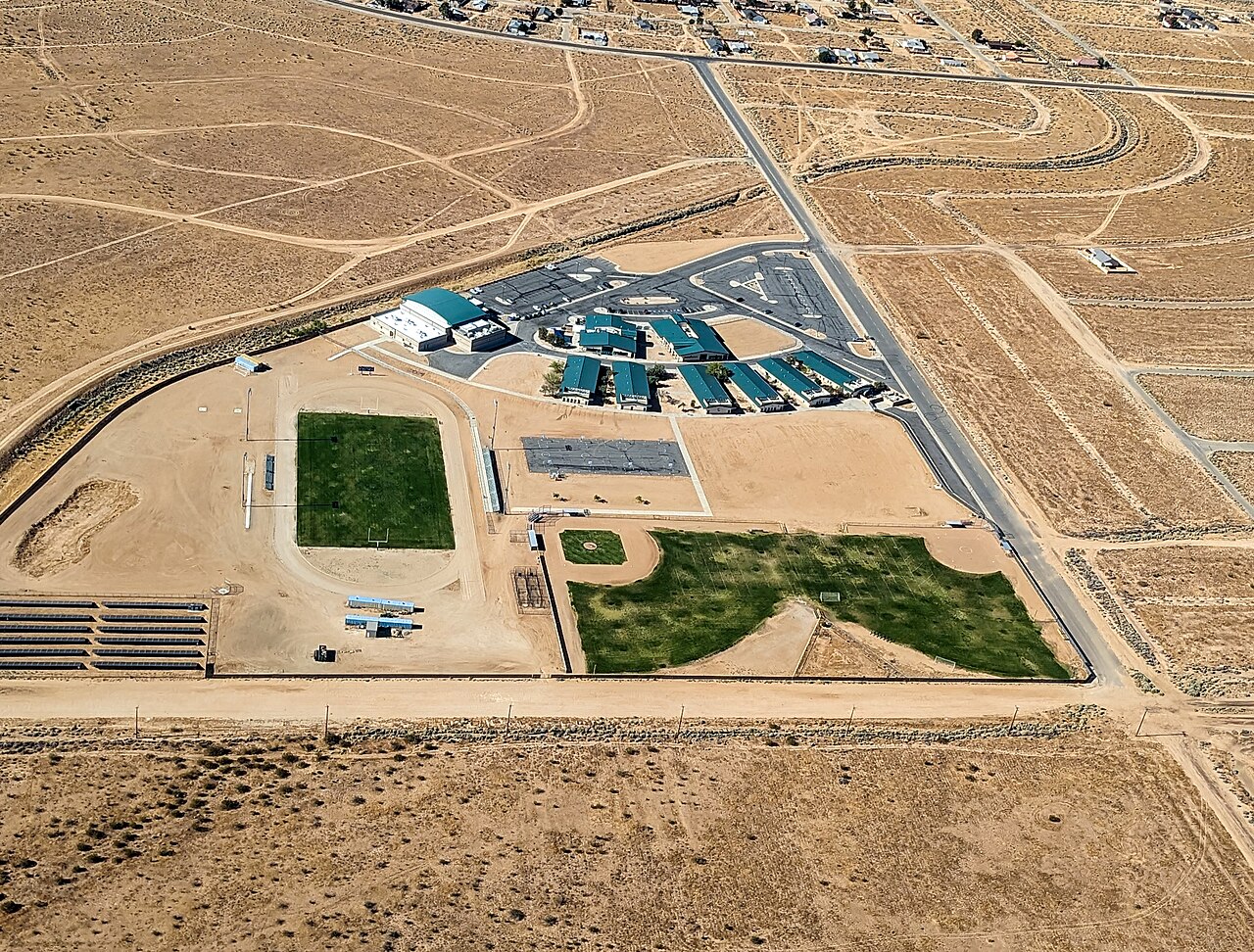


Geography and layout
The city occupies a broad area of high desert, characterized by arid landscapes, sparse vegetation, and wide-open skies. Planners laid out a regular grid of streets and many residential lots, but much of that plan remains lightly developed. This pattern gives California City a distinctive appearance: a near-rural population concentrated in a few neighborhoods surrounded by expanses of vacant parcels.
History and development
California City was promoted in the mid-20th century as an ambitious suburban alternative, attracting buyers with the promise of future growth and amenities. After formal incorporation in 1965, the city experienced intermittent growth spurts but never reached the scale originally envisioned by developers. Its history reflects larger trends in postwar planned communities and the challenges of developing in desert environments.
Government, services and amenities
The city maintains local government services to serve residents and visitors. Services and features include:
- Municipal administration and community planning.
- Local law enforcement through the city police department and public safety arrangements.
- Postal services via a local U.S. post office.
- Recreation such as parks, a golf course, and access to nearby desert trails and open space.
There is also a small general-aviation airport and basic commercial services that support daily life in the community.
California City is often cited as an example of a planned-development idea that evolved differently than expected. Its combination of a large municipal footprint, a sparse population, and a visible grid of undeveloped lots makes it an object of interest for urban planners, real-estate historians, and visitors curious about modern desert towns.
Tags
Related articles
Author
AlegsaOnline.com California City, California Leandro Alegsa
URL: https://en.alegsaonline.com/art/16117