
Calhoun County, Iowa: Overview, History, and Community
Calhoun County is a rural county in west-central Iowa with Rockwell City as its county seat. Known for agriculture, small towns, and Midwestern landscapes, it has a history tied to 19th-century settlement and railroads.
Calhoun County is a county in Iowa. Its county seat is Rockwell City. Located in the interior of the state, Calhoun County is primarily rural and characterized by a patchwork of farmland, small communities, and local service centers. The county functions as a local government unit, providing public services, infrastructure, and records for residents in its towns and surrounding countryside.
Image gallery
6 Images


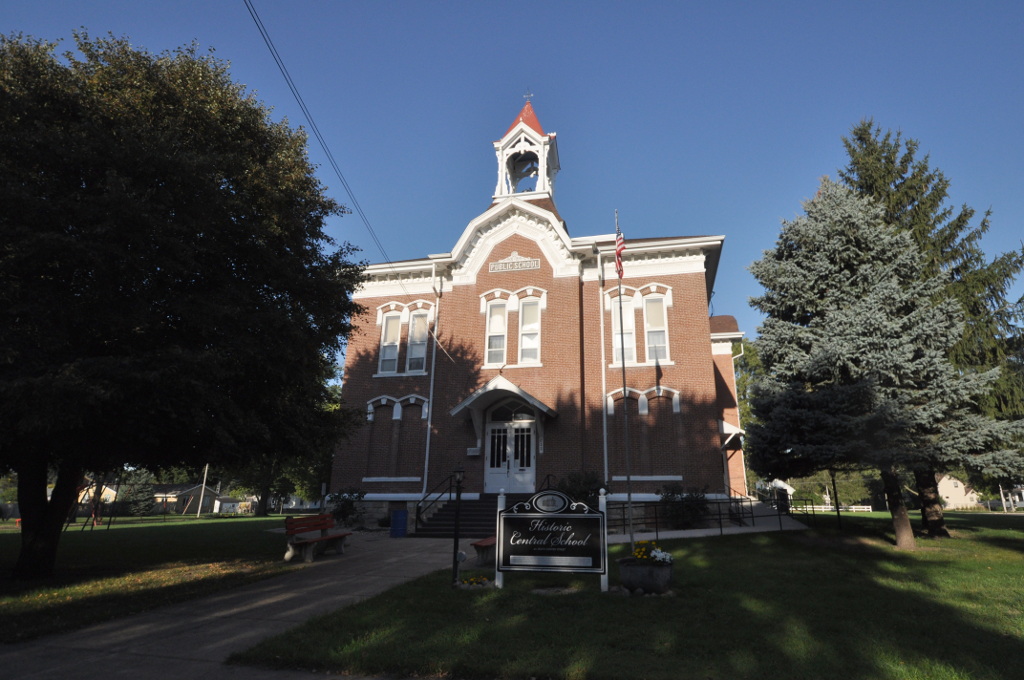

Geography and economy
The landscape of Calhoun County reflects much of Iowa's glaciated plain: gently rolling fields, tile-drained cropland, and pockets of wetland and small lakes. Agriculture dominates the local economy, with commodity crops and livestock forming the backbone of business and employment. Rural roads and a network of county highways connect farms to market towns and regional transportation corridors, and community life often centers on schools, churches, and cooperative enterprises.
History and development
Like many counties in the region, Calhoun County’s European-American settlement dates to the 19th century, following treaties and land surveys that opened the area to farming. The county takes its name from John C. Calhoun, a prominent 19th-century U.S. statesman. Growth and organization were influenced by waves of settlers, the extension of rail lines, and the steady conversion of prairie to cultivated fields. Over time small towns developed as service hubs for surrounding farms.
Government, communities, and services
The county is governed by elected officials, including a board of supervisors, and maintains local departments for law enforcement, public works, and social services. Rockwell City serves as the administrative center and hosts essential functions such as the courthouse and county offices. Several other towns and unincorporated settlements provide schools, businesses, and civic institutions that support rural residents.
Culture and notable features
Community life in Calhoun County reflects Midwestern rural traditions: county fairs, volunteer fire departments, and high school athletics. Outdoor recreation often takes place on public lands, lakeshores, and trails, while local museums and historical societies preserve regional stories. The county’s economy and identity remain closely tied to agriculture, but communities also adapt through small manufacturing, service businesses, and renewable energy projects that appear across the Iowa landscape.
Practical information
- Visitors typically reach the county by state and county roads; regional airports and cities provide longer-distance connections.
- Local government information, property records, and community resources are available through the county seat and municipal offices.
- For more on the region and services, see local government and tourism resources linked through county and state portals.
Tags
Related articles
Author
AlegsaOnline.com Calhoun County, Iowa: Overview, History, and Community Leandro Alegsa
URL: https://en.alegsaonline.com/art/16098