
Bus garage (bus depot)
A bus garage—also called a bus depot—is a facility where buses are parked, maintained, refuelled or recharged, and dispatched. This article covers layout, functions, history, and modern developments.
A bus garage, often called a bus depot in everyday usage, is a dedicated facility where buses are stored and serviced. It serves as a base for vehicle maintenance, cleaning, refuelling or recharging, and the administrative and operational tasks needed to put buses into service. Terminology varies by region: in some countries the term bus depot may also refer to a passenger station where buses pick up and drop off riders, while elsewhere it denotes the vehicle yard and workshops only.
Image gallery
8 Images


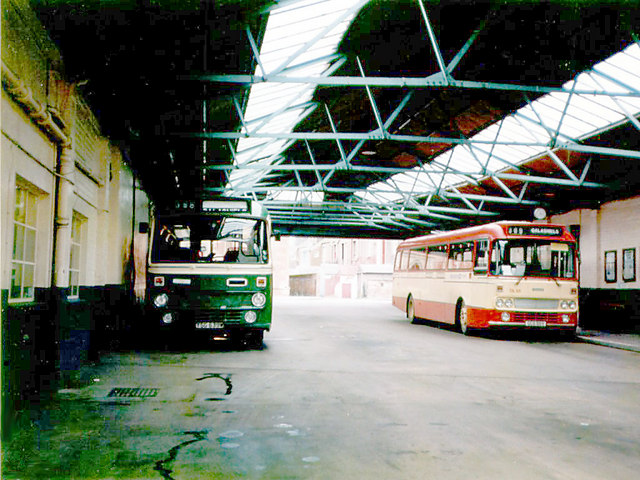
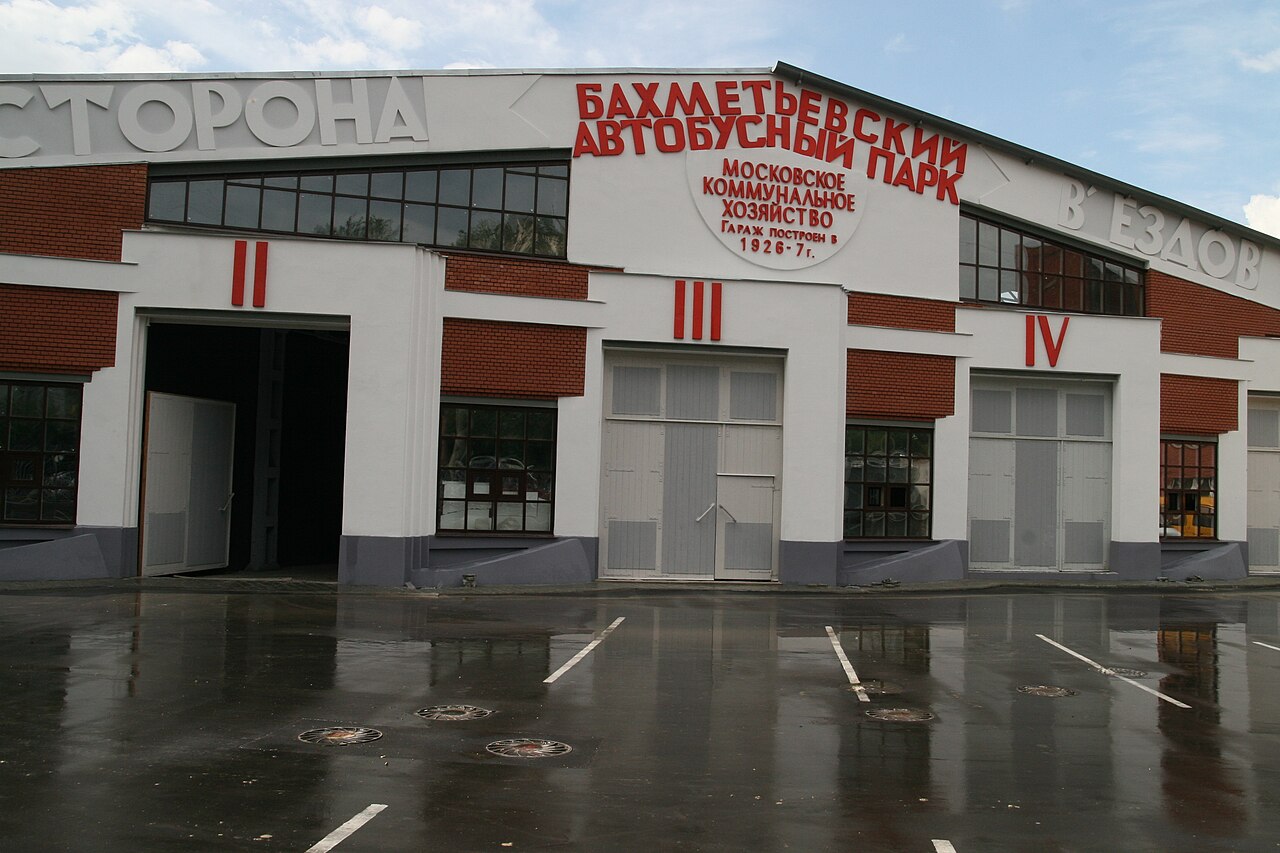
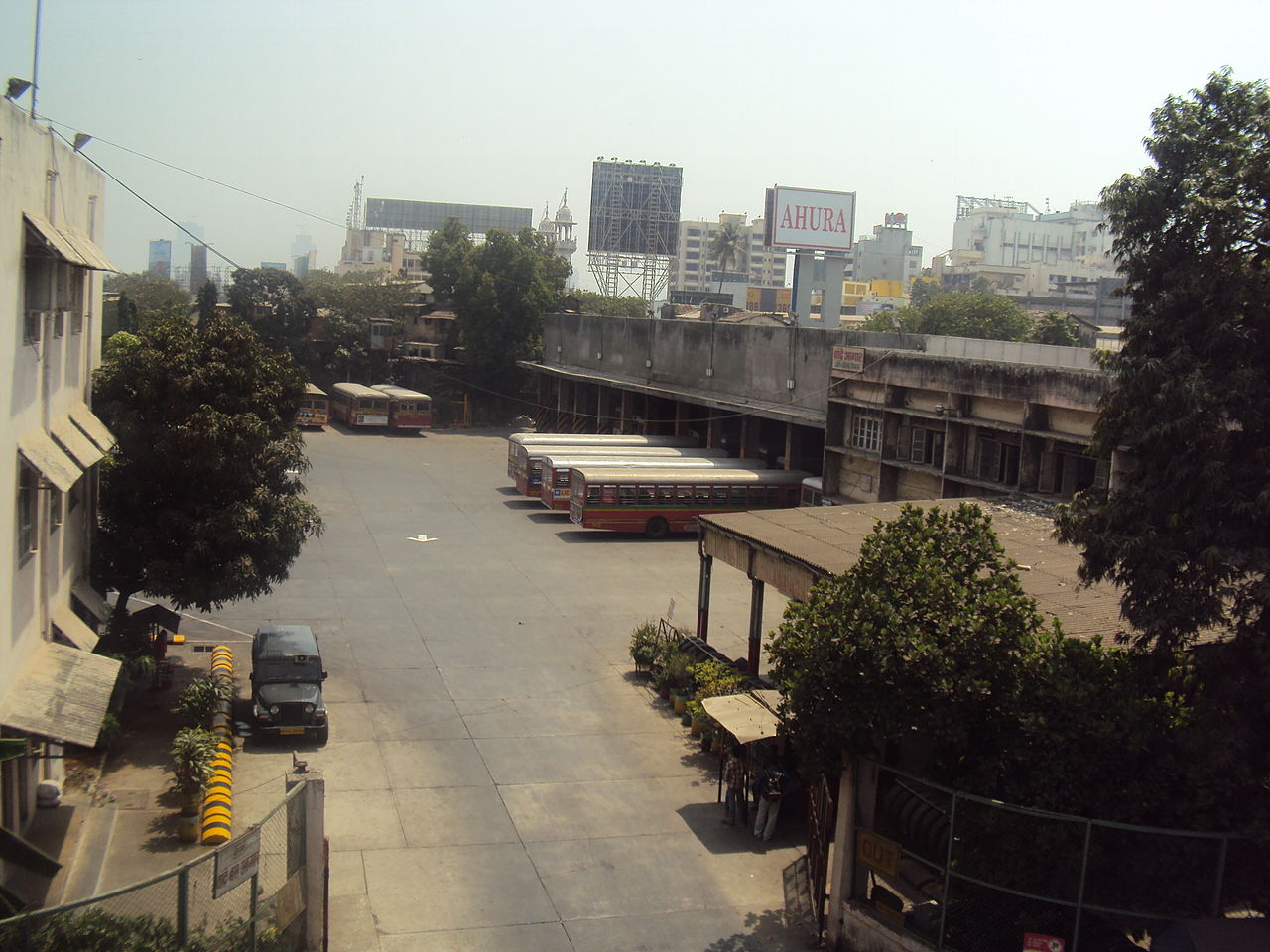


Layout and typical facilities
- Parking and circulation: Indoor and outdoor parking areas accommodate active fleet vehicles, reserve buses and recovery trucks. Internal parking protects vehicles from weather; external parking often handles staff cars and overflow.
- Maintenance workshops: Mechanical and electrical bays with hoists and inspection pits allow technicians to perform routine servicing, repairs and overhauls. An engineering section handles diagnostics, component replacement and bodywork.
- Fueling and energy infrastructure: Traditional depots include fuel storage and a fueling point for diesel, petrol or compressed natural gas. Modern depots increasingly provide electric charging equipment and battery storage to support zero-emission buses.
- Testing and cleaning: Brake test lanes, emission-control equipment, bus washes and inspection pits are used to ensure safety and cleanliness before vehicles return to service.
- Support and administration: Offices, dispatch rooms, staff rest areas, training facilities and a canteen enable day-to-day operations and workforce management.
Many depots also contain recovery vehicles that assist with breakdowns around the network. Environmental controls—such as oil separators, spill containment and controlled waste handling—are commonly integrated to reduce pollution risk and meet regulatory requirements.
History and development
Bus garages frequently evolved from earlier transport facilities. In many towns the sites were formerly tram sheds where tramcars were stored and maintained before being replaced or supplemented by buses. In other areas depots were constructed to replace horse-bus yards as urban transit motorised. Over time, as fleets and technologies changed, depots have been adapted to handle larger vehicles, articulated buses and, more recently, electric and hybrid drivetrains.
Operational practices have also matured: scheduled preventative maintenance, centralized parts inventories and computerised fleet management systems now help reduce downtime and improve reliability. Training areas within depots support driver instruction, safety drills and familiarisation with new vehicle types.
Function, importance and modern trends
Beyond parking and repairs, a depot is the nerve centre for bus scheduling, crew allocation and day-to-day operations. It is where buses are prepared for service: fuelled or charged, inspected, cleaned and allocated to routes. Depots can therefore have a direct effect on service quality and fleet availability.
Recent trends include retrofitting sites with charging infrastructure for electric buses, installing gas-handling equipment for CNG vehicles, and adopting energy-management systems to optimise charging and on-site power use. Some large urban depots also incorporate renewable energy generation or battery storage to reduce operational costs and emissions. A notable modern facility is the Millennium Park Bus Depot in Delhi, India, which is often cited for its large scale and comprehensive infrastructure.
Distinctions and notable facts
- Terminology: "garage", "depot", and "bus station" can mean different things depending on local usage; clarity is important when planning or describing facilities.
- Safety features: Fuel storage, inspection pits and brake-test lanes require strict regulation and regular inspections to ensure staff and public safety.
- Adaptability: Depots are being reconfigured worldwide to support low- and zero-emission buses, making them critical assets in urban decarbonisation strategies.
For more detailed examples of depot design, operational guidelines and technological options, consult transport authority publications and specialised engineering references. Many transit agencies publish case studies and technical briefs that illustrate how depots are planned and modernised for future fleets.
Further reading on fleet storage | Terminology and passenger facilities | Heritage sites and tram-to-bus conversions | Fuel and energy management | Workshop and engineering practices
Related articles
Author
AlegsaOnline.com Bus garage (bus depot) Leandro Alegsa
URL: https://en.alegsaonline.com/art/15566
Sources
- indianexpress.com : "On-off bus station now definitely on"
- wikipeers.com : DTC Sets Up the Largest Bus Depot in Delhi Ahead Of the Commonwealth Games