
Cabaret (musical)
Stage musical (1966) by Joe Masteroff, Fred Ebb and John Kander set in 1930s Berlin; mixes nightclub entertainment with political drama. Premiered on Broadway and later adapted into the 1972 film.
Overview
Cabaret is a landmark stage musical first produced on Broadway in 1966. The piece combines a dramatic book by Joe Masteroff with lyrics by Fred Ebb and a score by John Kander, whose credits are linked here: John Kander. The show draws on Christopher Isherwood’s collection of stories published as Goodbye to Berlin and on John Van Druten’s 1951 play I Am a Camera. In 1967 the original Broadway production received the Tony Award for Best Musical, a recognition of its impact on American theatre: Tony Award, Best Musical.
Image gallery
10 Images





Setting, characters and themes
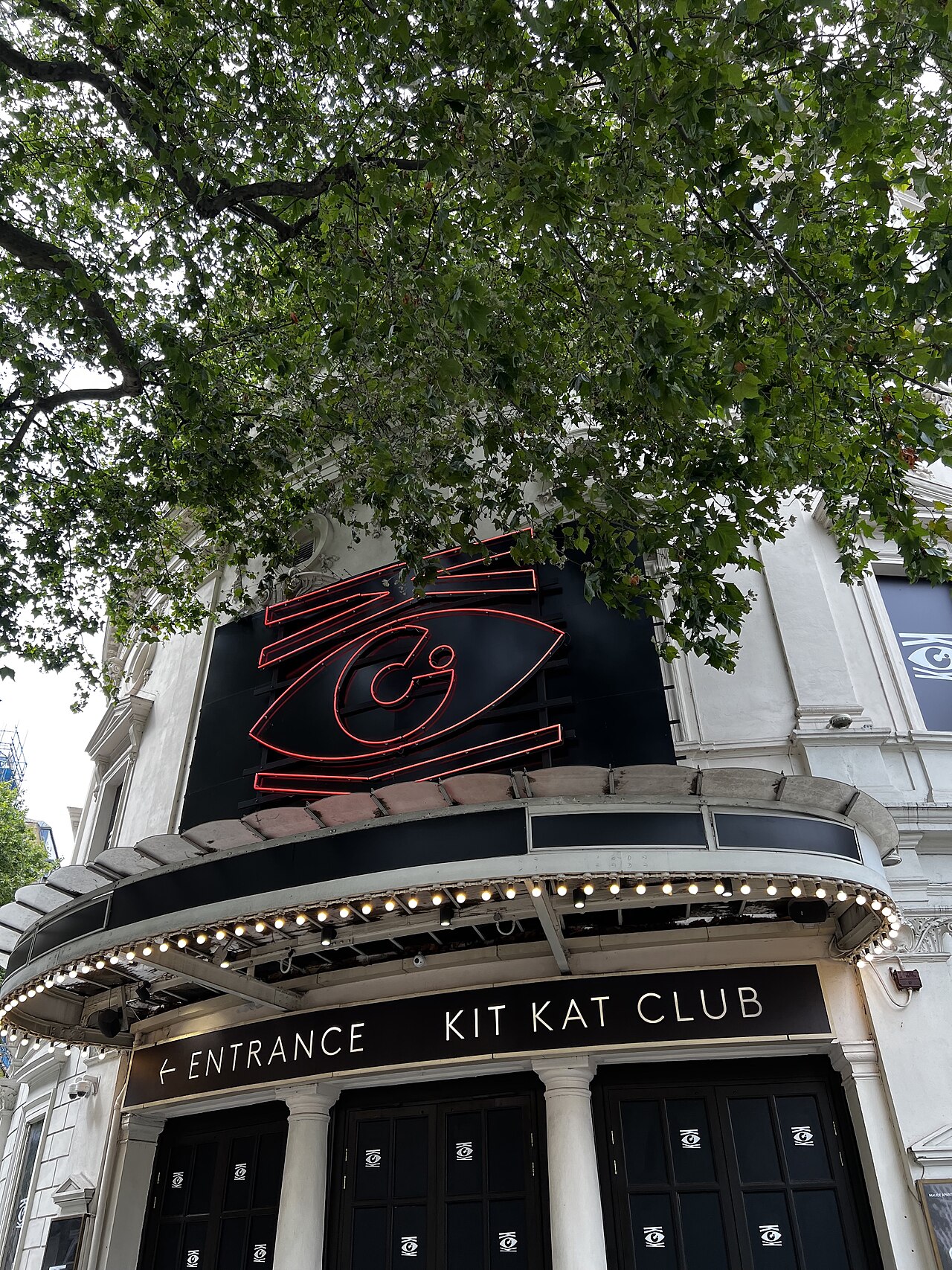
Cabaret is set in Berlin during the early 1930s as the National Socialist movement is gaining power. Much of the action takes place in and around a seedy nightclub called the Kit Kat Klub, where performances provide a counterpoint to the unfolding political crisis. The narrative follows the English writer Clifford Bradshaw and the flamboyant nightclub performer Sally Bowles, and includes a secondary storyline about an older couple whose relationship is tested by prejudice and violence. The city and its atmosphere are central to the show’s tension: Berlin is both a playground and a warning.
Structure and music
One of Cabaret’s defining qualities is the way its musical numbers function as commentary rather than simple entertainment. The Emcee and ensemble present songs that range from sultry cabaret acts to darkly ironic numbers, creating a constant contrast between spectacle and tragedy. Memorable songs that have entered the broader cultural lexicon include:
- "Wilkommen"
- "Cabaret"
- "Maybe This Time"
- "Money (Money)"
These songs blend styles from 1920s–30s popular music, German cabaret traditions and contemporary musical theatre, illustrating how the show uses performance within performance to comment on social collapse.
Production history and adaptations
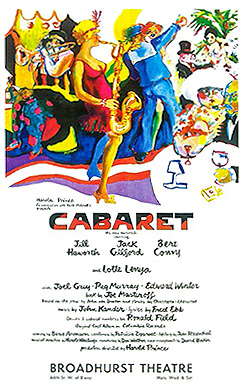
The original Broadway production opened on 20 November 1966 at the Broadhurst Theatre and ran for more than a thousand performances. The first West End staging opened on 28 February 1968 at the Palace Theatre. Over the decades Cabaret has seen numerous revivals and reinterpretations around the world, each emphasizing different aspects of its political and theatrical charge.
In 1972 a major film adaptation brought the story to a wider audience, starring Liza Minnelli alongside Michael York and Joel Grey. The cinematic version made substantial changes to staging and emphasis—common when a work moves between stage and screen—but helped to cement several songs and the character of Sally Bowles in popular memory.
Legacy and notable facts
Cabaret is frequently discussed for the way it merges entertainment with historical warning: the nightclub’s frivolity masks the rise of authoritarianism. The musical’s form—using onstage performances to reflect or distort the main action—has influenced many later works that mix satire, music and social critique. The term "cabaret" itself refers to the intimate nightclub performance tradition that the show both depicts and interrogates: cabaret.
For readers seeking further information on the creative sources and biographies connected to the show, see links to the novel and principal artists above; these provide entry points into the wider literary and theatrical history that inspired the musical.
Related articles
Author
AlegsaOnline.com Cabaret (musical) Leandro Alegsa
URL: https://en.alegsaonline.com/art/15837