
Buddhism in Pakistan: History, Sites, and Cultural Legacy
A concise account of Buddhism’s historical presence in what is now Pakistan, its Gandharan art and archaeological sites, the religion’s decline, and the modern status of heritage and communities.
Overview
Buddhism once flourished across large areas of what is now Pakistan. From the early centuries BCE through the first millennium CE the region formed a core of the Gandhara cultural sphere, linking South Asia with Central Asia and fostering a distinctive Buddhist tradition. Monasteries, stupas and schools of art and learning were established along trade routes and river valleys. Today active Buddhist communities in Pakistan are very small, though remnants of the religion’s material culture survive at numerous archaeological sites and in museum collections.
Image gallery
10 Images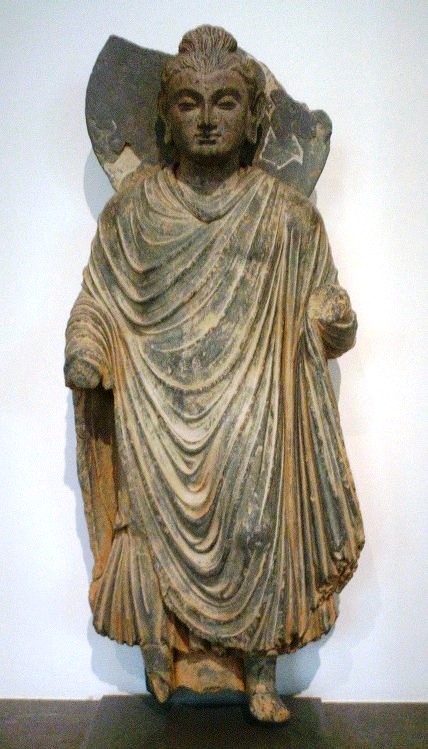




History and development
The spread of Buddhism into this region accelerated under imperial patrons and through long-distance exchange. During and after the Mauryan period, missionary activity and monastic foundations expanded religious influence. Under later dynasties such as the Kushans, Gandharan Buddhism experienced a cultural florescence: monasteries became centers for philosophy, scriptural study, and artistic production that blended Hellenistic, Central Asian and South Asian motifs. This synthesis is often called Greco-Buddhist art and had a lasting impact on Buddhist visual culture further east.
Major sites and archaeological evidence
- Taxila — a prominent ancient university town and trade hub with extensive ruins of stupas, monasteries and learning centers.
- Takht-i-Bahi — a well-preserved monastic complex that exemplifies early monastic architecture and is recognized for its archaeological importance.
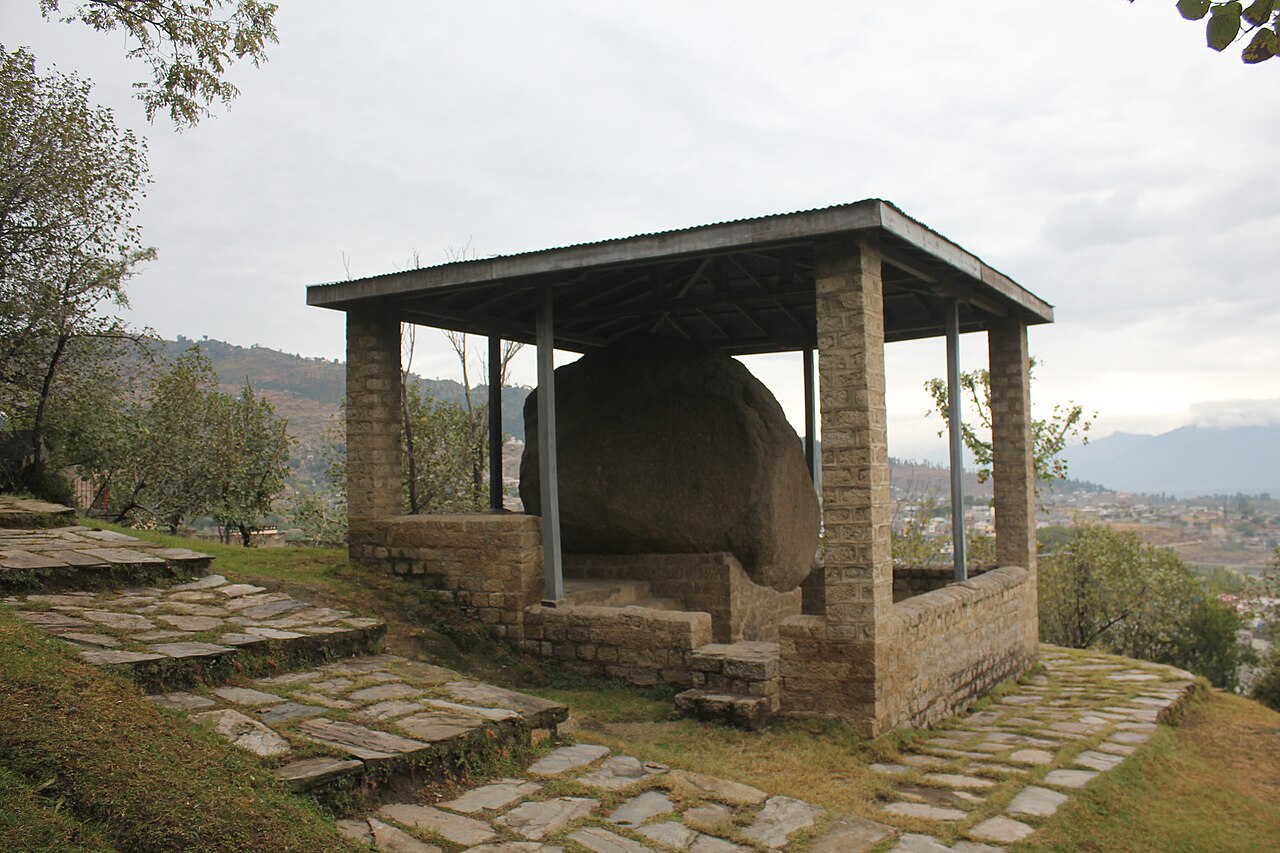
- Swat Valley — home to numerous stupas, rock carvings and monastic sites such as Butkara that attest to continuous Buddhist occupation into the early medieval period.
- Other finds across Peshawar, the Khyber region and northern hills reveal sculptures, reliefs and manuscript fragments linked to Gandharan workshops.
Decline, continuity and modern presence
The gradual spread of Islam from the seventh century onward, combined with social and political transformations, led to a long-term decline of institutional Buddhism in many parts of the region. Conversion, migration and changing trade patterns reduced monastic populations. Small numbers of Buddhists likely remained in isolated Himalayan and Kashmiri communities for centuries. In modern times, most living Buddhist communities in the greater Kashmir-Ladakh area are on the Indian side of the Line of Control; a few practitioners may be found in Pakistani-administered Kashmir and northern territories, often connected by ethnicity to Tibetan and Ladakhi groups.
Legacy, art and heritage management
Gandharan sculpture and iconography are considered among the most important legacies of Buddhism in this area, illustrating a dialogue of styles and techniques. Many artifacts have been excavated and are held in regional museums or abroad, while others remain in situ at protected sites. Conservation and responsible tourism are ongoing concerns; archaeological research, restoration projects and local stewardship aim to preserve ruins and educate visitors about this multi-layered past. Looting and illicit export of antiquities have at times threatened collections, prompting national and international efforts to record and repatriate material.
Further reading and resources
For overviews and site descriptions see regional surveys and conservation reports. Useful starting points include general treatments of Gandhara archaeology and the history of Buddhism in South Asia. For more information consult academic summaries and heritage agency materials: regional archaeology, site inventories, conservation programs and museum collections.
Related articles
Author
AlegsaOnline.com Buddhism in Pakistan: History, Sites, and Cultural Legacy Leandro Alegsa
URL: https://en.alegsaonline.com/art/15075