
Buddhism in Bangladesh: history, communities, and cultural heritage
An overview of Buddhism in Bangladesh: its historical roots, principal communities (mainly Theravada), important archaeological sites, contemporary practices, and the challenges faced by this minority religion.
Overview
Buddhism is a minority faith in Bangladesh, constituting roughly 0.7% of the population and ranking as the country’s third largest religion. Most adherents follow forms of Theravada Buddhism and live primarily in the southeast, including the coastal city of Chittagong and the Chittagong Hill Tracts (CHT). For basic demographic figures and recent census summaries, see official statistics.
Image gallery
10 Images




Historical development
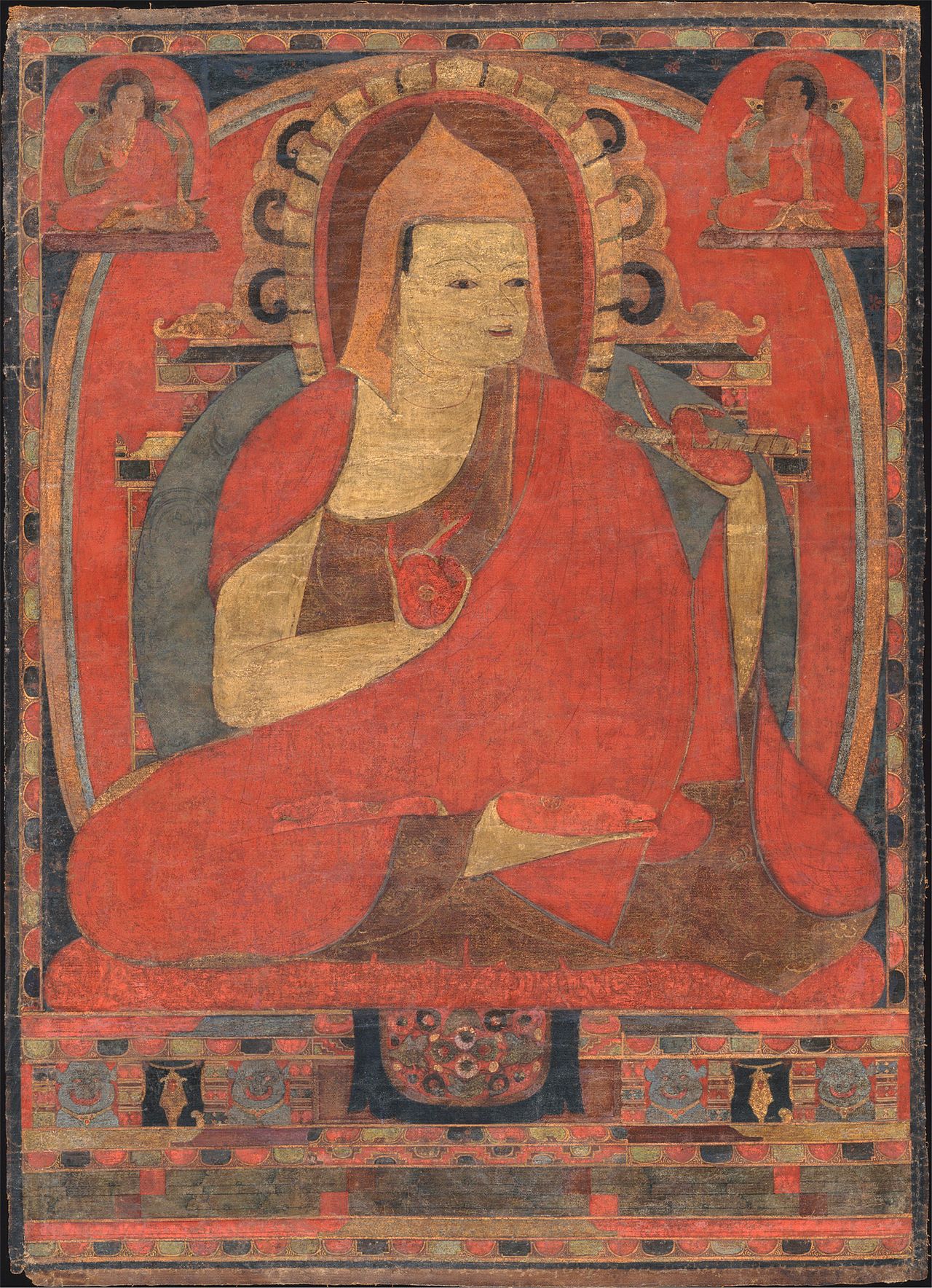
Buddhism has deep roots in the Bengal region. From early centuries through the medieval period, Buddhist institutions and monastic universities flourished under local dynasties, leaving rich archaeological remains. Notable medieval centers became influential in art, learning and trade. Over time, political and religious change reduced Buddhism’s prevalence on the Bengal plains, but many traditions persisted in pockets and among ethnic communities.
Communities and practices
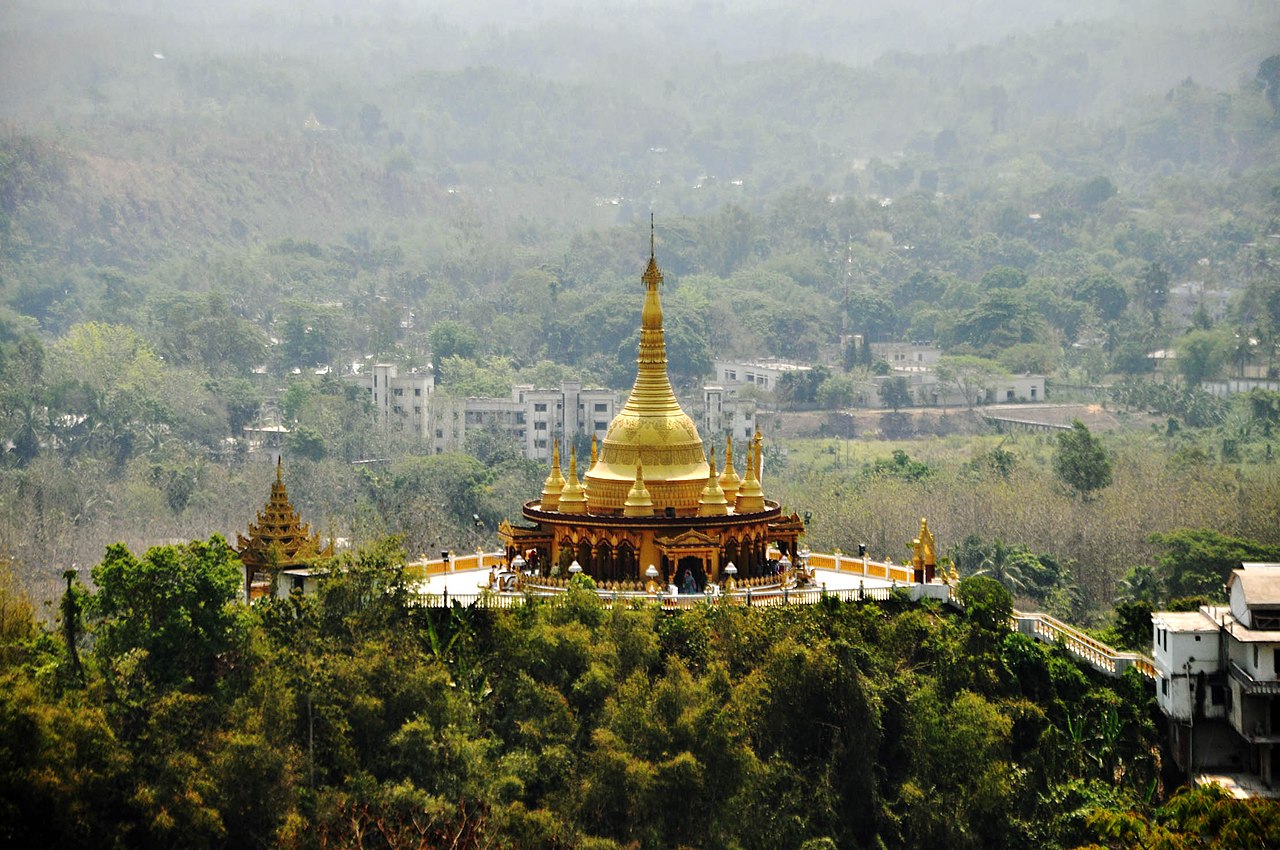
Today Bangladesh’s Buddhist population includes both ethnic Bengali Buddhists and a variety of indigenous groups. Many communities emphasize Theravada doctrine, with monastic life, lay observances, and Pali-based liturgy playing central roles. Key communal practices include observance of Vesak (Buddha Purnima), almsgiving to monks, and ritual life centered on local viharas.
- Ethnic groups with significant Buddhist populations: Chakma, Marma, Tripura, Mru, and the Bengali Barua community.
- Common religious institutions: viharas (monasteries), meditation centers, and community schools.
Sites, art and archaeology
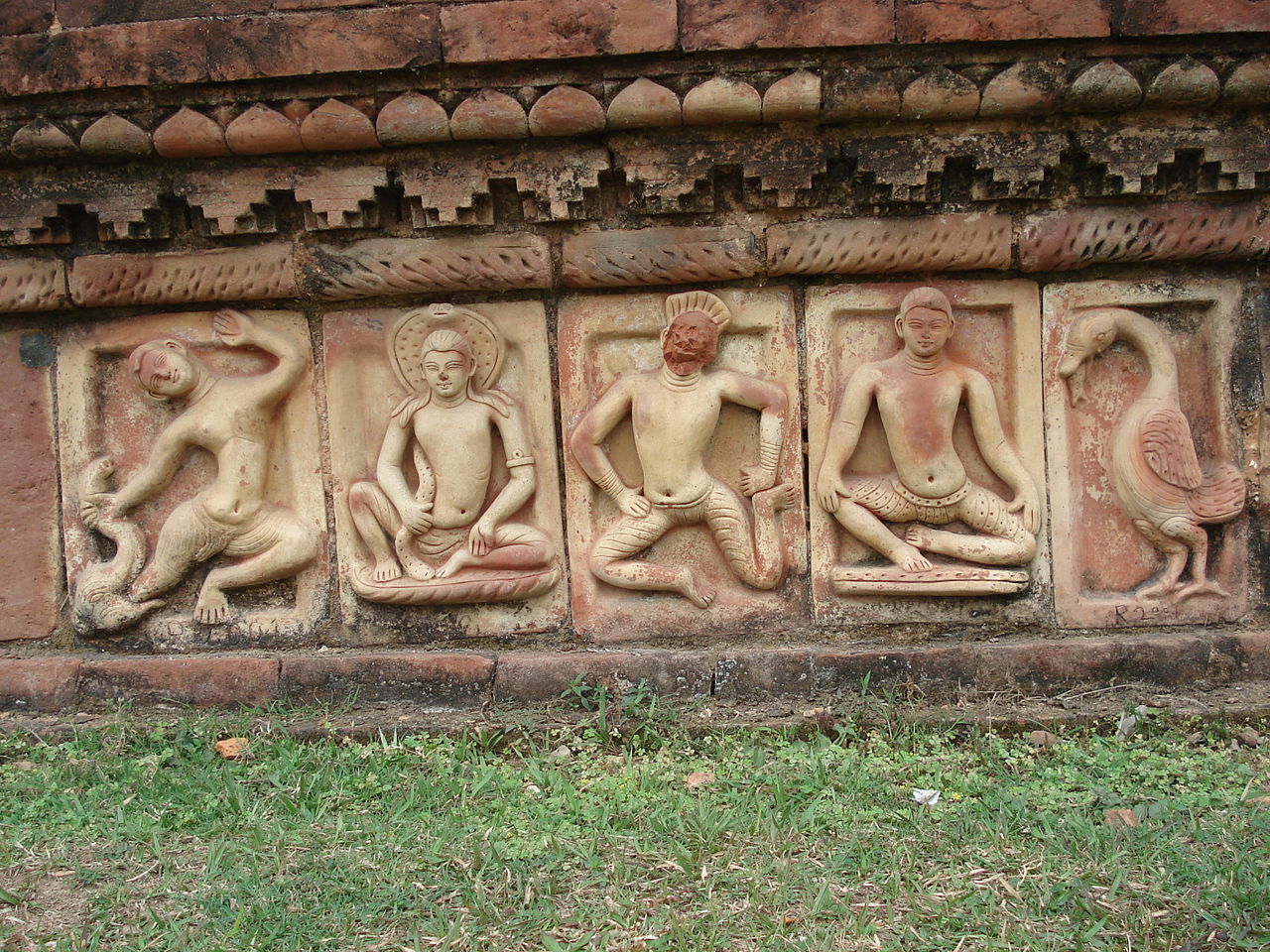
Bangladesh preserves important Buddhist archaeological sites and artistic legacies that testify to its historical importance. Large monastery complexes, sculptural remains and stupas illustrate regional developments in Buddhist architecture and iconography. These sites are part of the country’s cultural heritage and attract both researchers and visitors.
Contemporary importance and challenges
As a religious minority, Buddhists in Bangladesh contribute to cultural diversity while facing typical challenges of small communities, such as preserving language, education, religious sites and economic opportunities. Local organizations, cultural institutions and international partners work to support heritage conservation, religious education and social welfare in Buddhist communities.
Notable facts
- Though numerically small, Bangladesh’s Buddhist tradition has left lasting architectural and artistic legacies.
- Community life often revolves around monasteries that serve religious, educational and social functions.
Related articles
Author
AlegsaOnline.com Buddhism in Bangladesh: history, communities, and cultural heritage Leandro Alegsa
URL: https://en.alegsaonline.com/art/15074
Sources
- banbeis.gov.bd : BANGLADESH: COUNTRY PROFILE