
Ahmed Yassin: Palestinian Cleric, Founder and Spiritual Leader of Hamas
Ahmed Yassin (c.1937–2004) was a Palestinian Islamic cleric who helped found Hamas and served as its spiritual leader. He was a polarizing figure, venerated by supporters and condemned by opponents.
Overview: Ahmed Yassin was a Palestinian imam and religious leader most widely known for his role in founding and leading the Islamic Resistance Movement, commonly called Hamas. Born in the village of al-Jura in the period of the British Mandate, his exact birth year is disputed in records and his own statements. He rose to prominence in the late 20th century as a cleric who framed political struggle in religious terms. To many Palestinians he became a hero and a symbolic leader; to others he was a controversial figure associated with violent tactics in the conflict between Palestinians and Israelis. His life and death are often cited in discussions about the dynamics of resistance, militancy, and leadership in the occupied territories.
Image gallery
4 Images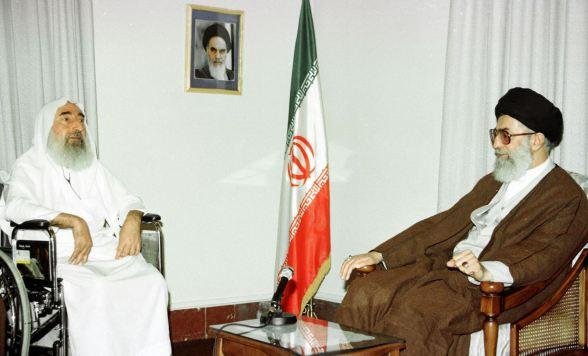


Background and personal circumstances
Yassin spent much of his life with serious disabilities. Confined to a wheelchair from adolescence, he was also reported to be nearly blind and partially hard of hearing. These disabilities shaped both his public image and the ways he exercised influence: he did not typically take part in armed operations himself, but relied on preaching, organizing, and moral authority. His stature as an influential cleric derived in part from his role as a teacher and religious guide in refugee camps and charitable networks prior to and after the founding of his movement.
Founding of the movement and political role
During a period of intense unrest in the late 1980s, Yassin was among the founders of an organized Islamist current that sought to combine social services, religious education, and armed resistance. He is usually identified as the spiritual guide of Hamas from its emergence in 1987. Supporters credit him with providing a coherent religious narrative for popular opposition; critics and many governments accused the organization’s leadership, including Yassin, of endorsing attacks against civilians and of planning operations they described as terrorism. Yassin himself framed resistance as a legitimate response to occupation and at times asserted that armed struggle was the only remaining option, a position that intensified the polarization surrounding him and his movement (see his stance).
Detentions, controversies, and public perception
Throughout his adult life Yassin was subject to surveillance, detentions, and legal actions by authorities who held him responsible for fostering or directing violent activity; Israeli officials repeatedly linked him to operations that targeted civilians and security personnel (Israeli government accusations). At the same time, his supporters emphasized his charitable work, prison visits, and teachings as evidence of a pastoral role. The gap between these portrayals reflects broader disputes over terminology, legitimacy, and the categories of political violence and resistance in the Israeli–Palestinian conflict (Palestinian perspectives versus others).
Assassination and aftermath
Ahmed Yassin was killed in an airstrike in Gaza City in March 2004 after leaving a mosque early in the morning following prayers. The strike occurred in the densely populated coastal territory of Gaza and provoked strong reactions across the region and internationally. Supporters mourned him as a martyr and rallied around his movement; opponents argued the strike targeted an organizer of violence. The killing intensified tensions and had short- and long-term effects on leadership dynamics within Hamas and the broader cycle of retaliation and security measures in the occupied territories.
Legacy and notable aspects
- Yassin's leadership combined religious authority with political activism, producing a figure who was both spiritual mentor and political symbol (resistance against Israel).
- Disability was an integral part of his public image; despite physical limitations he exerted substantial influence through preaching and organizational networks (wheelchair, sight impairment).
- He remains a divisive historical figure: admired in many Palestinian communities and by Islamist sympathizers, while criticized by others who held him responsible for endorsing violence (admirers, detractors).
- His role illustrates how religious leadership, social services, and militant politics can intertwine in protracted conflicts, and how targeted killings affect both organizational structures and public opinion (influence, symbolism).
For further context on the movement he helped found and the political debates that surround his career, consult authoritative historical studies and primary sources that analyze the period of the late 20th and early 21st centuries in which he was active (Hamas background, regional history).
Related articles
Author
AlegsaOnline.com Ahmed Yassin: Palestinian Cleric, Founder and Spiritual Leader of Hamas Leandro Alegsa
URL: https://en.alegsaonline.com/art/1504