
Aila Meriluoto: Finnish poet, translator and writer
Aila Meriluoto (1924–2019) was a leading Finnish post‑war poet, novelist and translator known for exploring art, femininity and modern forms. Her work includes poetry, fiction and translations of Rilke and Shakespeare.
Overview
Aila Meriluoto (10 January 1924 – 21 October 2019) was a Finnish poet, novelist and translator whose career spanned much of the twentieth century. Born in Pieksämäki in Finland, she became one of the most read and influential female poets in Finland after World War II. Her work is remembered for its attention to artistic experience, questions of femininity and for moments of formal experimentation that mirrored broader changes in European poetry.
Image gallery
1 Image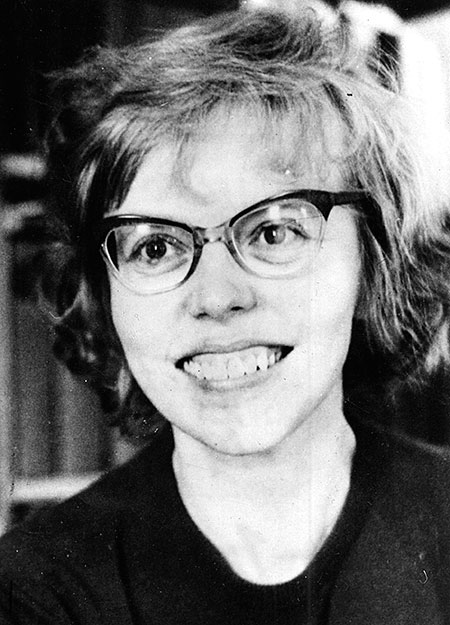
Work and literary characteristics
Meriluoto wrote in a period when Finnish literature was negotiating the aftermath of war and rapid social change. Her poems combine intimate observation with reflections on art and identity. Some collections show a traditional lyric intensity, while others—most notably a mid‑century collection—introduce freer verse and more conversational rhythms. Critics and readers have pointed to her ability to balance personal feeling with broader cultural themes, using clear language and carefully shaped images.
Major publications and genres
In addition to numerous poetry collections, Meriluoto published novels and books for young readers, demonstrating range across genres. Two collections often mentioned in overviews of her career are Pahat unet (1956), which contains poems that move toward free form, and the subsequent collection Portaat, published several years later. Her output reached audiences both through standalone volumes and through reprints that kept her work in public conversation for decades.
Translations and international connections
Meriluoto was also an accomplished translator who helped bring key international voices into Finnish. Her translations include work by Nobel laureate Harry Martinson (Martinsson/Martinson), the German lyricist Rainer Maria Rilke (Rilke), and selections from the English and German classical canons such as Shakespeare and Goethe. Through translation she participated in a two‑way cultural exchange: interpreting foreign texts for Finnish readers and enriching national literary discourse with global perspectives.
Life, recognition and legacy
Meriluoto maintained a public presence for many decades, and readers and scholars have continued to discuss her contributions to Finnish letters. She is often cited as a central female voice of the post‑war era and as a model of a writer who combined poetic craft with a commitment to translation and to writing for younger audiences. She died in a care home in Helsinki on 21 October 2019 at the age of 95.
Notable facts and context
- Her career illustrates the convergence of lyric poetry and social change in post‑war Finland.
- She worked across forms: poetry, prose, children’s literature and translation.
- Her translations helped introduce major European poets and dramatists to Finnish readers.
For readers interested in exploring Meriluoto’s writing, starting points include her mid‑century poetry collections and later compilations that survey her development as a poet and translator. Scholarly studies place her within the generation of writers who reshaped Finnish literature after the war and who opened space for distinct female perspectives in national poetry.
Related articles
Author
AlegsaOnline.com Aila Meriluoto: Finnish poet, translator and writer Leandro Alegsa
URL: https://en.alegsaonline.com/art/1559
Sources
- nordicwomensliterature.net : "Leaving War Behind"
- kansallisbiografia.fi : "Meriluoto, Aila (1924- )"
- kirjasampo.fi : "Meriluoto, Aila"
- is.fi : "Runoilija Aila Meriluoto on kuollut"
- seura.fi : "Runoilija Aila Meriluoto on kuollut 95-vuotiaana – tästä me hänet muistamme"