
Bruce Peninsula: geography, ecology, and human use
Bruce Peninsula in Southern Ontario, Canada, is a limestone escarpment between Georgian Bay and Lake Huron, known for its parks, clear water, karst features, and towns such as Tobermory and Sauble Beach.
The Bruce Peninsula is a prominent landform in Southern Ontario, Canada, projecting northwest between Georgian Bay to the northeast and Lake Huron to the southwest. It forms the eastern edge of Bruce County and is characterized by steep escarpment cliffs, mixed forests, and a rugged shoreline that supports both terrestrial and freshwater marine ecosystems.
Image gallery
10 Images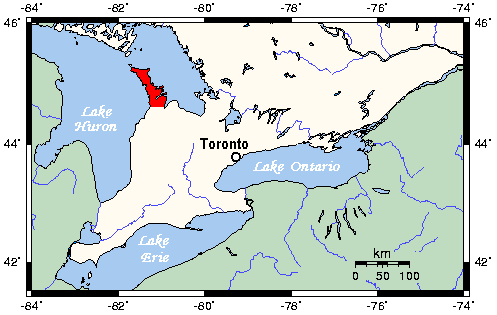


Geography and geology
The peninsula is underlain by dolostone and limestone of the Niagara Escarpment. Glacial and post‑glacial processes sculpted its cliffs, cobble beaches and shallow bays; karst features such as sinkholes and exposed bedrock are common. The topography and underlying rock influence soil, drainage and vegetation, creating locally distinct habitats along short distances.
Protected areas and conservation
Two federally managed parks occupy important portions of the peninsula: Bruce Peninsula National Park, which conserves shoreline, forest and sensitive headlands, and Fathom Five National Marine Park, which protects islands, underwater features and historic shipwrecks. The escarpment and adjacent areas are also recognized for their ecological value within wider regional conservation programs and biosphere initiatives.
Towns, recreation and economy
Settlement on the peninsula is concentrated in a handful of towns that serve residents and visitors. Principal communities include:
- Tobermory — a gateway for boat tours, diving and ferries to nearby islands;
- Lion's Head — known for cliffs and scenic viewpoints;
- Wiarton — a local service centre with connections to surrounding farmland;
- Sauble Beach — a long sandy lakeshore popular in summer.
Outdoor recreation — hiking, birdwatching, caving, scuba diving and boating — supports a seasonal tourism economy. The peninsula is also valued for biodiversity, including rare plants and migrating birds, so management often balances visitor use with habitat protection.
Historically, Indigenous peoples used the peninsula’s resources for millennia; later European settlement focused on fishing, logging and small‑scale agriculture. Today the Bruce Peninsula remains a mix of protected lands, rural communities and recreational landscapes important to regional identity and conservation efforts.
Related articles
Author
AlegsaOnline.com Bruce Peninsula: geography, ecology, and human use Leandro Alegsa
URL: https://en.alegsaonline.com/art/14840