
Georgian Bay
Georgian Bay is a large, island‑strewn bay of Lake Huron in Ontario, Canada, noted for its rugged granite shoreline, rich ecology, and long history of Indigenous use, exploration, and recreation.
Overview
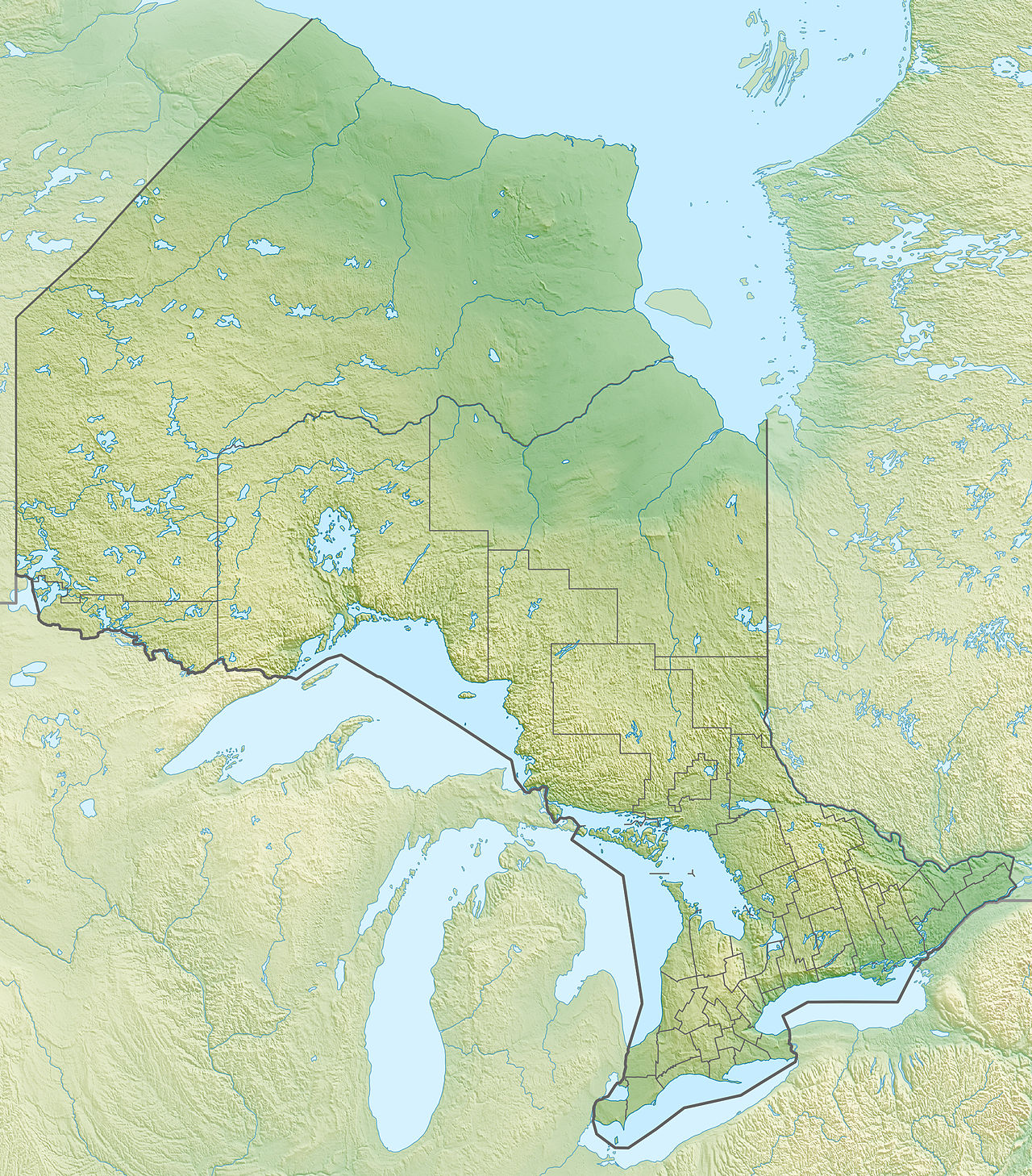
Georgian Bay is a major embayment of Lake Huron located in the province of Ontario, Canada. Its waters and shoreline extend east of the Bruce Peninsula and south of Manitoulin Island, with the North Channel lying to the northwest. The bay is sometimes referenced by its French name, Baie Georgienne, and has long been important for navigation, fisheries and seasonal recreation.
Image gallery
10 Images



Geography and physical characteristics
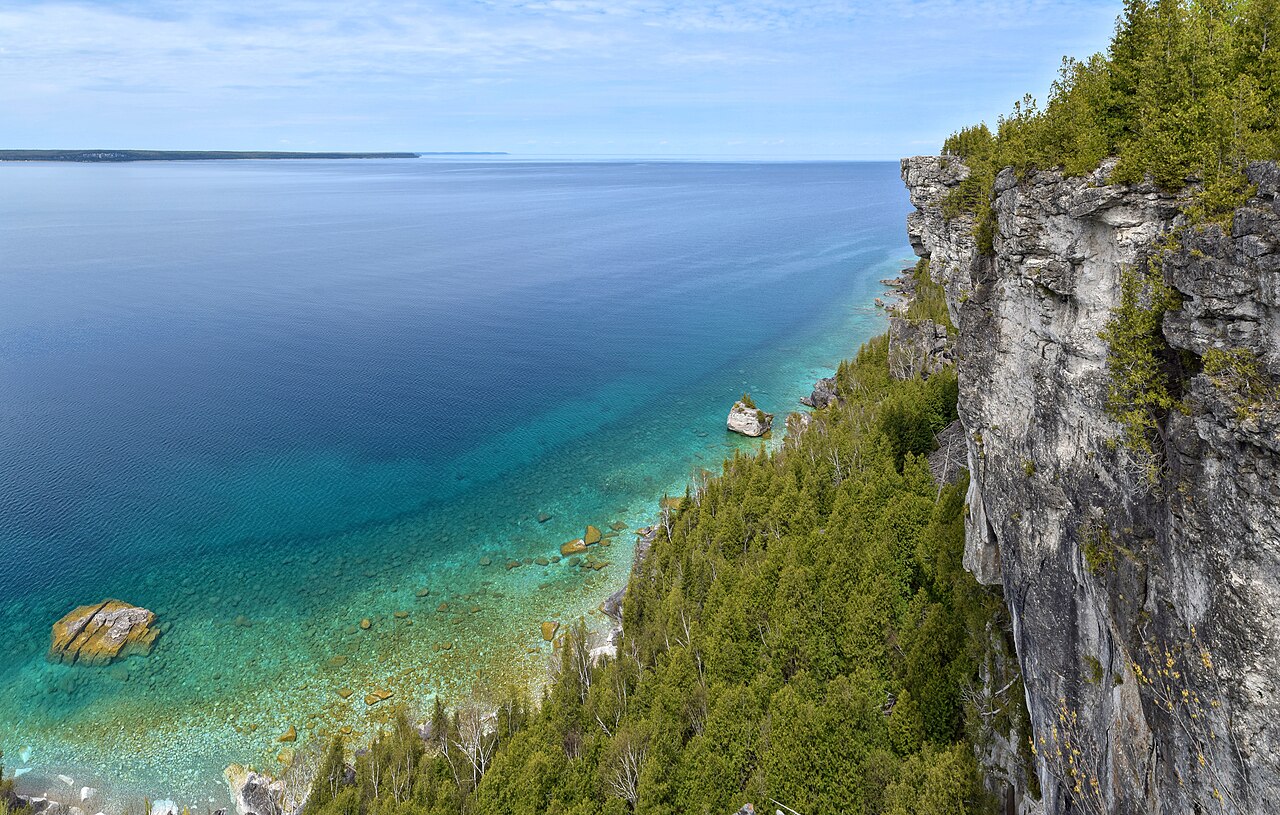
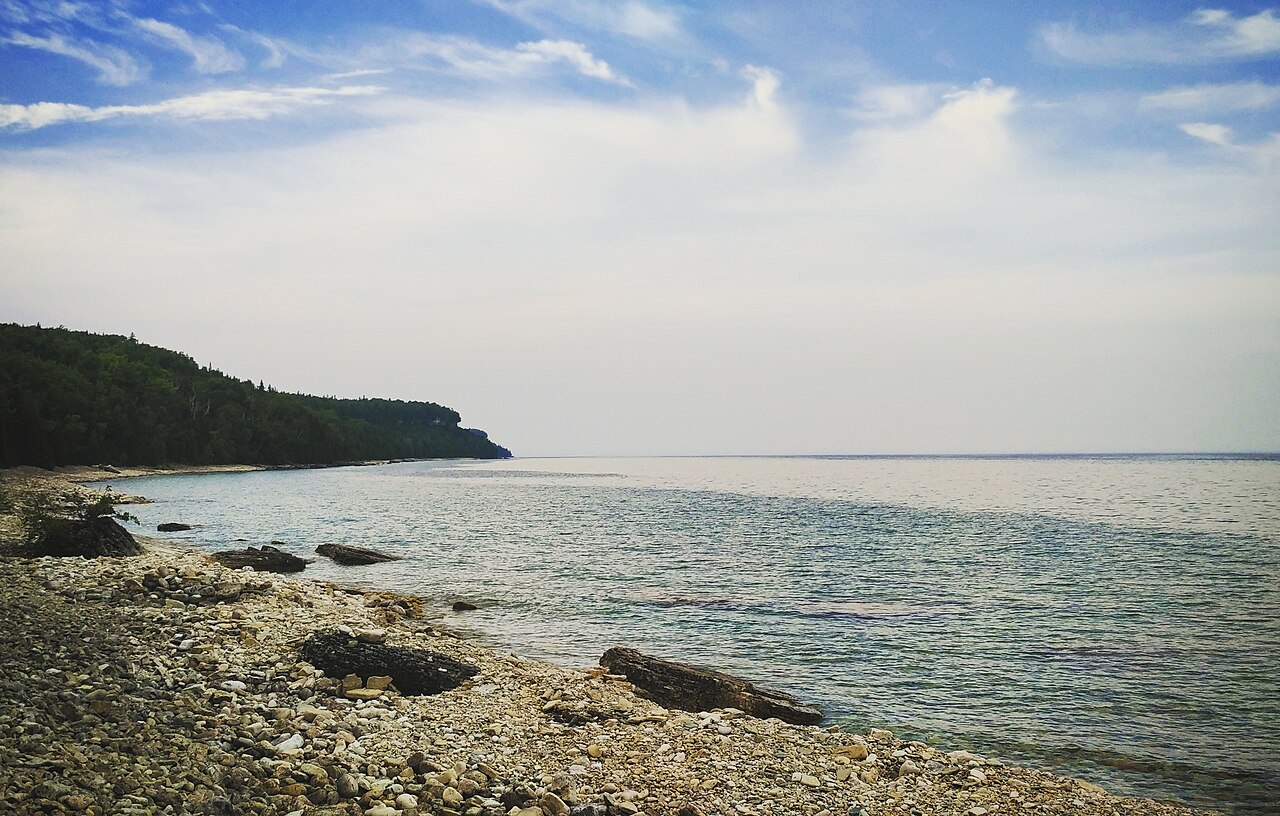
Georgian Bay is distinguished by an extensive and irregular coastline carved from Precambrian bedrock of the Canadian Shield. The bay includes a vast archipelago often called the "Thirty Thousand Islands," considered one of the largest freshwater archipelagos in the world. The mix of sheltered inlets, open water, rocky shoals and islands creates a complex shoreline with many bays, channels and peninsulas.
Administrative regions
The shoreline and islands fall within several districts and counties that are commonly listed around the bay. Moving roughly clockwise, these include the districts of Manitoulin, Sudbury, Parry Sound and Muskoka, along with the more populous counties of Simcoe, Grey and Bruce. The North Channel and adjacent waterways form an important link for local transport and seasonal boat traffic across the northern reaches of the bay (North Channel).
History and human use
For millennia the Georgian Bay area has been home to Indigenous peoples, principally Anishinaabe nations, who used the islands and shoreline for travel, fishing and seasonal settlement. European interest increased with 17th- and 18th-century exploration and the expansion of the fur trade. The bay's present English name honors King George; it was applied by early British navigators and mapmakers. Over subsequent centuries the region supported commercial fisheries, logging and later tourism and cottage development.
Ecology and conservation
The combination of shallow bays, rocky islands and mature forest creates diverse habitats for fish, birds and other wildlife. Species-rich coastal wetlands and stands of jack pine and mixed hardwoods occur alongside exposed bedrock barrens. Many islands and shoreline areas are protected through federal and provincial parks, conservation authorities and private stewardship; notable protected areas include Georgian Bay Islands National Park and several provincial parks and conservation reserves.
Recreation and notable features
Today Georgian Bay is popular for sailing, kayaking, freshwater fishing, cottaging and backcountry camping. Its scenic rockscapes, narrow channels, historic lighthouses and pockets of wilderness attract visitors in summer and shoulder seasons. The bay’s geology, cultural history and recreational value make it a distinctive part of Ontario’s Great Lakes region, serving both local communities and seasonal visitors alike.
- Location: eastern Lake Huron basin, Ontario (Ontario).
- Nearby geographic markers: Bruce Peninsula, Manitoulin Island, North Channel.
- Also known as: Baie Georgienne (French).
Related articles
Author
AlegsaOnline.com Georgian Bay Leandro Alegsa
URL: https://en.alegsaonline.com/art/38362