
W. E. B. Du Bois: Scholar, Activist, and Architect of Pan‑African Thought
Comprehensive overview of W. E. B. Du Bois — his life, ideas, major works, activism, and legacy as a sociologist, historian, civil‑rights leader and Pan‑Africanist.
Overview
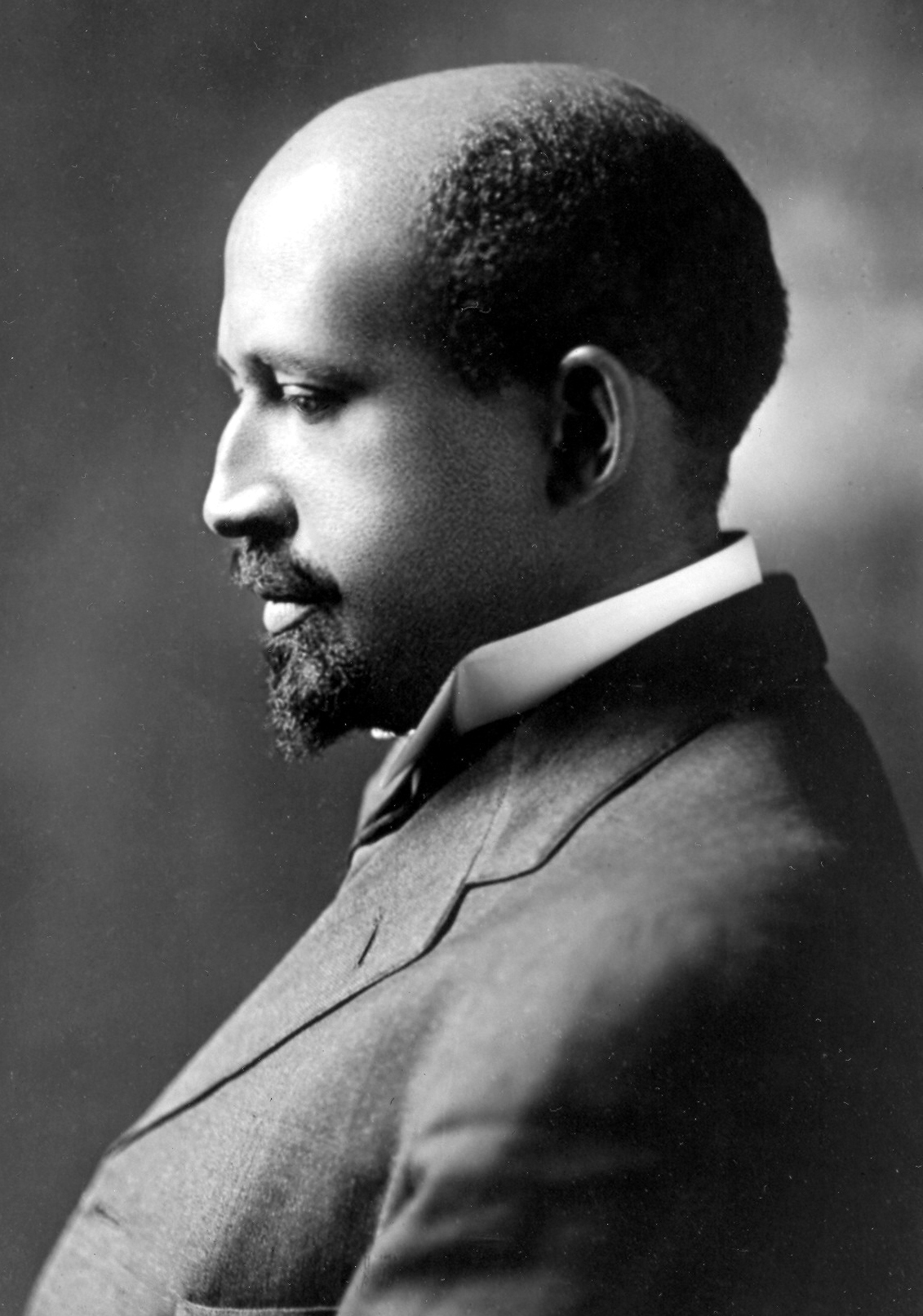
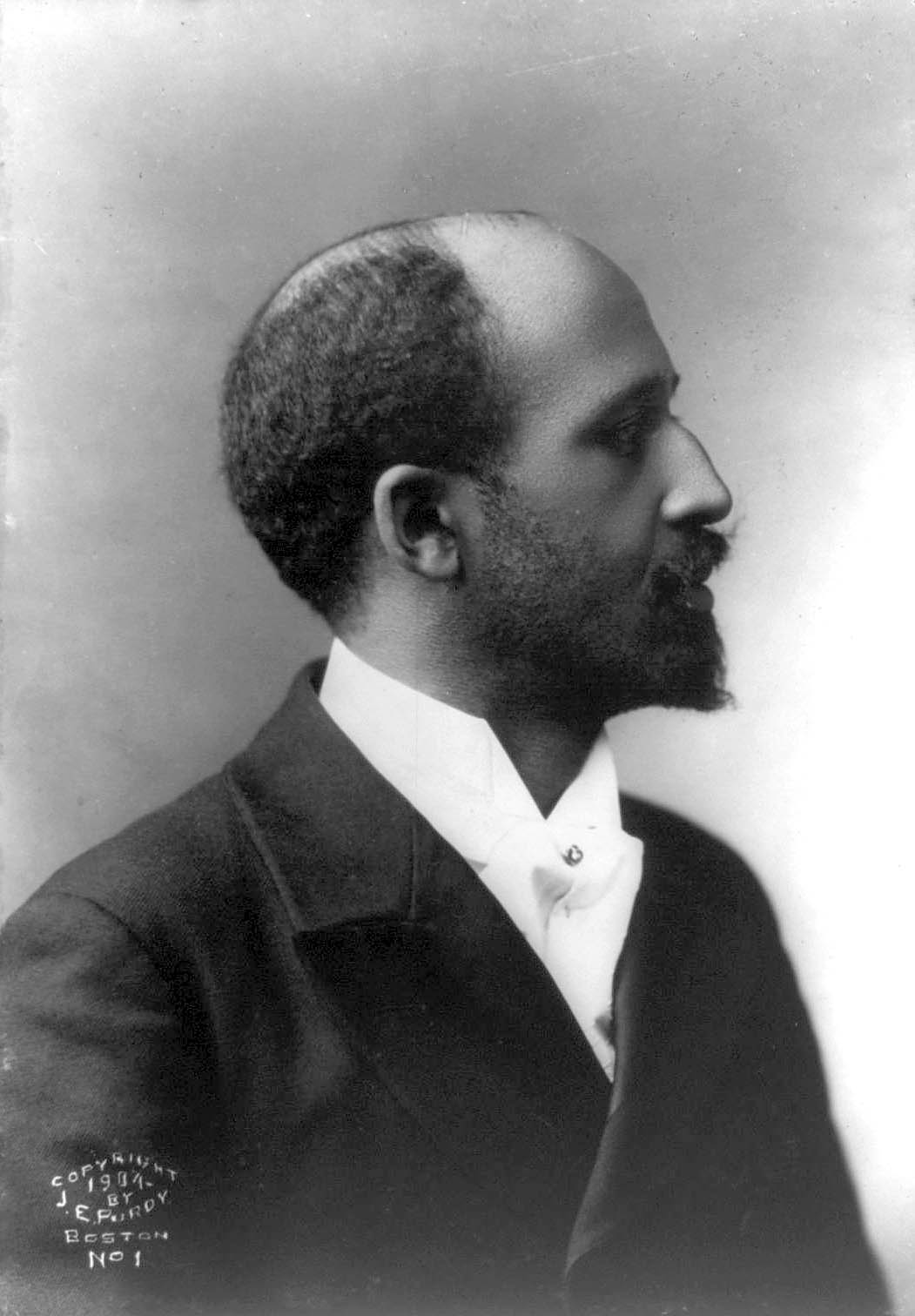
William Edward Burghardt Du Bois (1868–1963) was an American scholar, writer and public intellectual whose work shaped modern discussions of race, democracy and global black identity. A trained sociologist and historian, Du Bois combined academic research with journalism and sustained political organizing. He helped found civil‑rights organizations, edited influential publications, and was a leading voice for Pan‑African solidarity. Many summaries of his life describe him as both an American intellectual and, in his final years, a Ghanaian citizen.
Image gallery
10 Images




Early life and education
Du Bois was born in Great Barrington, Massachusetts, and grew up in a relatively integrated New England setting that shaped his early perspectives. He attended Fisk University and later enrolled at Harvard University, where he completed advanced study in history and sociology. He became the first African American to earn a doctorate from Harvard, and his training in historical methods and social science underpinned his later books and public interventions.
Ideas, methods and activism
Du Bois argued that the experience of Black Americans required both rigorous social research and direct political struggle. He coined and developed the idea often called "double consciousness" to describe how African Americans experienced a divided sense of self under racial oppression. In contrast to accommodationist approaches, he and his allies pushed for full political rights and higher education for Black citizens. Du Bois was a critic of figures such as Booker T. Washington and of policies that subordinated civil equality to vocational training. He combined scholarship with activism, editing the NAACP's journal and organizing conferences aimed at Pan‑African unity.
Major works and roles
- The Souls of Black Folk (1903) — essays blending sociology, history and personal reflection.
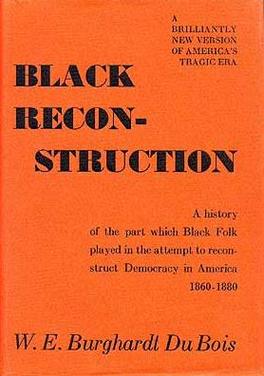
- Black Reconstruction in America — a reinterpretation of the Reconstruction era from the perspective of Black agency and labor.
- Founder and editor roles: co‑founder of the NAACP; long‑time editor of The Crisis, the association's magazine.
These works established Du Bois as a central figure in early 20th‑century social thought and provided empirical and theoretical foundations for later civil‑rights scholarship. For contemporary readers, his essays remain a key introduction to race and democracy; for organizers, his journalism and institutional work modeled how research and advocacy can be linked.
Later years, internationalism and legacy
Du Bois was active in international Pan‑African conferences and sought political connections across Africa and the Caribbean. He spent his final years engaged with leaders and students abroad; when U.S. travel and passport questions constrained him in the early 1960s he accepted an invitation to live in Accra and took up Ghanaian citizenship while maintaining ties to the United States. He lived in New York City for much of his career and later moved to Accra. Du Bois's death in 1963 was followed by international recognition and a state funeral in Ghana.
Notable distinctions and continuing influence
Du Bois's legacy is multidisciplinary: he is remembered as a pioneering sociologist, a historian who revised prevailing narratives about Reconstruction, and a political thinker who advanced ideas of racial dignity and global solidarity. His life connected local struggles for voting rights and equality to broader movements for decolonization and Pan‑Africanism. His writings continue to be taught across the humanities and social sciences and to inform debates about race, citizenship and social justice.
Further reading and resources about Du Bois's life and work are available in many scholarly and public archives; researchers often consult primary writings, collected essays and contemporary analyses to trace the development of his thought and political commitments. Du Bois's career illustrates the interplay of scholarship and activism, and his influence endures in both academic study and social movements.
Civil‑rights history and analysis and additional biographical material are available through historical collections and institutional sites that preserve his papers and publications. For local context about his birthplace see Great Barrington and for educational institutions see pages for Fisk and Harvard. More on his connections to Ghana and Accra appear through archives and commemorative sites in Accra and elsewhere.
Massachusetts, Booker T. Washington and other contemporaries remain points of comparison when studying Du Bois; his biography intersects with broader American and global histories. Scholars and readers continue to engage his work as both historical documentation and living theory.
Scholarship, citizenship, and the public record together make W. E. B. Du Bois a figure whose writings and actions still provoke discussion and inspire activism across generations.
Author
AlegsaOnline.com W. E. B. Du Bois: Scholar, Activist, and Architect of Pan‑African Thought Leandro Alegsa
URL: https://en.alegsaonline.com/art/147354