
Booker T. Washington: Educator, Leader, and Advocate for Vocational Education
Biography of Booker T. Washington (1856–1915), his life from slavery to founding Tuskegee Institute, his philosophy on education and race relations, major works, controversies, and lasting influence.
Booker Taliaferro Washington (April 5, 1856 – November 14, 1915) was a leading African American educator, author, and public figure in the United States during the late 19th and early 20th centuries. Born into slavery in Virginia, Washington rose to national prominence through his work in education and his belief in economic self-reliance for Black Americans. He is best known as the founder and long-time principal of the Tuskegee Normal and Industrial Institute, an institution that emphasized vocational training and practical skills for newly freed people.
Image gallery
10 Images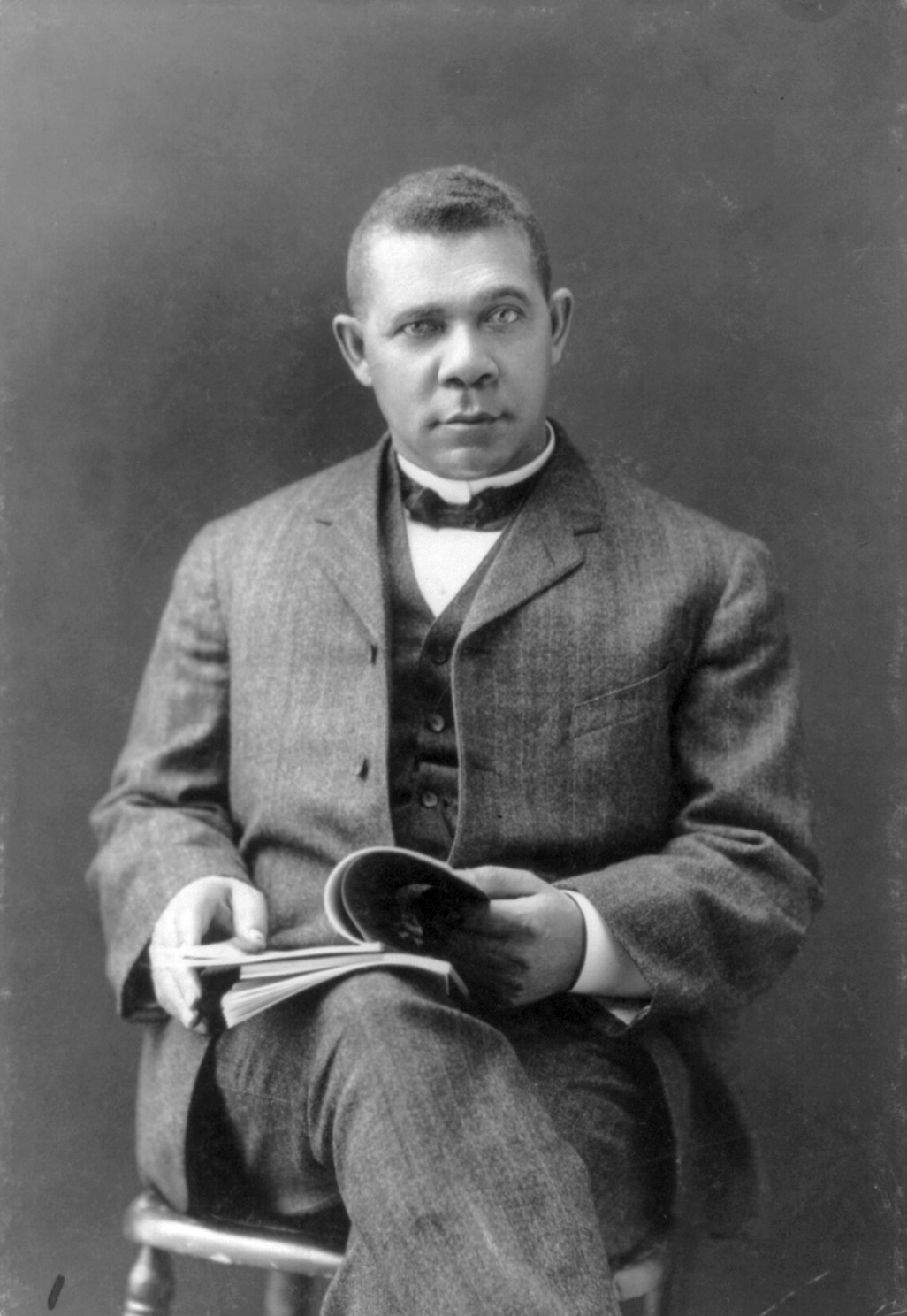


Early life and education
Washington’s childhood was shaped by the final years of slavery and the difficult transition to freedom. After emancipation his family moved and he did manual labor while seeking schooling. He later attended the Hampton Normal and Agricultural Institute, where he was influenced by the school’s focus on industrial education and moral uplift. Washington’s own experience as a student and worker shaped his conviction that practical skills and steady employment would provide the best immediate pathway to improved social standing for Black Americans.
Founding of Tuskegee and institutional work
In 1881 Washington helped establish the Tuskegee Normal and Industrial Institute in Alabama, which opened as a small school dedicated to teacher training, agriculture, and trades. Under his leadership Tuskegee grew into a model for technical education for African Americans, combining classroom instruction with hands-on work. Washington cultivated relationships with northern philanthropists and industrial leaders to secure funding and support for the school’s expansion. Tuskegee trained generations of teachers, craftsmen, and professionals and played a central role in Black education during the Jim Crow era.
Philosophy, public role, and controversy
Washington advocated what many contemporaries called an accommodationist approach: he urged African Americans to focus first on economic self-improvement, vocational learning, and entrepreneurship rather than immediate agitation for full political and civil rights. His 1895 Atlanta Exposition address, often referred to by critics as the "Atlanta Compromise," included the well-known phrase urging Black and white Southerners to "cast down your bucket" and cooperate economically. While this stance won Washington respect from many white leaders and some Black Americans, it also provoked sharp criticism from others—most notably W.E.B. Du Bois—who argued that political rights and higher education were essential and could not be postponed.
Works, influence, and public service
- Major written work: Up From Slavery (autobiography), which recounts his life and educational philosophy.
- Public engagement: Washington advised presidents and influenced national debates on race, education, and philanthropy.
- Fundraising: He successfully solicited donations from a range of supporters to build Tuskegee and related programs.
Legacy and historical assessment
Washington’s legacy is complex and widely studied. He was an effective institution builder whose emphasis on vocational education gave many African Americans stable livelihoods and leadership opportunities. At the same time, historians and activists have debated the effects of his accommodationist rhetoric on the struggle for civil rights. Today Tuskegee University remains a lasting testament to his commitment to education, and his life and writings—documented in biographies and his own books—continue to be studied for their role in American history.
For further reading on his life and writings see biographical resources, collections of his speeches and letters at archival links, material on slavery and Reconstruction that provide context at historical background, and institutional histories of Tuskegee at Tuskegee resources. These sources help illuminate both the achievements and controversies that made Booker T. Washington a central figure in the story of African American education and public life.
Author
AlegsaOnline.com Booker T. Washington: Educator, Leader, and Advocate for Vocational Education Leandro Alegsa
URL: https://en.alegsaonline.com/art/135499