
Bromine monochloride (BrCl): properties, uses, and safety
Bromine monochloride (BrCl) is a diatomic interhalogen compound used as an oxidizing and halogenating reagent. Overview of structure, preparation, applications, and precautions.
Overview
Bromine monochloride, commonly written BrCl and sometimes called bromine(I) chloride or bromochloride, is an interhalogen compound formed from bromine and chlorine. It exists as a reddish-brown molecular species and is best described as a polar covalent diatomic molecule in which bromine has a formal +1 oxidation state and chlorine a formal −1 state. For general data and supplier safety information see chemical data.
Image gallery
3 Images
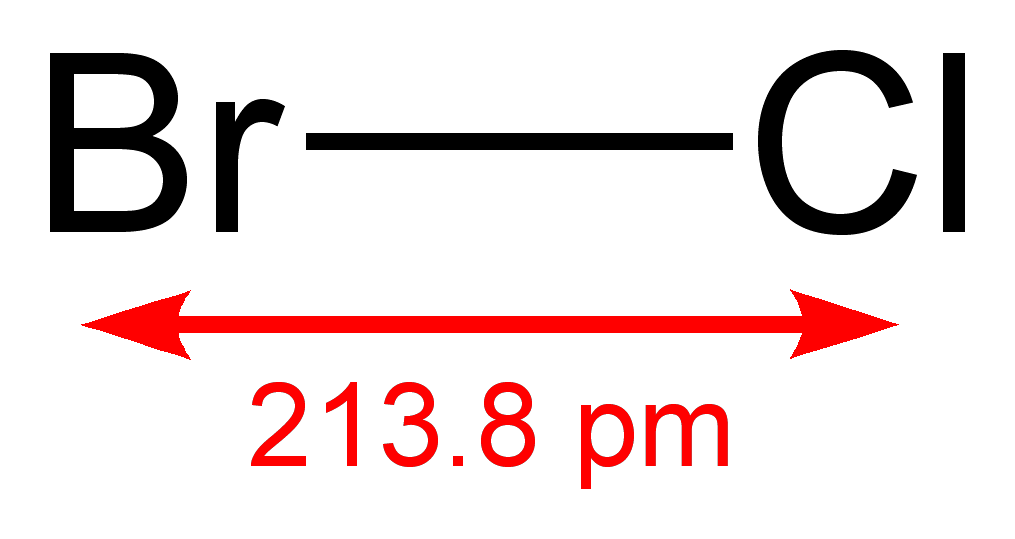

Properties and reactivity
BrCl is a reactive oxidizing and halogenating agent. It is more electrophilic than molecular bromine and often transfers halogen to organic substrates or oxidizes inorganic anions. It reacts with water and many nucleophiles and is soluble in several organic solvents; consult technical notes for solvent compatibility at product literature.
Preparation and historical notes
Historically, interhalogen compounds were characterized in the 19th and 20th centuries as chemists explored halogen chemistry. BrCl is prepared by combining elemental bromine and chlorine under controlled conditions; synthesis protocols and historical context appear in specialized texts and reviews available at reference sources.
Uses and applications
In laboratory and industrial settings BrCl is used as a brominating or chlorinating reagent and as a robust oxidant in analytical chemistry. It finds application in the controlled introduction of halogen atoms into organic molecules and as a reagent to oxidize or liberate halogens for quantification in water analysis. Practical examples and methods are discussed in analytical guides such as method summaries.
Safety, handling and environmental notes
Bromine monochloride is corrosive, an inhalation hazard, and a strong oxidizer. It must be handled in a fume hood with appropriate personal protective equipment and stored in materials compatible with oxidizers. Spills are typically neutralized with reducing agents and contained following institutional protocols; safety and disposal guidance is available from safety data providers at safety documentation.
Distinctive facts
As an interhalogen, BrCl occupies an intermediate reactivity space between chlorine and bromine. It serves as a convenient single-molecule source of a bromine electrophile and is chemically distinct from simple mixtures of Br2 and Cl2 because of its defined molecular identity and polarity.
Questions and answers
Q: What is bromine monochloride?
A: Bromine monochloride is a chemical compound which contains bromine in its +1 oxidation state and chloride ions.
Q: What is the chemical formula of bromine monochloride?
A: The chemical formula of bromine monochloride is BrCl.
Q: What are some other names for bromine monochloride?
A: Other names for bromine monochloride include bromine(I) chloride and bromochloride.
Q: What oxidation state is bromine in within bromine monochloride?
A: Bromine is in its +1 oxidation state within bromine monochloride.
Q: What ions are present in bromine monochloride?
A: Chloride ions are present in addition to bromine within bromine monochloride.
Q: What type of compound is bromine monochloride?
A: Bromine monochloride is a chemical compound.
Q: What is the significance of the name bromochloride?
A: The name bromochloride refers to the combination of bromine and chlorine present within the compound of bromine monochloride.
Related articles
Author
AlegsaOnline.com Bromine monochloride (BrCl): properties, uses, and safety Leandro Alegsa
URL: https://en.alegsaonline.com/art/14654