
Teddy Kollek: Longtime Mayor and Builder of Modern Jerusalem
Biography and legacy of Theodor “Teddy” Kollek (1911–2007), Jerusalem mayor (1965–1993), founder of the Jerusalem Foundation and a central figure in the city's postwar development.

Overview
Theodor "Teddy" Kollek (often written in Hebrew: טדי קולק) was a Hungarian-born Israeli politician and public figure best known for serving as the mayor of Jerusalem from 1965 until 1993. Elected as a member of the Israeli Labor movement, Kollek led the city through decades of expansion, cultural institution building and municipal modernization. He was re-elected five times (1969, 1973, 1978, 1983 and 1989) and narrowly lost the 1993 election to a candidate from the Likud party, Ehud Olmert, who later became Prime Minister.
Image gallery
5 Images

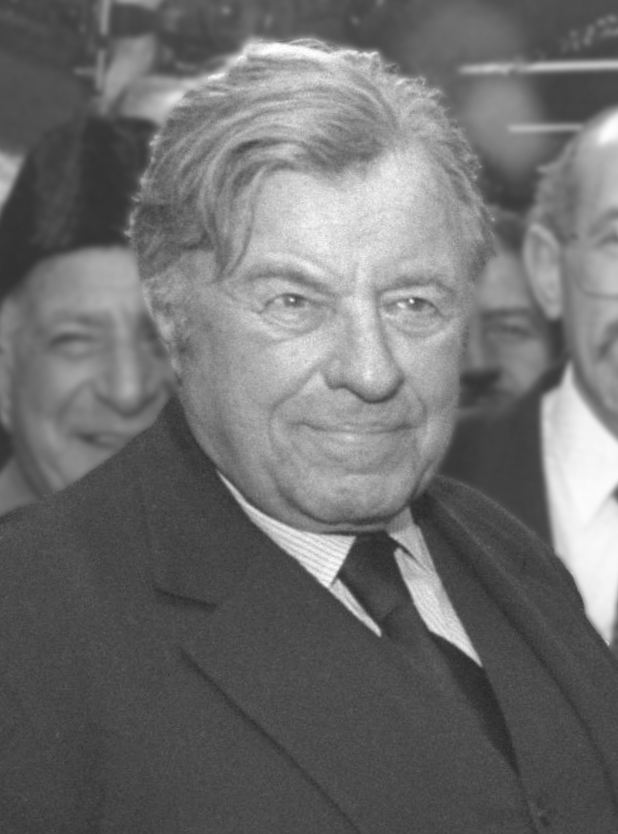


Early life and public service
Kollek was born on 27 May 1911 in Nagyvázsony in Hungary. In the 1930s, as political tensions rose in Europe, he moved with his family to Jerusalem; his arrival came shortly before the upheavals that followed Nazi expansion in neighboring countries such as Austria. Over the following decades Kollek became active in Zionist and municipal affairs, building a reputation as an administrator and advocate for cultural and civic development.
Mayoral tenure and major projects
Kollek’s long mayoralty spanned the 1967 reunification of Jerusalem after the Six-Day War and the city's subsequent integration of diverse neighborhoods and populations. He prioritized practical urban services, cultural institutions and tourism while attempting to preserve historical sites. Notable accomplishments attributed to his administration include support for museums, parks, libraries, and the expansion of municipal infrastructure. He also founded and championed the Jerusalem Foundation, a nonprofit organization designed to fund community, cultural and educational projects across the city.
Approach, challenges and style
Kollek combined pragmatic municipal management with an emphasis on cultural diplomacy, aiming to make Jerusalem a living city for residents and visitors of many backgrounds. His tenure involved negotiation between political pressures, urban planning needs and the sensitivities of religious and historical claims. Supporters credited him with transforming Jerusalem into a more modern and internationally visible capital; critics sometimes argued that political and social tensions persisted under his long leadership.
Legacy and recognition
Kollek left a visible imprint on Jerusalem’s landscape and civic life. He has been called by some observers "the greatest builder of Jerusalem since Herod" for the scale of projects initiated or supported during his mayoralty. Several municipal sites and institutions bear his name, including Teddy Stadium. After leaving office he remained an influential voice in cultural affairs. Kollek died in Jerusalem on 2 January 2007 at the age of 95.
Notable facts
- Long-serving mayor: 1965–1993, with five successful re-election campaigns.
- Founder of the Jerusalem Foundation and a key patron of museums and cultural projects.
- Governed through a formative period that included the city's reunification and rapid postwar growth.
- Born in Hungary and arrived in Jerusalem during the volatile 1930s, before the events in Austria that reshaped Europe.
For further reading on municipal developments and biographies of prominent mayors, consult municipal archives and cultural institution histories accessible through the city's official resources and the Jerusalem Foundation's publications.
Author
AlegsaOnline.com Teddy Kollek: Longtime Mayor and Builder of Modern Jerusalem Leandro Alegsa
URL: https://en.alegsaonline.com/art/146480