
Sammy Davis Jr.: Life, Career, and Cultural Legacy
Comprehensive overview of Sammy Davis Jr., the American entertainer whose singing, dancing and acting career spanned vaudeville, film, television and civil-rights-era cultural change.
Overview
Sammy Davis Jr. (1925–1990) was a multi-talented American singer, actor, dancer and entertainer whose career began in vaudeville and extended into film, television and popular music. Born in Harlem in New York City, he became one of the most visible Black performers of mid-20th-century America and a central figure in the social and cultural shifts of the era.
Image gallery
10 Images


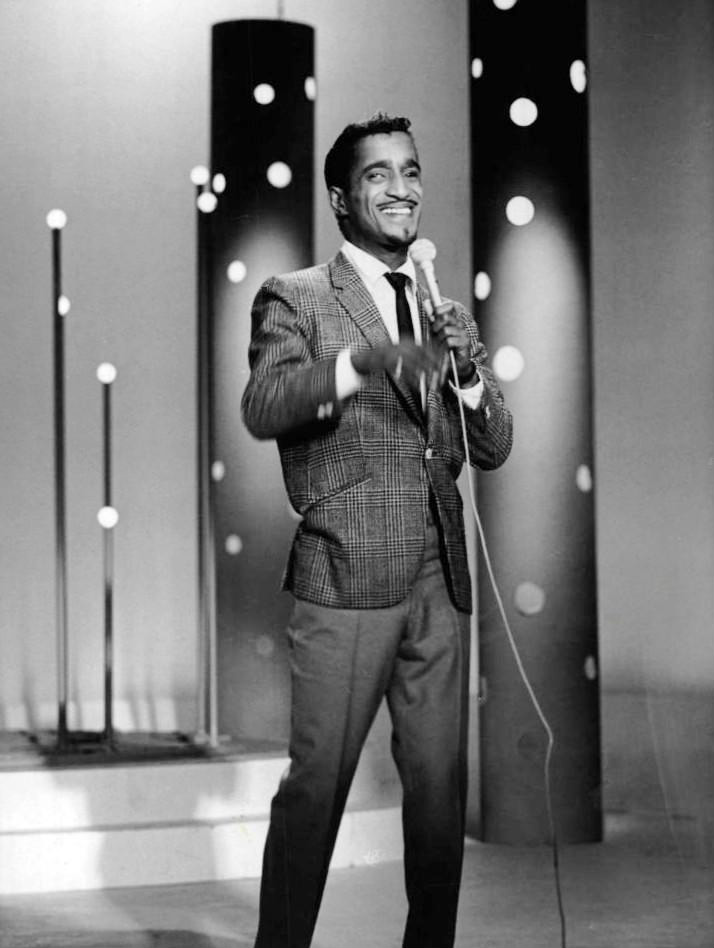


Early life and rise to prominence
Davis started performing as a child in the Will Mastin Trio and developed a wide-ranging skill set—singing, tap dancing, impressions and comedic timing—that allowed him to cross entertainment formats. He moved from stage and nightclub work to recording, movies and television, building a reputation for energetic stagecraft and versatility. His popularity helped challenge restrictions on Black performers at major venues.
Artistry and public stance
Known for quick footwork, expressive phrasing and charismatic stage presence, Davis blended jazz, pop and show tunes into his repertoire. He used his stature to take public positions on segregation: he sometimes declined to play segregated venues and helped pressure hotels and casinos to change discriminatory policies that previously let Black artists perform but not stay or gamble in the establishments. His stance related to broader civil-rights efforts and influenced other artists such as Nat King Cole.
Associations, personal life and beliefs
Davis was a prominent member of the entertainment circle nicknamed the Rat Pack, alongside figures like Frank Sinatra and Dean Martin. His personal life included a high-profile conversion to Judaism in the mid-1950s following a near-fatal car accident, and later marriages that attracted public attention. Davis also struggled with substance use—reports from his era mention heavy drinking and stimulant use such as cocaine—and with the health consequences of a demanding career.
Later career and recognition
Through the 1960s and beyond Davis continued to appear in films, television specials and live concerts, maintaining a cross-generational audience. He received major honors late in life, including recognition from the Kennedy Center in 1987. Despite ongoing health problems, he remained a prominent public figure until his death from throat cancer in Beverly Hills in 1990.
Selected works and legacy
- Notable films and TV appearances that broadened his reach and influence.
- Recordings and nightclub performances that showcased his range from jazz to pop standards.
- Public impact: helped erode segregation in entertainment venues and served as a model of artistic versatility.
Sammy Davis Jr.'s career is remembered for its artistic breadth and its cultural significance: as an entertainer who crossed racial barriers, embraced multiple media, and left a complex legacy tied to performance excellence, personal struggle and social change.
Further reading and archival material can be accessed through trusted institutional resources and curated collections: see repositories and biographies for detailed timelines, discographies and filmographies.
hotels | New York City | entertainer | singer
Author
AlegsaOnline.com Sammy Davis Jr.: Life, Career, and Cultural Legacy Leandro Alegsa
URL: https://en.alegsaonline.com/art/145344