
British Rail Class 901 — departmental conversions of Class 101 DMUs
Overview of the British Rail Class 901 designation: two former Class 101 diesel multiple units converted for departmental roles and reclassified by Network Rail in 2004.
The British Rail Class 901 name applies to two diesel multiple-unit vehicles that began life as members of the first-generation Class 101 family and were later adapted for non-revenue, departmental work. These units were reclassified from the Class 960 series in early 2004 after passing into the care of Network Rail. The change of identity reflects a shift from passenger service to specialist support tasks.
Image gallery
10 Images

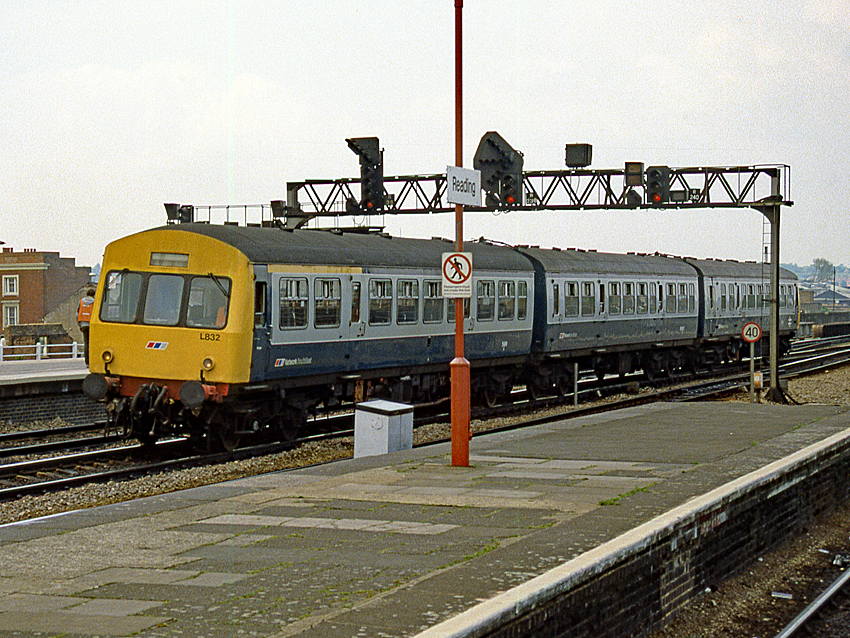


Origins and conversion
Class 101 sets were originally built as lightweight commuter DMUs in the late 1950s and became widely used across regional networks. A small number were withdrawn from passenger duty but retained for utility roles. Converted vehicles typically keep their basic diesel traction and bodies but are fitted internally and electrically for measurement, staff training, route learning or other engineering duties.
Typical characteristics and equipment
- Basic mechanical layout inherited from the parent diesel multiple unit design, including underframe engines and hydraulic or mechanical transmissions.
- Internal modifications for instrumentation, office space or crew seating instead of standard passenger fittings.
- Distinctive departmental livery and numbering under the TOPS classification; previously recorded as Class 960 before reclassification.
Departmental units like these are practical for route inspection, track and signalling trials, and staff route-learning because they are cheaper to operate than dedicated test trains and can run on normal timetables when required. They also demonstrate a reuse strategy that extended the usefulness of older rolling stock.
For background on the original units and broader context see contemporary references and fleet histories maintained by rail organizations and preservation groups. Further details and fleet lists are available from archival sources and the infrastructure owner: source and Network Rail.
Related material and technical summaries of departmental classifications are covered in specialist publications and enthusiast sites, which document changes to individual vehicles over time and note that several former Class 101 vehicles entered preservation after withdrawal from revenue service. See also general notes on departmental and experimental units in the TOPS 9xx bands (classification).
If you need a concise fleet status or preservation list for the two Class 901 units, consult dedicated vehicle registers and archives that track reclassifications and ownership transfers: DMU profiles, Class 101 histories and archival records.
Related articles
Author
AlegsaOnline.com British Rail Class 901 — departmental conversions of Class 101 DMUs Leandro Alegsa
URL: https://en.alegsaonline.com/art/14511