
British Rail Class 93 (planned electric locomotive for InterCity 250)
Planned electric locomotive type for British Rail's InterCity 250 on the West Coast Main Line. Proposed in 1991, capable of 155 mph and intended to work with new Mark 5 coaches; cancelled in 1992.
Overview
The British Rail Class 93 was a traction classification assigned to a proposed family of electric locomotives intended for the InterCity 250 programme. The scheme aimed to modernize high-speed services on the West Coast Main Line and would have paired these locomotives with new coaching stock to offer faster long-distance journeys. No Class 93 locomotives were ever built; the project was cancelled before contracts were placed.
Image gallery
3 Images

Design intent and characteristics
The Class 93 concept was to adapt lessons from the earlier Class 91 locomotives, which had been introduced on the East Coast Main Line. Designers envisaged a modern electric locomotive capable of sustained speeds up to 155 mph (250 km/h) operating with a formation similar to the InterCity 225 sets: a locomotive at one end, up to nine Mark 5 coaches, and a driving van trailer (DVT) at the other end.
Key intended features included:
- High-speed capability (targeted 155 mph) for intercity services.
- Compatibility with new Mark 5 coaching stock and DVT control arrangements.
- Layout and technology broadly derived from the Class 91 lineage, including compact high-speed electrical running gear and modern cab ergonomics.
Programme timeline and cancellation
Tenders for the locomotives and rolling stock were issued in March 1991, with an anticipated entry into service around 1995. Early planning assumed an initial requirement of up to 30 complete trainsets and an estimated project cost in the region of £380 million. The InterCity 250 scheme — and therefore the Class 93 orders — was cancelled in 1992 amid shifts in funding priorities and changing strategic decisions for British Rail. As a result, no production orders or prototype locomotives were constructed.
Legacy and context
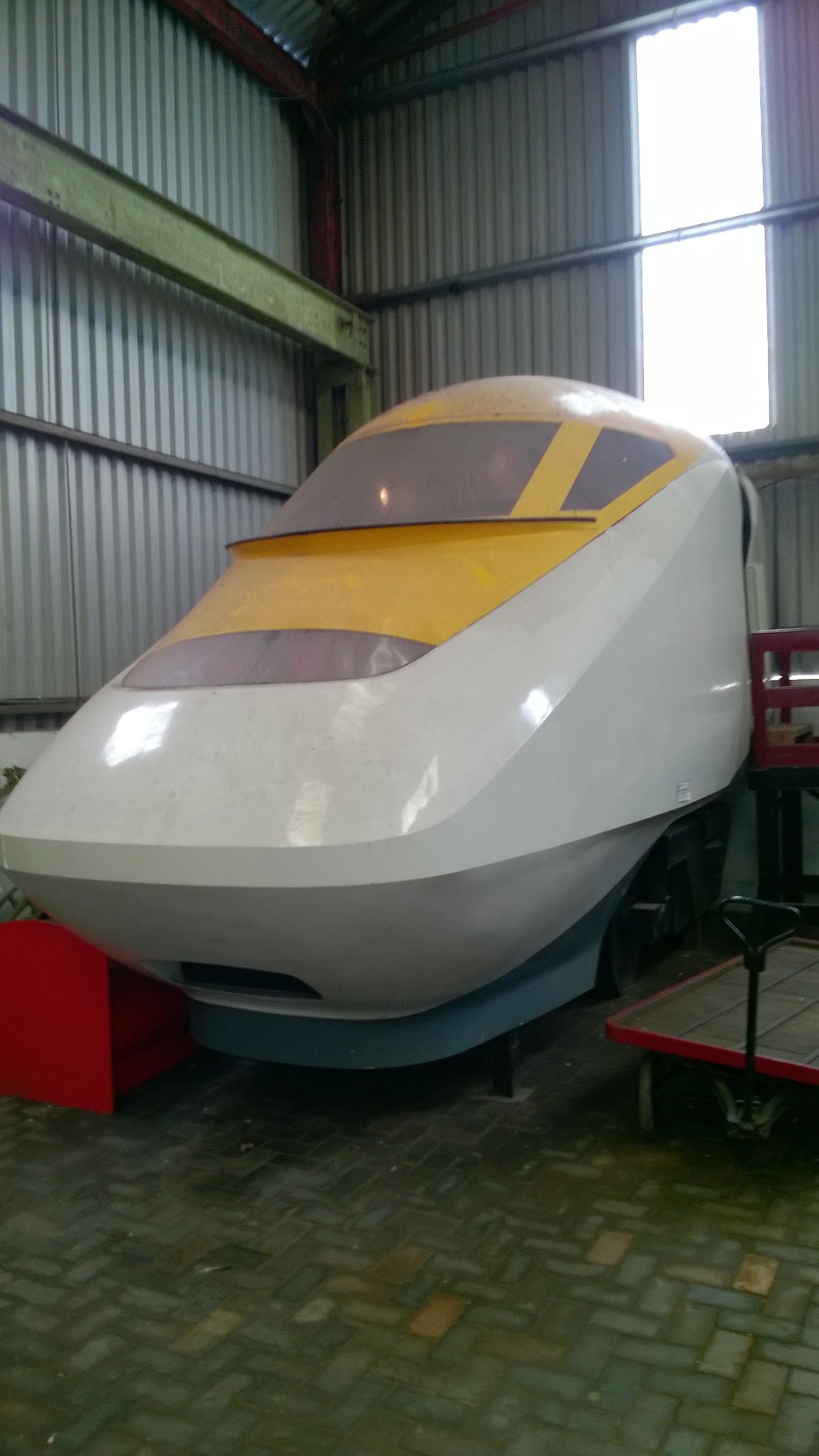
Although the Class 93 never progressed beyond design studies and publicity material, the InterCity 250 proposal influenced later debates about how best to increase speeds and capacity on core intercity routes. Subsequent West Coast Main Line upgrades followed different technical and operational approaches, including new tilting electric multiple units and route modernisation in later decades. Surviving documents and artwork provide the primary record of what the class might have been; an archived mock-up of a proposed cab layout is preserved in photographic and design archives here.
Notable facts and distinctions
- The designation "Class 93" was allocated but never used for built locomotives under British Rail's TOPS classification because the project was cancelled before production.
- Its planned role — locomotive-hauled high-speed trains with a DVT and new coaching stock — mirrored the operational philosophy of InterCity 225 sets, though targeted at higher speeds on the West Coast route.
- All formal tendering activity for the project took place in 1991; cancellation followed in 1992, so the programme had a brief official lifespan.
For more background on the wider programme and the route it was intended to serve, see material on the InterCity 250 project and historical accounts of improvements to the West Coast Main Line.
Related articles
Author
AlegsaOnline.com British Rail Class 93 (planned electric locomotive for InterCity 250) Leandro Alegsa
URL: https://en.alegsaonline.com/art/14515