
British Rail Class 101
First-generation diesel multiple units built by Metro-Cammell for British Rail between 1956–1959; long-lived, widely used on regional and branch services and now represented on heritage lines.
The British Rail Class 101 diesel multiple units were manufactured by Metro-Cammell at the Washwood Heath works in Birmingham between 1956 and 1959. Introduced after a series of prototype DMUs, the Class 101 became one of the most numerous and enduring types in British Rail's first generation of diesel multiple units. Their reputation for straightforward construction and ease of maintenance helped them remain in regular passenger service long after many contemporaries had been withdrawn.
Image gallery
10 Images

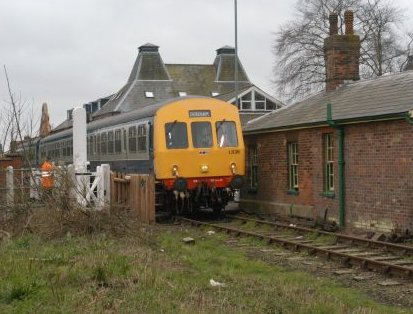

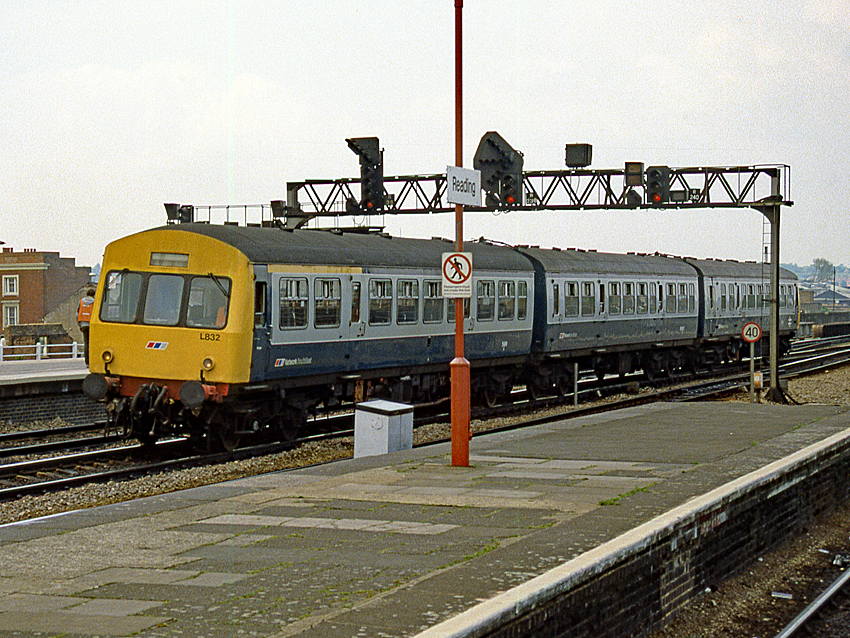


Design and characteristics
Class 101 sets were built with a simple, robust layout intended for regional, suburban and branch-line duties. Typical formations included two- and three-car sets made up of driving motor and driving trailer vehicles, which allowed flexible coupling and operation. Interiors were plain but practical, and many sets were refurbished during their careers to provide improved seating and interior fittings.
- Manufacturer: Metro-Cammell, Washwood Heath (manufacturer).
- Construction years: 1956–1959; preceded by early prototype units (prototype series).
- Role: regional, suburban and branch-line passenger services.
Service history
The Class 101 proved highly versatile, operating across many regions of the British Rail network. Their simple mechanical systems and conservative engineering made them reliable in daily service and comparatively easy to overhaul at depot level. This durability contributed to an exceptionally long service life for a first-generation DMU type; the last units were withdrawn from regular service on 24 December 2003, by which time the oldest sets were over 47 years old. For a concise summary of their operational life and withdrawal details, see withdrawal notes.
During their service lives, Class 101s were adapted to many local requirements and occasionally converted for departmental uses. They were a familiar sight on short-distance routes where their frequent stopping capability and simple controls were advantageous. Regional railway staff and passengers often recall them for their characteristic appearance and longevity.
Preservation and legacy
After withdrawal from mainline service, many Class 101 vehicles were preserved on heritage railways and by enthusiast groups. These preserved examples allow the public to experience early post-war DMU operation and provide a working record of mid-20th century multiple-unit design. Enthusiast and preservation societies maintain technical records, restoration efforts and public events — see a selection of groups and resources at preservation resources and heritage group listings. Further historical context and broader comparisons with other first-generation DMUs are available via background references at manufacturer histories and technical overviews at prototype and development.
Notable aspects of the Class 101 story include their role in post-war railway modernization, their widespread regional use, and their status as the longest-lived of British Rail's early DMU classes. The preservation movement continues to celebrate the Class 101 through operational restorations, static displays and educational projects that highlight this significant period in UK rail transport history.
Related articles
Author
AlegsaOnline.com British Rail Class 101 Leandro Alegsa
URL: https://en.alegsaonline.com/art/14309