
Rivers State, Nigeria
Rivers State is a coastal state in southern Nigeria centered on Port Harcourt; a major petroleum hub with diverse ethnic communities, complex waterways, and significant environmental and economic roles.
Overview
Rivers State is one of the federated states in Nigeria. According to the 2006 census the state recorded a population of about 5,185,400, making it among the more populous states in the country. The capital and largest city is Port Harcourt, often identified as the administrative and commercial centre of the state and a focal point of Nigeria's urban life and the national petroleum industry.
Image gallery
7 Images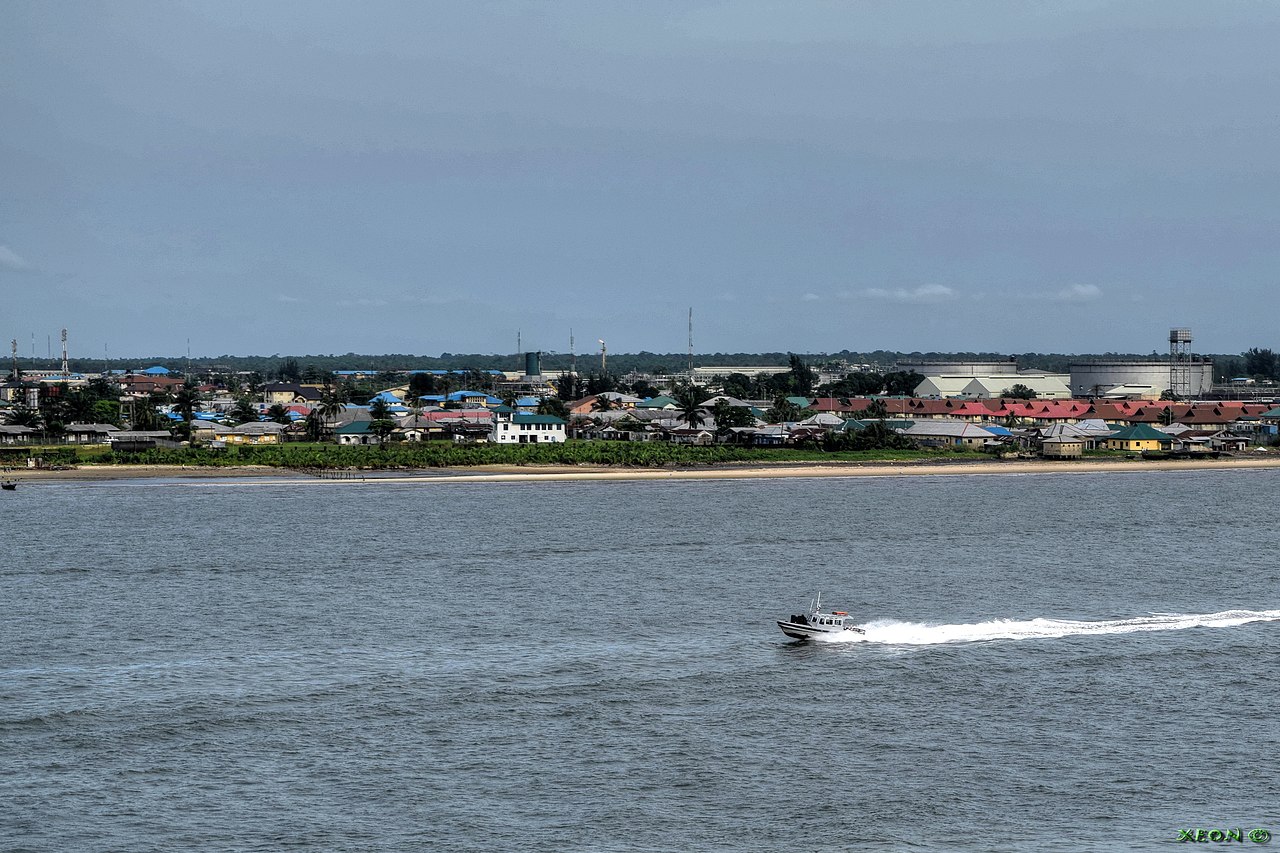


Geography and borders
Rivers State lies in the Niger Delta region of southern Nigeria. It has an extensive river and estuary network that drains into the Atlantic and shapes the local landscape. To the south the state meets the coast and the Gulf of Guinea and open waters of the Atlantic Ocean. Its northern neighbours include states such as Imo, Abia and Anambra, while to the east it borders Akwa Ibom and to the west it adjoins Bayelsa and Delta states. The coastal and riverine terrain supports mangrove forests, creeks and numerous waterways used for transport and fishing.
History and development
Rivers State emerged as a separate entity during the later 20th century administrative reorganisations of Nigeria. Its growth accelerated with the discovery and commercial development of oil and gas in the Niger Delta, which brought infrastructural expansion, population inflows to Port Harcourt and surrounding towns, and significant revenue-generating activities. This oil-based development has shaped both the state's economy and its political importance at the national level.
People, language and culture
The population of Rivers State is ethnically diverse. Major indigenous groups include:
- Ikwerre
- Ijaw
- Etche
- Ogba/Egbema
- Ogoni
These communities contribute distinct languages, traditional institutions and cultural festivals. The state contains both urban, densely populated centres and rural riverine settlements where fishing, small-scale farming and local trade remain important. Many aspects of social life are influenced by the waterways that connect communities.
Economy, administration and issues
Rivers State is widely recognized as a centre of Nigeria's oil and gas sector, with related industries, services and port facilities clustered around Port Harcourt and other towns. Government at state and local levels administers services across a mix of urban and rural areas. Alongside economic importance, the state faces environmental and social challenges linked to oil extraction, pollution of mangroves and waterways, and the need to balance development with local livelihoods and conservation.
Notable facts and further reading
Port Harcourt's role as a regional hub, the state's complex riverine geography and its diverse peoples make Rivers State a key part of southern Nigeria's cultural and economic landscape. For demographic details, administrative structures and contemporary reports consult official census documents and regional studies; for cultural introductions seek materials on the region's ethnic groups and festivals, and for environmental issues look into research on the Niger Delta's mangroves and waterways. Additional resources and official pages are available through regional and national portals and publications.
Indigenous peoples are central to the state's identity and ongoing development conversations.
Author
AlegsaOnline.com Rivers State, Nigeria Leandro Alegsa
URL: https://en.alegsaonline.com/art/144894