
British Rail Class 373 (Eurostar TGV-TMST)
The Class 373 (TGV-TMST) is the original Eurostar high‑speed multiple unit built from TGV technology to operate international services through the Channel Tunnel between Britain, France and Belgium.
Overview
The British Rail Class 373, commonly known as the TGV‑TMST (TransManche Super Train), is the original Eurostar high‑speed electric multiple unit developed to operate international passenger services through the Channel Tunnel. Derived from the French TGV family, the design was adapted in the early 1990s to meet the restrictive British loading gauge and the specific safety and operational requirements of cross‑border operation between Britain, France and Belgium. These trainsets quickly became the backbone of Eurostar services linking major cities on high‑speed corridors.
Image gallery
10 Images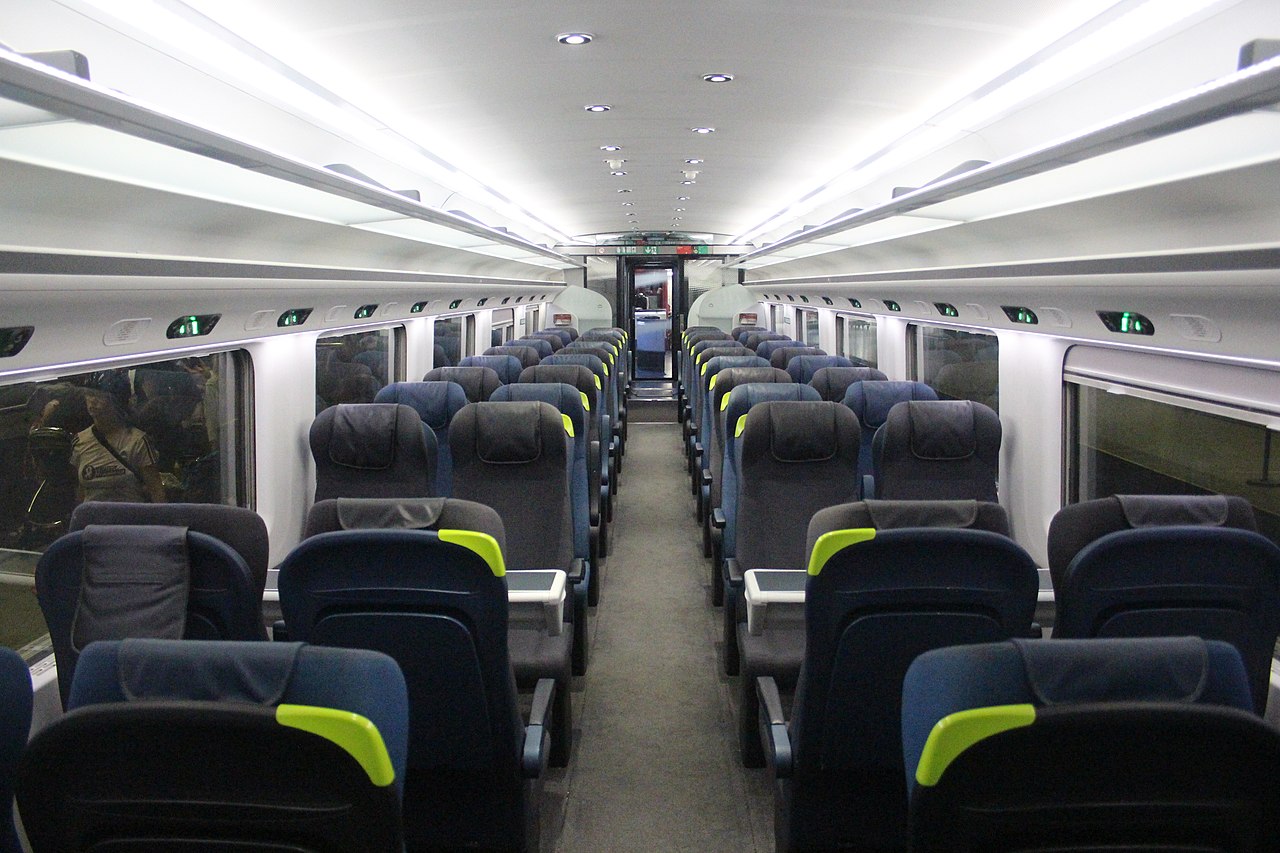


Design and technical features
Class 373 trainsets are articulated, long‑formation electric multiple units designed for sustained high‑speed running. They were built by GEC‑Alsthom (now Alstom) to a specification that combined proven TGV technical concepts with adaptations for international operation. Notable features include multi‑system electrical equipment to work under different national voltages and signalling regimes, a reduced cross‑section to fit the UK route clearance, and structural crash protection consistent with international passenger‑train practice. In full formation a Class 373 is one of the longest passenger trainsets to have operated in the UK, and it was cleared for regular commercial running at high speeds on dedicated high‑speed lines.
Electrification and power collections
To operate across national boundaries the units were equipped for multiple electrification systems and compatible signalling equipment. Early in their career some sets were fitted to collect power from the UK third‑rail system so they could access terminals that at the time lacked overhead electrification, while primarily being intended for overhead line operation at high speed. The multi‑system capability is typical of international rolling stock and was essential for through services that crossed different national networks.
Safety and Channel Tunnel adaptations
Because Class 373 units were intended to run through the Channel Tunnel, they incorporated enhanced fire protection, compartmentation and emergency systems. Materials, escape routes and communication equipment were selected to limit fire risk and to comply with tunnel safety rules. The trains also include systems to assist evacuation and to remain operationally compatible with tunnel emergency procedures. These adaptations reflect the specialist nature of stock used on tunnel‑linked international services.
Operation and route use
Eurostar used Class 373 sets on international services connecting London with Paris and Brussels and on other routes where compatible infrastructure existed. In the UK these trains operated into major terminals and later used newly built high‑speed links to improve journey times. Their ability to run at sustained high speed on dedicated lines, while remaining compatible with conventional track where necessary, made them flexible for the mixed network environment of international rail travel.
Replacement, withdrawal and legacy
From the mid‑2010s Eurostar introduced a new generation of trainsets and gradually replaced many Class 373 units in scheduled service. The newer equipment offers updated signalling compatibility, higher seating capacity arrangements and refreshed interiors, while the Class 373s remain notable for their role in establishing through services between the UK and continental Europe. Over time some units were withdrawn, stored or repainted; a number have been retained for spare parts or short‑term operational need. The Class 373s also had a visible cultural presence as the physical link for international travellers between Britain and mainland Europe.
Liveries, preservation and study
Throughout their service life the units carried several liveries reflecting operator identity and corporate rebranding. A small number of withdrawn vehicles and components have been of interest to museums and heritage groups studying late 20th‑century high‑speed rail. Technical studies of the Class 373 illustrate how established high‑speed technology is adapted for cross‑border operation, multi‑voltage electrification and tunnel safety considerations.
- Part of the wider TGV family, modified for UK loading gauge and tunnel operation.
- Equipped for multi‑system power collection and, in early years, configured to work with the third‑rail where needed.
- Incorporated significant fire safety and evacuation features for tunnel running.
- Introduced to enable regular high‑speed passenger services through the Channel Tunnel and between Britain, France and Belgium.
For technical background on rolling stock concepts and cross‑border railway practice see general resources on rolling stock and high‑speed rail. Historical material about the UK rail industry context is available under British Rail archives and contemporary operator publications. Further operator and safety documentation is maintained by Eurostar and relevant national authorities for passenger information and regulatory matters (Eurostar).
Related articles
Author
AlegsaOnline.com British Rail Class 373 (Eurostar TGV-TMST) Leandro Alegsa
URL: https://en.alegsaonline.com/art/14423