
Paik Sun-yup — South Korean military leader (1920–2020)
Paik Sun-yup was a leading South Korean general, a senior commander in the Korean War, and later a public official and diplomat. His career was influential and sometimes controversial, and he died in Seoul at age 99.
Paik Sun-yup (Korean name: 백선엽; Hanja: 白善燁, born November 23, 1920 – died July 10, 2020) was a prominent South Korean military officer, politician and diplomat. He is widely remembered for his leadership during the 1950–53 Korean War and for occupying senior positions in South Korea's armed forces and government in the decades that followed. His long life and career made him a central figure in modern Korean history.
Image gallery
10 Images
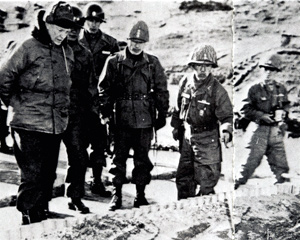
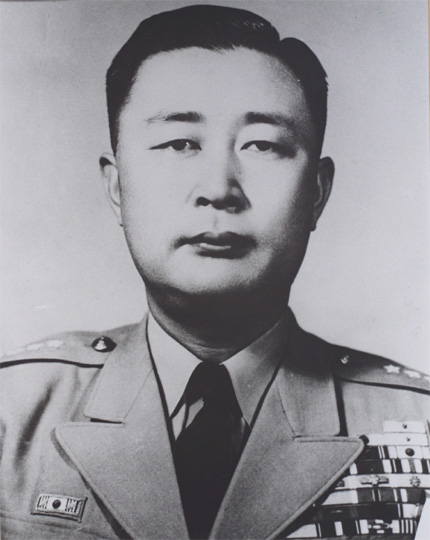


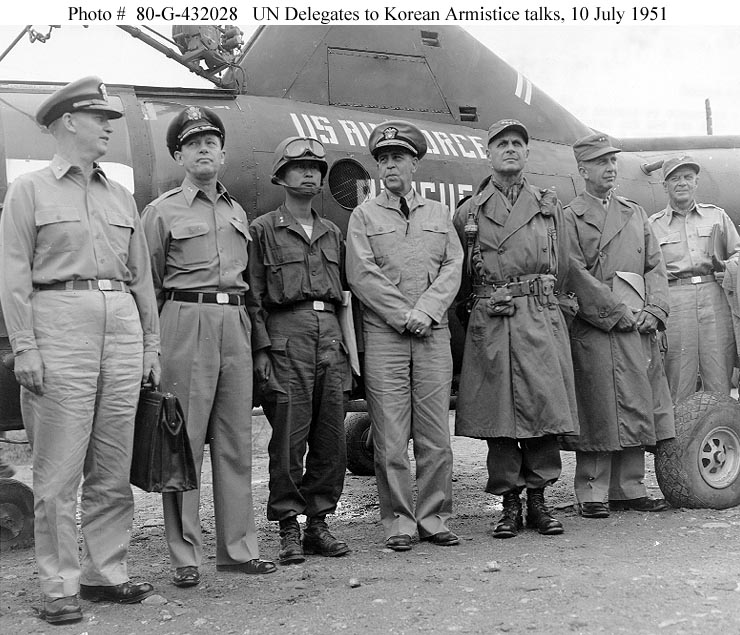


Early life and military career
Paik trained and served in military units before the establishment of the Republic of Korea. Accounts note that his early service included participation in forces that operated under Japanese influence during the colonial era; this aspect of his background later attracted historical scrutiny. After Korea's liberation, Paik rose rapidly through the ranks of the new South Korean army, becoming one of its highest-ranking officers.
Role in the Korean War
During the Korean War, Paik held senior command responsibilities and was recognized as a key army leader who helped organize and coordinate ground operations on behalf of South Korea and allied forces. His decisions and conduct in battle contributed to the defense and stabilization efforts that followed the initial invasions and counteroffensives. The conflict itself is commonly referenced as the Korean War.
Later public service
Following active military duty, Paik served in several public posts and took on diplomatic assignments. He acted in roles that blended military experience with statecraft, representing South Korea abroad and advising civilian leaders at home. Sources identify him broadly as a soldier, a politician and diplomat, and a veteran public figure who remained engaged in national affairs for many years.
Legacy, honors and controversy
- Legacy: Paik is often described as one of South Korea's most influential military commanders of the mid-20th century, and he received national recognition for his service.
- Controversy: Historians and public commentators have debated his early wartime affiliations and the complexities of serving under colonial-era structures; these subjects continue to be discussed in Korean historical assessments (early service).
- Later life and death: Paik lived to an advanced age and died in Seoul on July 10, 2020; reports note his passing in the South Korean capital (Seoul).
For readers seeking additional reference material and primary documents, consult military biographies, histories of the Korean War, and collections of postwar diplomatic records. Further institutional summaries and archival material are available through related official and scholarly resources (Korean name, Hanja, Korean War).
Author
AlegsaOnline.com Paik Sun-yup — South Korean military leader (1920–2020) Leandro Alegsa
URL: https://en.alegsaonline.com/art/143850