
P. V. Narasimha Rao — Ninth Prime Minister of India (1991–1996)
Pamulaparti Venkata Narasimha Rao (1921–2004) was an Indian lawyer, scholar and politician who served as Prime Minister from 1991 to 1996 and led landmark economic reforms.
Pamulaparti Venkata Narasimha Rao was an Indian statesman and intellectual who served as the ninth Prime Minister of India from 1991 to 1996. Born on 28 June 1921 in Vangara, Hyderabad State in British India, he combined legal training and literary interests with a long career in public service. He died on 23 December 2004 of a heart attack in New Delhi.
Image gallery
10 Images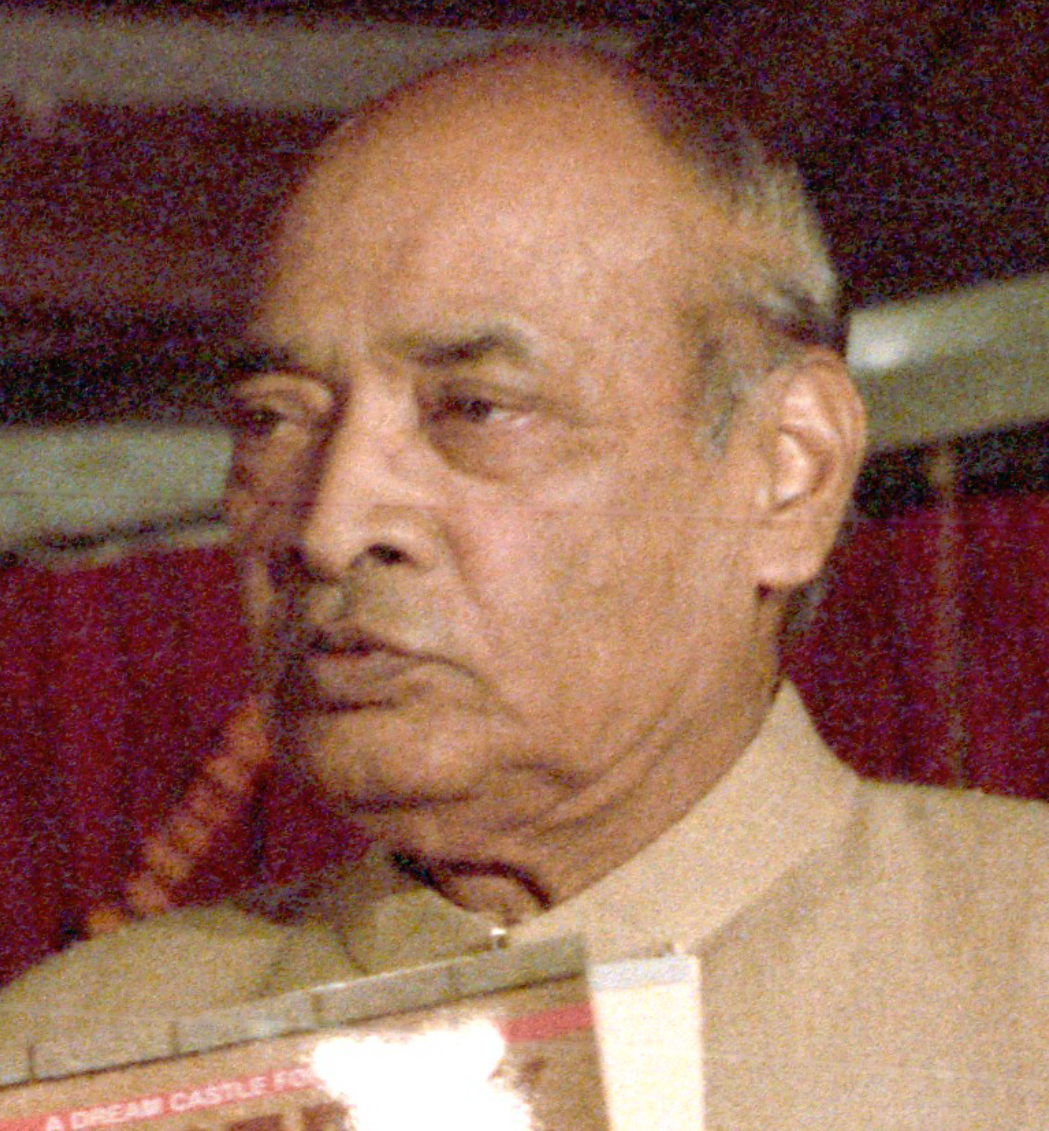


Early life and background
Rao trained in law and entered public life after completing his studies. He was widely regarded as an erudite figure who knew several languages and wrote on history and literature. His roots in what is now Telangana connected him to regional politics while his outlook remained national in scope. He is often described both as a lawyer by profession and as a dedicated public servant and politician.
Political career and leadership
Before becoming prime minister, Rao held many ministerial posts in central government and served as Chief Minister of Andhra Pradesh. He led a Congress-led administration at a time of economic crisis and political fragmentation. His five-year tenure was marked by pragmatic policymaking, efforts to stabilize the economy, and a move away from strictly state-led development models toward greater market orientation across India.
Economic reforms and policies
Rao’s government initiated a broad program of economic liberalization intended to open the economy to private investment, reduce licensing controls and encourage foreign capital. The program included fiscal and trade measures, deregulation of industry, and steps to modernize the financial system. These changes are widely credited with setting India on a path of higher growth and global integration, although they also provoked debate about social consequences and the pace of reform.
Challenges and controversies
Rao governed during a turbulent period that included communal tensions and political scandals. His administration faced strong opposition in parliament and a complex coalition environment. Allegations and legal actions emerged around the time he left office; several matters were litigated and discussed publicly, reflecting the contentious politics of the era.
Legacy and significance
Rao is remembered as a transitional figure who presided over a fundamental reorientation of economic policy. He combined scholarship and statesmanship, leaving behind writings and translations as well as a record of institutional changes. Historians and economists continue to assess the long-term effects of the reforms launched during his premiership.
Notable initiatives
- Market-oriented economic reforms and liberalization measures.
- Administrative efforts to stabilize national finances and attract investment.
- Diplomatic engagement that pursued pragmatic relations with global partners.
Author
AlegsaOnline.com P. V. Narasimha Rao — Ninth Prime Minister of India (1991–1996) Leandro Alegsa
URL: https://en.alegsaonline.com/art/143839