
British Rail Class 153 'Sprinter' single-car DMU
Single-car diesel multiple unit converted in the early 1990s for rural and branch services, created by splitting two-car sets to form independent railcars for regional UK routes.
Overview
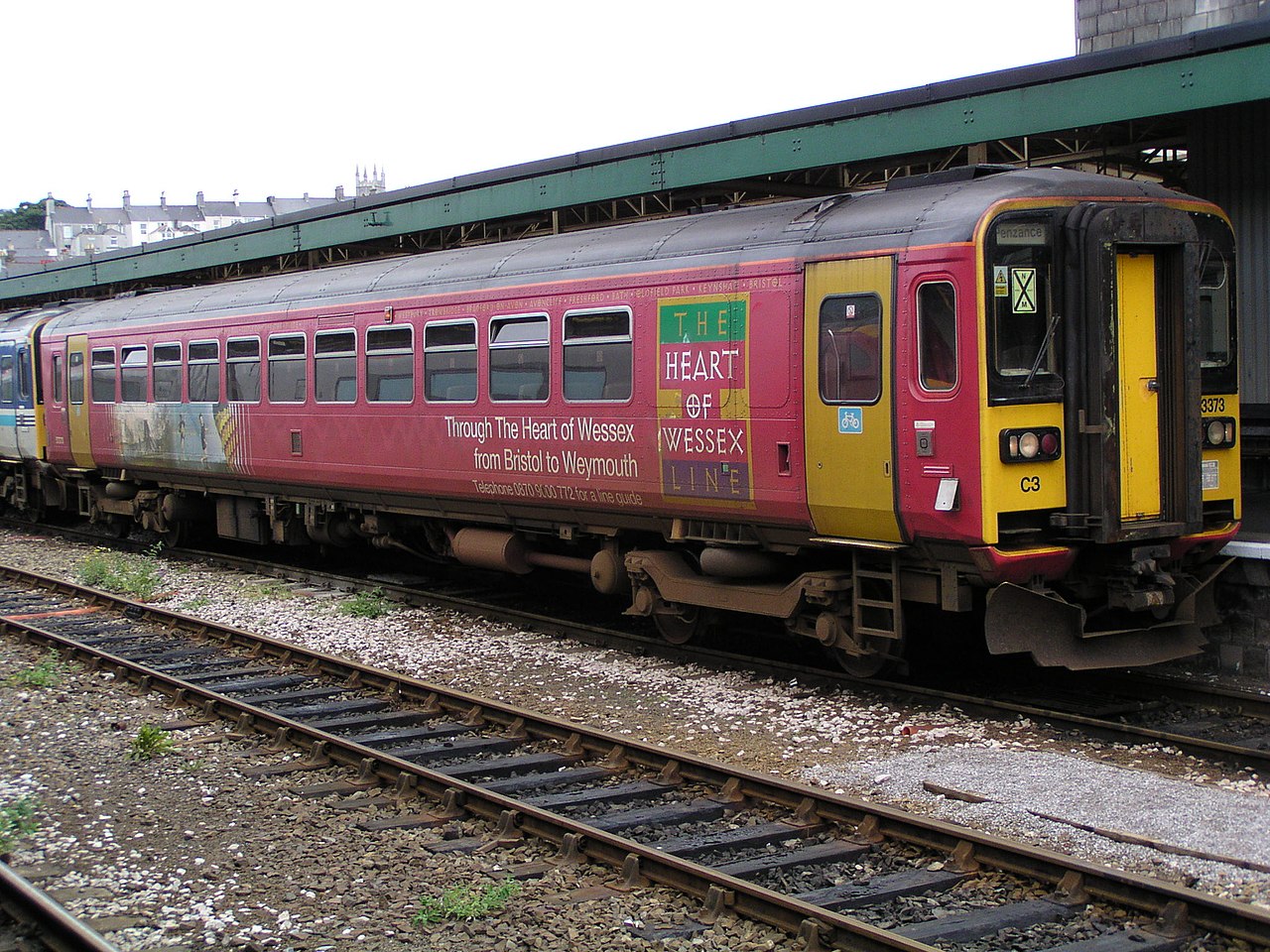
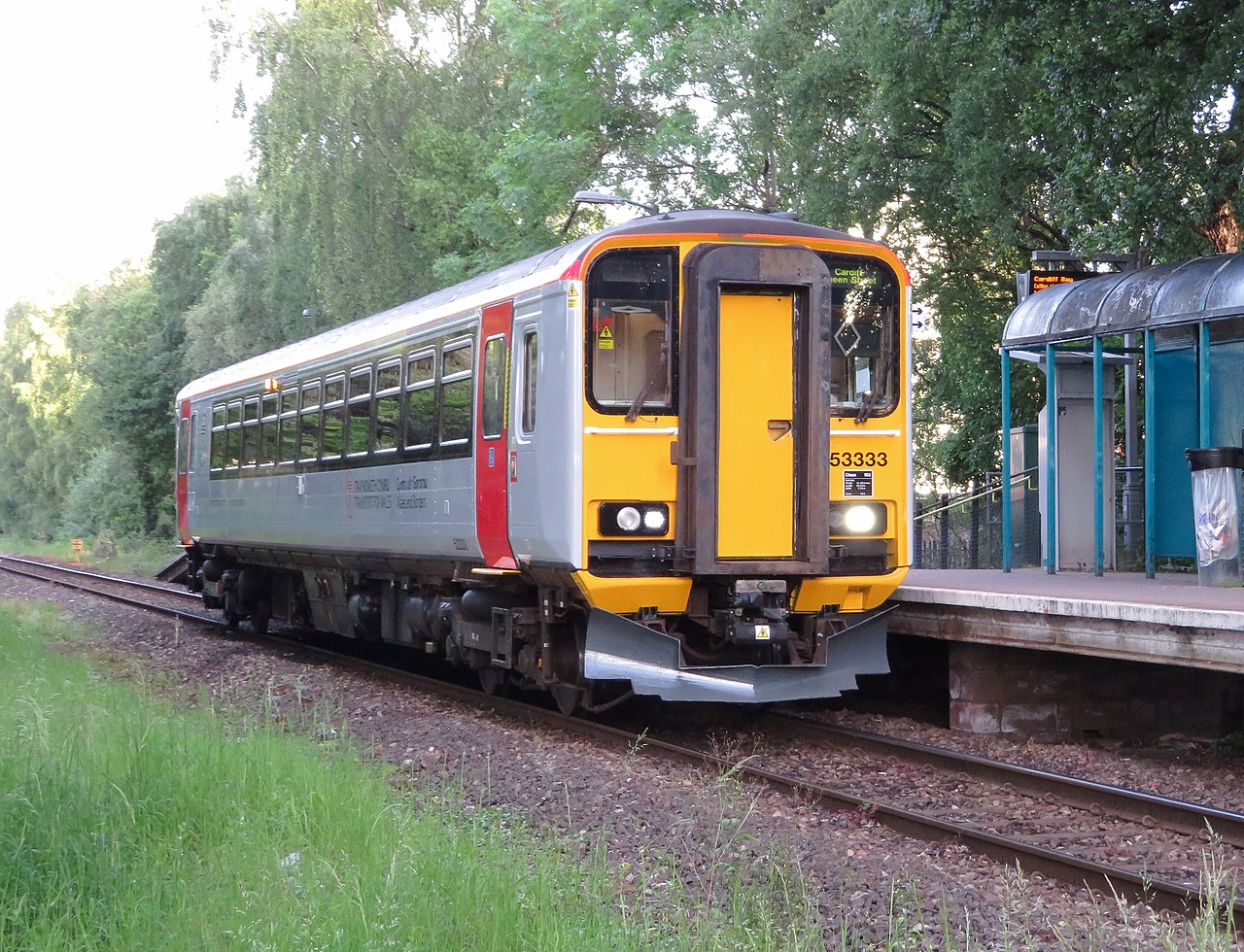
The British Rail Class 153 is a single-car diesel multiple unit (DMU) belonging to the family often referred to as the "Sprinter" units. Built by converting existing two‑car sets into one‑car railcars in the early 1990s, these units were intended to provide economical, flexible service on lightly used regional and branch lines where two-car trains were uneconomic.
Image gallery
10 Images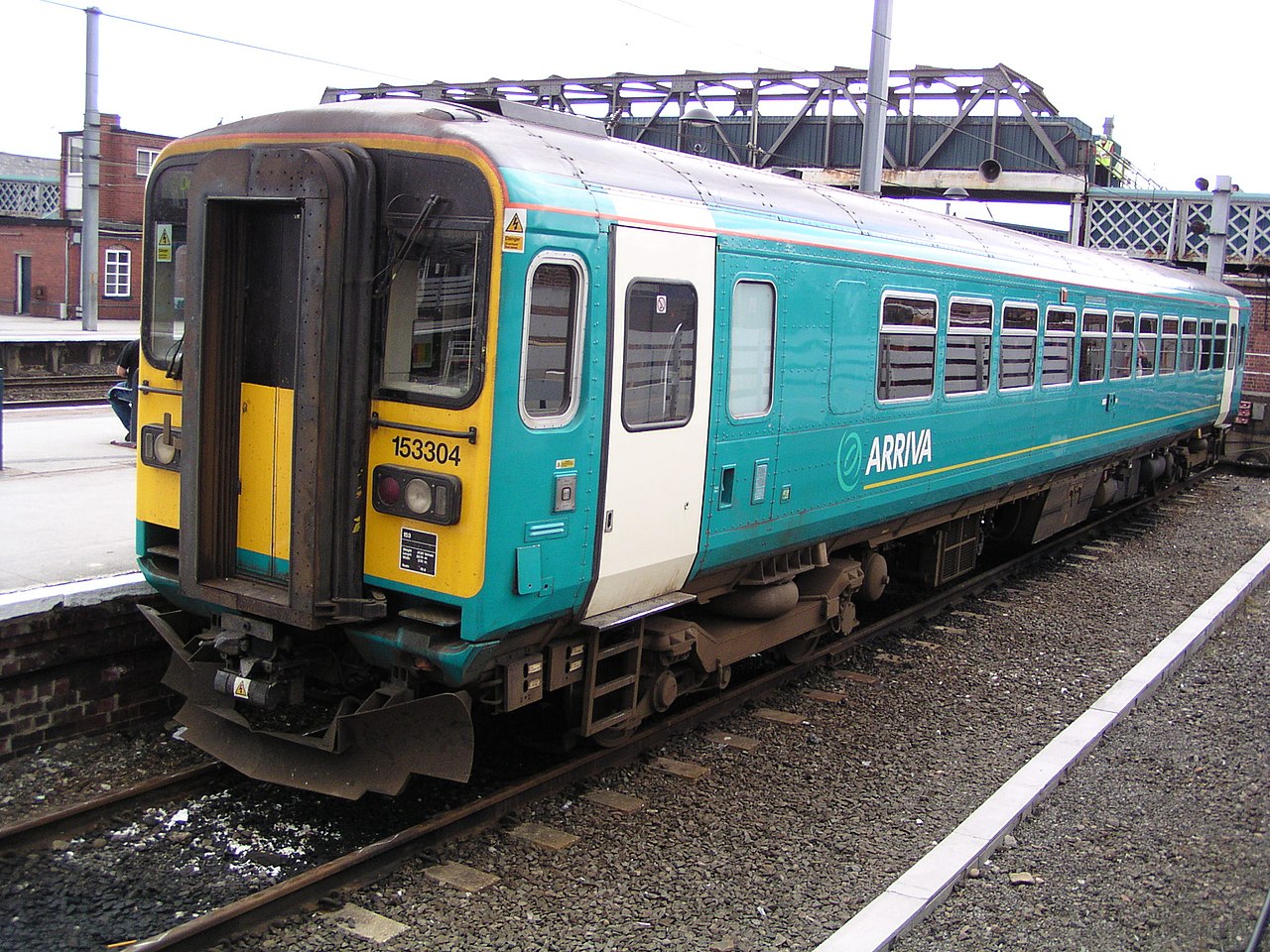






Design and characteristics
As single‑vehicle units, Class 153s are self-contained: each has driving controls and propulsion equipment so it can operate alone or be coupled with other DMUs. They retain the basic mechanical layout and body structure of the donor vehicles but were adapted for single‑car operation. Typical attributes include a modest maximum speed suitable for regional work, a passenger saloon sized for short journeys, and the ability to work in multiple with compatible units.
History and development
In the early 1990s British Rail identified the need for true single‑car trains to serve rural routes more efficiently. Initially, splitting some of the Class 156 fleet was considered, but a decision was made to modify the two‑car Class 155 sets instead. The result of that programme was a fleet of single‑car Class 153s produced by converting existing rolling stock rather than ordering completely new vehicles.
Operations and typical uses
Class 153s have been widely used on branch lines, local stopping services and shuttle workings where passenger numbers are relatively low. Their single‑car nature makes them well suited for low‑demand timetables, short runs and turning services at termini with short platforms. Operators have used them both singly and joined to other compatible Sprinter family units when demand requires.
Notable distinctions and legacy
- Conversion basis: Unlike purpose-built single cars, Class 153s were created by splitting two‑car sets, giving them the practical benefit of reusing existing equipment.
- Role: They served a specific niche between bus‑like shuttle services and larger DMUs intended for busier regional routes.
- Compatibility: Designed to work with other Sprinter family units, allowing flexible formation changes during peak periods.
The Class 153 remains an example of a pragmatic engineering and operational response to changing service needs: converting surplus or ill‑matched rolling stock into units tailored for local services. For more context on the wider DMU families and related types see entries on diesel multiple unit development and the donor classes from which they were derived.
Further technical details, service histories and preservation information are available from specialist sources and operator records; the Class 153's role in sustaining rural rail links is often cited when discussing cost‑effective regional rail operations.
Related articles
Author
AlegsaOnline.com British Rail Class 153 'Sprinter' single-car DMU Leandro Alegsa
URL: https://en.alegsaonline.com/art/14348
Sources
- angeltrains.co.uk : "Class 153 - Arriva Trains Wales, Great Western Railway, East Midlands Trains, Arriva Rail North"