
British Rail Class 115 diesel multiple unit
High‑density first‑generation DMUs used on outer‑suburban services from Marylebone and other depots. Derived from a Derby design, they served Chiltern and former Great Central corridors until early 1990s withdrawal.
Overview
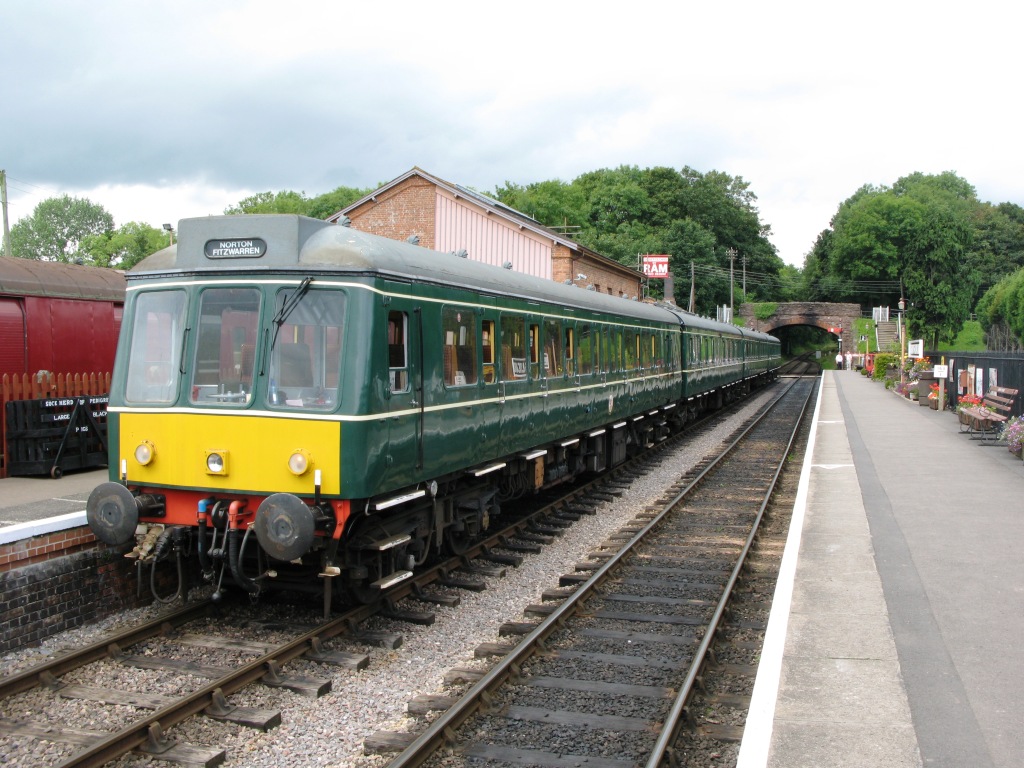
The British Rail Class 115 was a fleet of high‑density, first‑generation diesel multiple units introduced for busy outer‑suburban services. Forty‑one sets were constructed to a Derby high‑density concept and became a familiar sight operating from Marylebone to destinations such as High Wycombe, Aylesbury and Banbury. They also worked longer expresses on parts of the former Great Central Main Line during its final years and were listed under Table 115 in contemporary British Rail timetables.
Image gallery
3 Images

Design and construction
Built to a Derby high‑density layout, the Class 115 shared broad design principles with other suburban units while placing emphasis on capacity and quick boarding. Compared with some sister types such as the Class 127, they provided larger windows and generally improved interior finishes and lighting to suit frequent short journeys. As first‑generation DMUs they used conventional mechanical transmission arrangements and robust components selected for high usage on commuter work.
Formations and technical notes
Sets were provided in multiple‑car formations intended to maximise seating and standing room for peak flows. They were commonly marshalled in short fixed sets that could be coupled together for longer trains; this allowed formations to be increased for busier services and expresses. The interiors were configured for dense seating, simple yet durable fittings, and efficient gangways for quick passenger movement at suburban stops.
Operating regions and services
The bulk of the Class 115 fleet was associated with Chiltern corridor services from Marylebone and later from depots such as Tyseley and Bletchley. Principal routes served included the Chiltern Main Line and sections of the former Great Central Main Line connecting to towns like High Wycombe, Aylesbury and Banbury. Some units had originally been built for services on the Cheshire Lines Committee route between Liverpool and Manchester before being concentrated on Chiltern duties. In later years, sets based at Tyseley and Bletchley were used on a variety of secondary workings, including short branch and cross‑London diagrams when formed as power‑twins.
Mid‑life changes and displacement
Over time, the arrival of newer second‑generation DMUs and turbo units offered improved reliability, passenger comfort and operational flexibility. From the early 1990s, the introduction of modern units led to many Class 115 sets being declared surplus. On suburban and branch workings they were sometimes replaced on a temporary basis by other first‑generation types before final withdrawal; for example, some diagrams saw substitution by Class 117 power‑twins while fleets were reshuffled.
Withdrawal and final workings
Withdrawals accelerated as fleets of newer DMUs entered service. The last scheduled workings from Marylebone concluded in the early 1990s and the final Tyseley‑based sets remained in traffic into the mid‑1990s. These dates marked the end of regular passenger use for a type that had served busy commuter corridors for several decades.
Legacy and preservation
The Class 115 exemplified the mid‑20th century British approach of producing robust, high‑capacity suburban multiple units to handle intense commuter traffic. Though largely superseded by modern stock, the type is of continuing interest to railway historians and enthusiasts researching regional services on corridors associated with the Chiltern route and the former Great Central network. A small number of vehicles and component items may survive in heritage collections and museums; surviving material is typically documented by specialist groups and preservation societies that keep rosters, photographs and formation diagrams.
Research and further reading
Detailed rosters, build information and photographic records are available from contemporary railway publications and enthusiast organisations. Comparative studies often contrast the Class 115 with similar Derby‑derived designs and suburban types to illustrate changes in passenger expectations and operational practice on routes radiating from Marylebone and other mainline termini. For context, readers may also consult material on the operating company of the era, British Rail, and related suburban classes such as the Class 127 or the Class 117.
- Region: Chiltern and former Great Central corridors; original allocations included depots at Marylebone, Tyseley and Bletchley.
- Role: High‑density outer‑suburban commuter and regional services, with occasional longer expresses.
- Successor types: Replaced progressively by more modern second‑generation DMUs during fleet renewals.
For photographs, formation diagrams and preservation status information consult specialist archives and enthusiast groups that maintain historical records and publication lists relating to units used between the major regional centres such as Liverpool and Manchester, and suburban corridors served from Marylebone and its successor service patterns.
Related articles
Author
AlegsaOnline.com British Rail Class 115 diesel multiple unit Leandro Alegsa
URL: https://en.alegsaonline.com/art/14321