
British Rail Class 116
A first-generation British diesel multiple unit introduced 1957–1961 by BR Derby, widely used on suburban and regional services and later preserved on heritage lines.
Overview
The British Rail Class 116 diesel multiple units were built by the Derby Works of British Railways between 1957 and 1961. Introduced as part of the post-war modernisation programme, the Class 116 was intended to replace steam-hauled local and branch services with a self-contained, easy-to-run suburban unit. They became a familiar sight on many regional routes for several decades.
Image gallery
7 Images




Design and formation
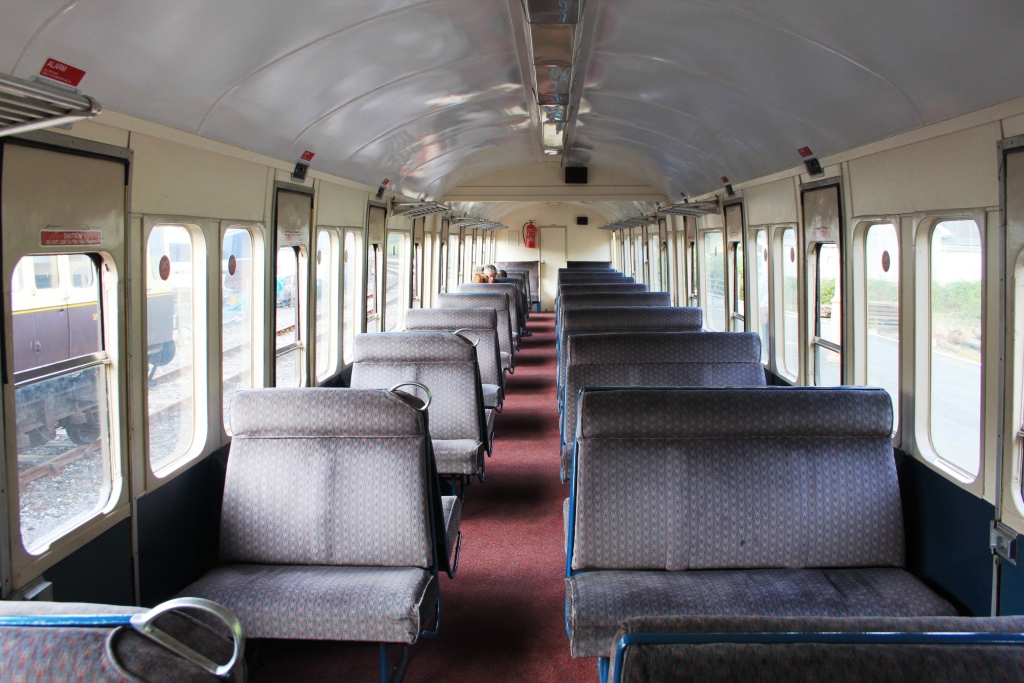
Class 116 sets were constructed as short fixed formations that could be coupled together into longer trains. Typical formations used two or three cars, combining driving motor cars and trailer vehicles to provide both powered traction and passenger accommodation. The units were designed for frequent stop-start operation, with interiors suited to commuter traffic and doors arranged for rapid boarding and alighting.
Service history
Deployed across a wide area of the British Rail network, Class 116 units handled suburban, regional and cross-country duties. They were particularly common on commuter routes radiating from major cities and on secondary lines where electrification or heavier rolling stock was not justified. Over time many units received refurbishment programmes to extend their working life before most were progressively withdrawn from everyday service.
Uses and legacy
These units helped accelerate the transition from steam to diesel traction and influenced later DMU designs. Although largely superseded on mainline services by newer multiple units, examples survived in departmental roles and on quieter regional services well into the late 20th century. Several vehicles were preserved and can be seen operating on heritage railways and at museums, illustrating mid-20th century British regional rail practice.
Notable characteristics
- Built at BR Derby: builder information.
- Part of the first generation of BR DMUs and sometimes discussed alongside other early classes: see related units.
- Valued for simple, robust construction and suitability for short-distance passenger work.
Today the Class 116 is remembered as a workhorse of regional rail in Britain and as an example of early diesel multiple-unit development. Preserved examples continue to inform interest in post-war railway technology and local transport history.
Related articles
Author
AlegsaOnline.com British Rail Class 116 Leandro Alegsa
URL: https://en.alegsaonline.com/art/14322