
British Rail Class 12 diesel shunter
A post‑war Southern Region diesel-electric shunting locomotive built at Ashford (1949–1952), numbered 15211–15236 and powered by the English Electric 6KT 350 hp engine; none survived to receive TOPS numbers.
Overview
The British Rail Class 12 name covers a group of small diesel-electric shunting locomotives built for the Southern Region of British Railways after World War II. They were intended for yard, dockside and short-trip shunting work where compact size, reliability and good low-speed control were more important than high speed. The design traces back to an earlier Southern Railway prototype batch of three locomotives dating from 1937, which were later described under pre-TOPS codes as D3/12.
Image gallery
1 Image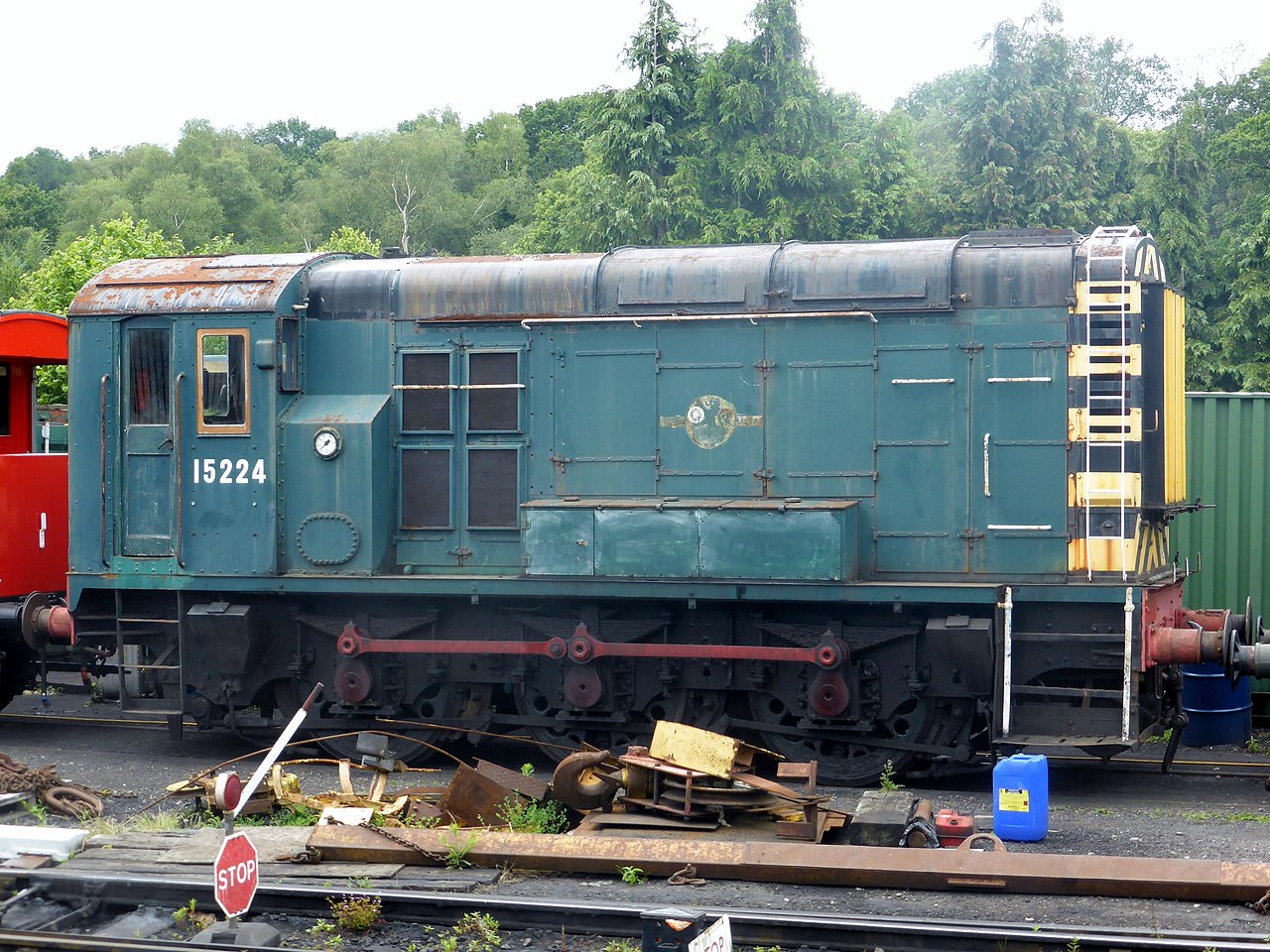
Design and technical characteristics
Class 12s used the English Electric 6KT diesel engine, rated at about 350 hp (roughly 260 kW), driving traction motors through a diesel-electric transmission. The locomotives had six coupled driving wheels (0-6-0 arrangement) to give good tractive effort for shunting tasks and a short wheelbase for negotiating tight yard curves. Their equipment and layout were conservative and robust, prioritising ease of maintenance and proven components over experimental features.
Construction, numbering and classification
These locomotives were built at BR's Ashford Works between 1949 and 1952 and carried BR numbers 15211–15236. They were later referred to as Class 12 under the BR classification system. The immediate predecessor prototypes (built in 1937 by the Southern Railway) are often mentioned alongside the Ashford batch as part of the same developmental line.
Service life and withdrawal
Class 12 locomotives spent their careers in the Southern Region performing shunting and short-distance trip duties in goods yards, docks and depots. As diesel traction and depot practices evolved, these small dedicated shunters were progressively withdrawn. None remained in BR service long enough to be renumbered under the TOPS regime introduced in the late 1960s/early 1970s, so no Class 12 received a TOPS-era number.
Significance and distinctions
Class 12s represent a transitional post‑war approach to diesel shunters: conventional, rugged machines based on proven English Electric components. They illustrate how regional needs (in this case the Southern Region's dense yard and dock operations) shaped small diesel designs. For comparisons with other BR shunters and technical histories, see manufacturer and locomotive-type resources such as British Rail fleet lists, general diesel locomotive summaries at diesel reference pages and shunting practice overviews at rail operations sites.
For further technical detail and photographic records consult specialised archives or preserved-railway groups and manufacturer histories like English Electric histories and TOPS documentation summaries at TOPS reference.
Related articles
Author
AlegsaOnline.com British Rail Class 12 diesel shunter Leandro Alegsa
URL: https://en.alegsaonline.com/art/14326