
Campaign Finance Reform in the United States
Overview of U.S. campaign finance reform: goals, major laws and court rulings, common reform proposals, examples of practices, and distinctions among PACs, Super PACs, and dark‑money groups.
Overview
Campaign finance reform in the United States refers to efforts to regulate how money is raised, spent, and disclosed in political campaigns. Reform efforts aim to reduce corruption or its appearance, increase transparency, and create a fairer electoral process while balancing constitutional protections for political expression.
Image gallery
2 Images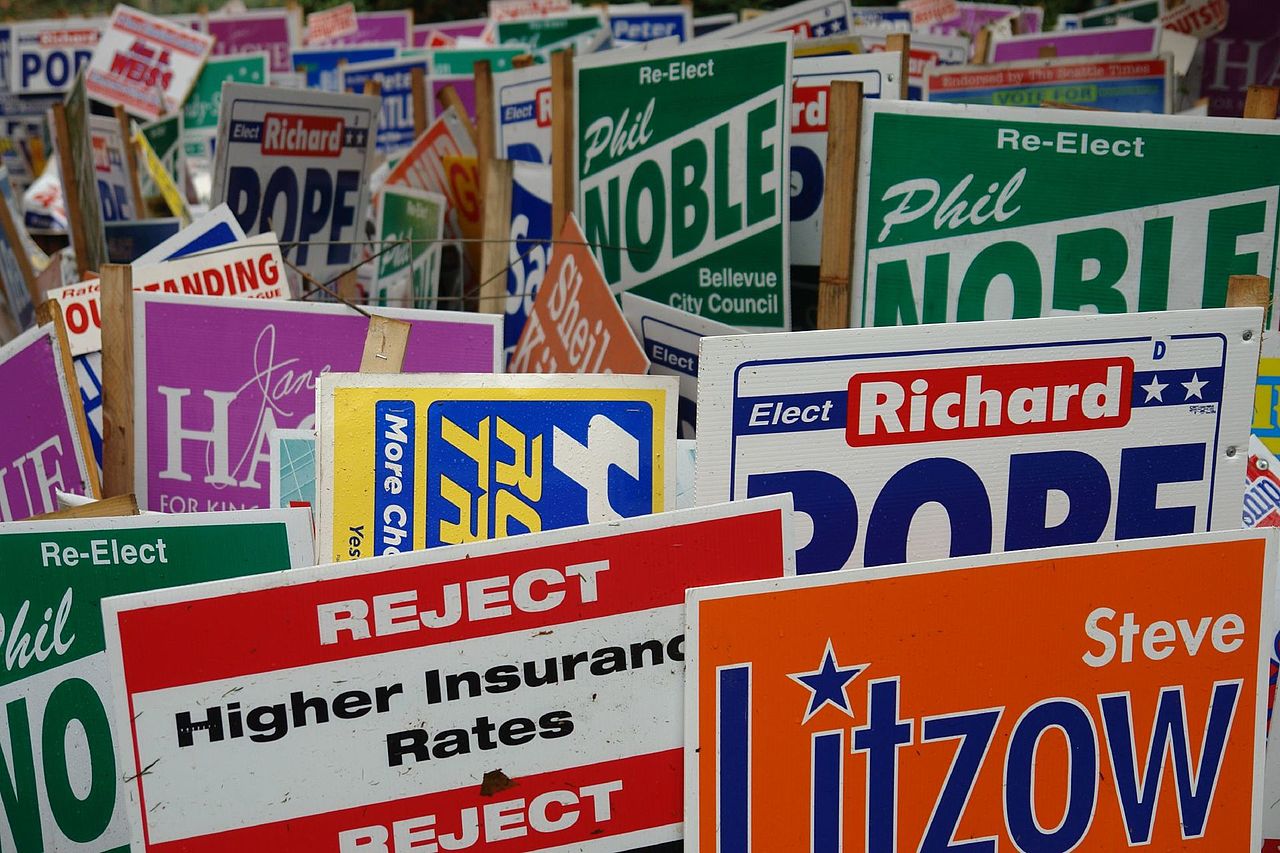

Key elements and common proposals
Proposals for reform typically fall into several categories: limits on contributions, regulation of independent expenditures, disclosure and transparency rules, public financing or small‑donor matching programs, and stronger enforcement mechanisms. Advocates often call for requiring disclosure of large donors and of so‑called "dark money" groups, while other proposals seek to replace private largescale donations with public funds or matching for small contributions.
History and major legal decisions
Federal laws and regulatory bodies have shaped the modern system, including statutes that created the Federal Election Commission and laws passed in the 20th century to constrain corporate and individual influence. Landmark Supreme Court rulings have also been decisive: the Court has treated some limits on spending as protected political speech, while distinguishing them from contribution limits. The rise of independent expenditure groups and Super PACs followed rulings that allowed unlimited spending by independent entities so long as they do not coordinate directly with candidates.
Types of organizations and distinctions
- PACs (Political Action Committees) raise funds to support candidates with contribution limits.
- Super PACs may accept unlimited contributions for independent expenditures but are prohibited from coordinating with campaigns.
- 501(c)(4) and similar nonprofits can engage in political activity without disclosing all donors, often described as "dark money."
Debate, examples, and reforms in practice
Supporters of reform argue it reduces undue influence and encourages broader participation; critics raise free‑speech and practical enforcement concerns. Many reforms are implemented at state and local levels—some jurisdictions use public financing or matching funds to amplify small donors—while federal reforms have been proposed to improve disclosure, close loopholes, or alter constitutional constraints. For additional background and resources see this overview.
Notable facts
Reform remains contested because it intersects law, politics, and constitutional rights. Distinguishing between direct contributions to candidates and independent spending by outside groups is central to both legal doctrine and policy design. Proposals range from incremental transparency measures to broader changes such as public financing or constitutional amendments.
Related articles
Author
AlegsaOnline.com Campaign Finance Reform in the United States Leandro Alegsa
URL: https://en.alegsaonline.com/art/16364