
British African-Caribbean people
Residents of the United Kingdom whose families came from the British West Indies and whose ancestors trace to Africa; an overview of history, culture, distribution and contemporary issues.
The term British African-Caribbean (often Afro-Caribbean) describes people living in the United Kingdom whose family origins lie in the British West Indies and whose ancestors arrived in the Caribbean from Africa. Estimates suggest around 566,000 people identify with this background, forming one of the United Kingdom's long-established minority communities.
Image gallery
10 Images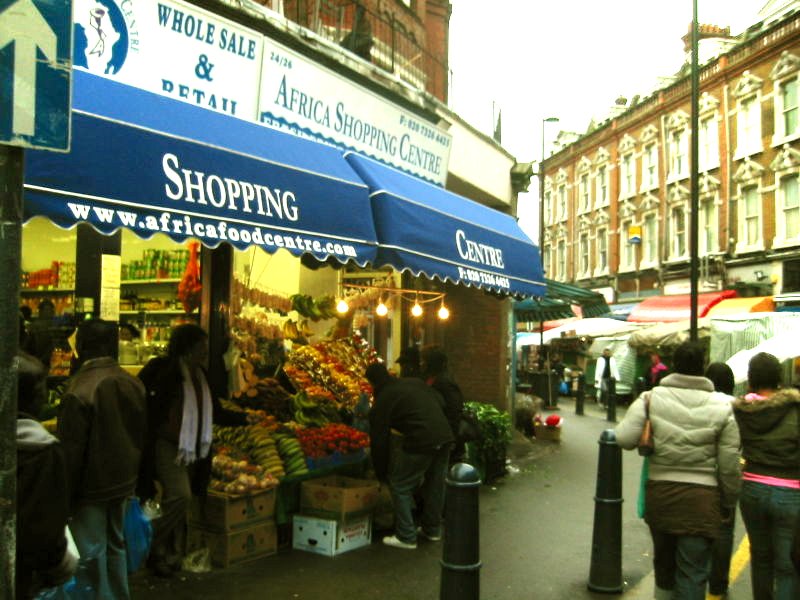




Origins and ancestry
Most British African-Caribbean families trace their roots to the transatlantic slave trade and to later migrations from Caribbean islands such as Jamaica, Trinidad and Tobago, Barbados and others. The word "ancestors" in this context denotes generational links to African societies and to the colonial histories of the Caribbean; many came to Britain in the mid-20th century seeking work and new opportunities (ancestors).
Migration and settlement
Large-scale migration occurred after the Second World War, notably from the late 1940s onwards. New arrivals helped rebuild postwar Britain and settled mainly in urban centres. This movement included the celebrated Windrush generation and subsequent family reunifications and arrivals throughout the 20th century.
Geographic distribution and community life
British African-Caribbean communities are concentrated in cities such as London, Birmingham, Manchester and Bristol, where they established churches, social clubs and businesses. Community networks supported cultural retention while fostering new British-Caribbean identities across generations.
Culture and contributions
- Music: reggae, ska and other Caribbean styles influenced British popular music and youth culture.
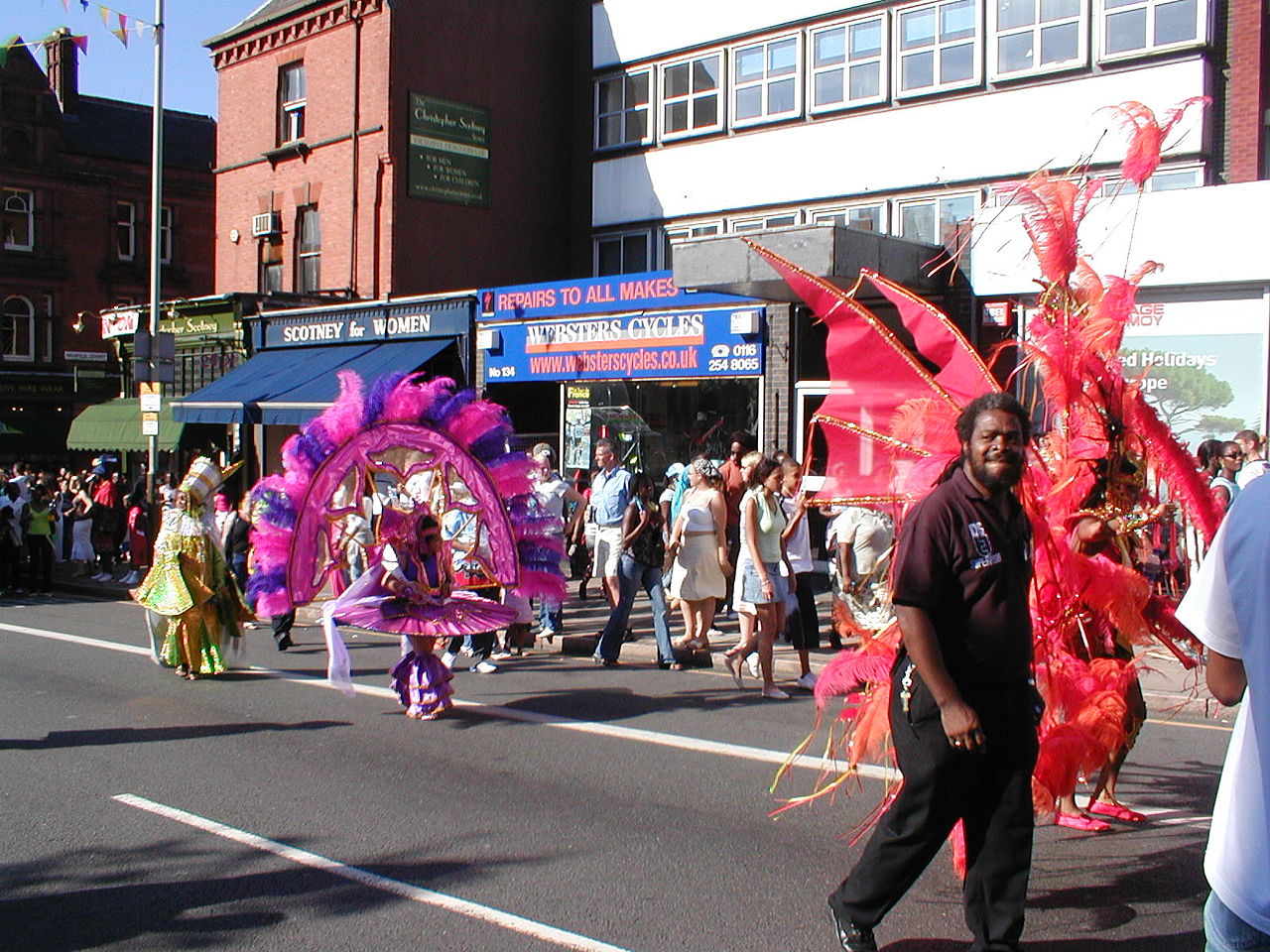
- Festivals: events such as the Notting Hill Carnival celebrate Caribbean heritage and attract national audiences.
- Public life: individuals of African-Caribbean background have made notable contributions in sport, politics, literature and the arts.
Contemporary issues and distinctions
While the community has been influential, it has also faced challenges including discrimination, socioeconomic disparities and overrepresentation in stop-and-search policing. The Windrush scandal of recent years highlighted problems with immigration documentation and the treatment of long-term residents. Ongoing discussions focus on equality, representation and preserving cultural heritage.
Related articles
Author
AlegsaOnline.com British African-Caribbean people Leandro Alegsa
URL: https://en.alegsaonline.com/art/14238
Sources
- tru4u.co.uk : Examples of flags used to promote multiculturalism
- blackinbritain.co.uk : Black Britain - Web Magazine