
British Museum
Comprehensive overview of the British Museum in London: collections, history, visiting, research role, and notable objects such as the Rosetta Stone and Parthenon sculptures.
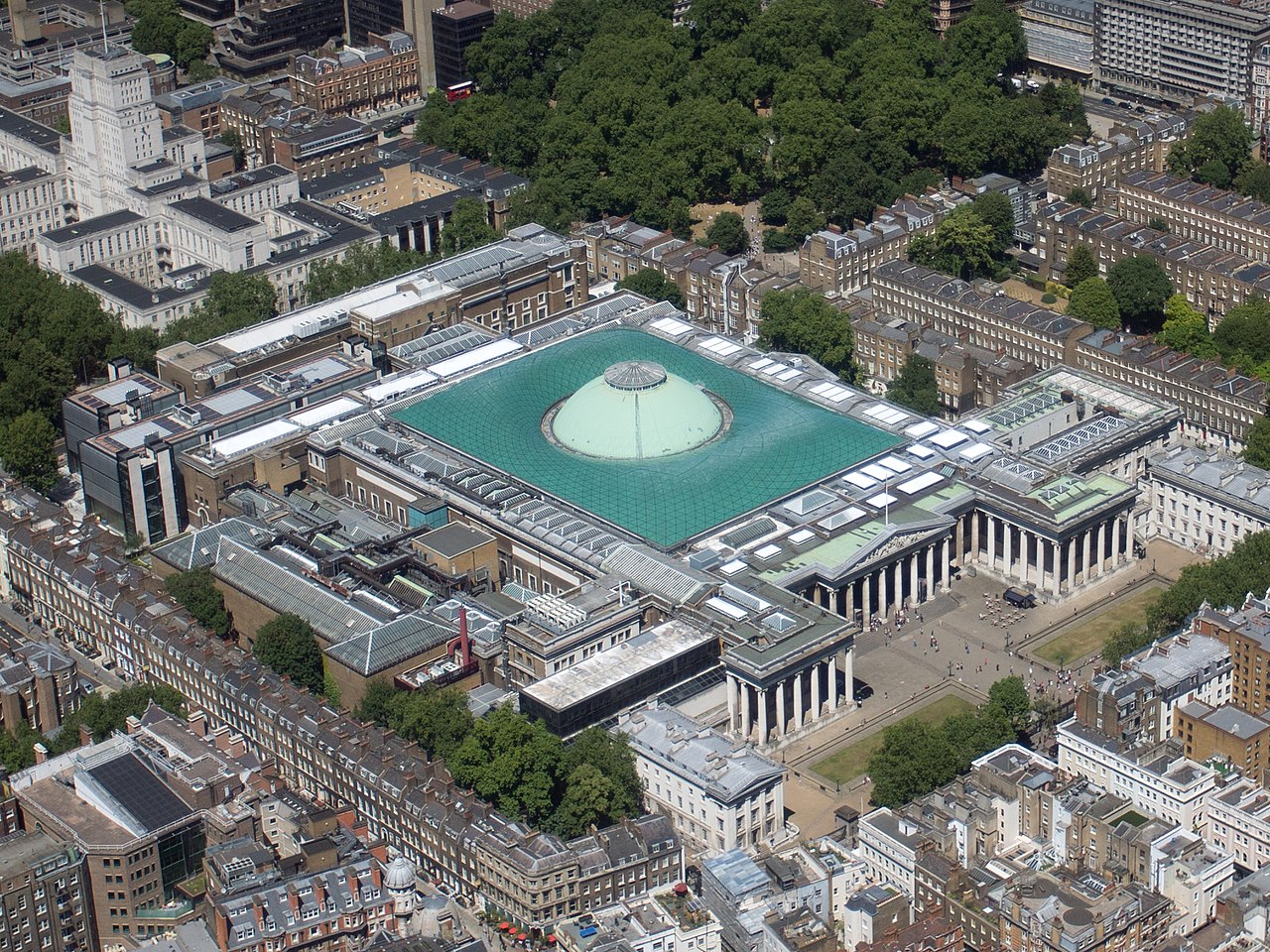
The British Museum in Bloomsbury, London, is one of the world’s leading museums dedicated to human history and culture. Established in the 18th century, it holds a very large and diverse collection of objects that illustrate the development of civilizations across the globe. The museum is publicly funded and, in keeping with the national museums of the United Kingdom, does not charge a general admission fee. For practical details and official visitor information consult the museum’s official site.
Image gallery
9 Images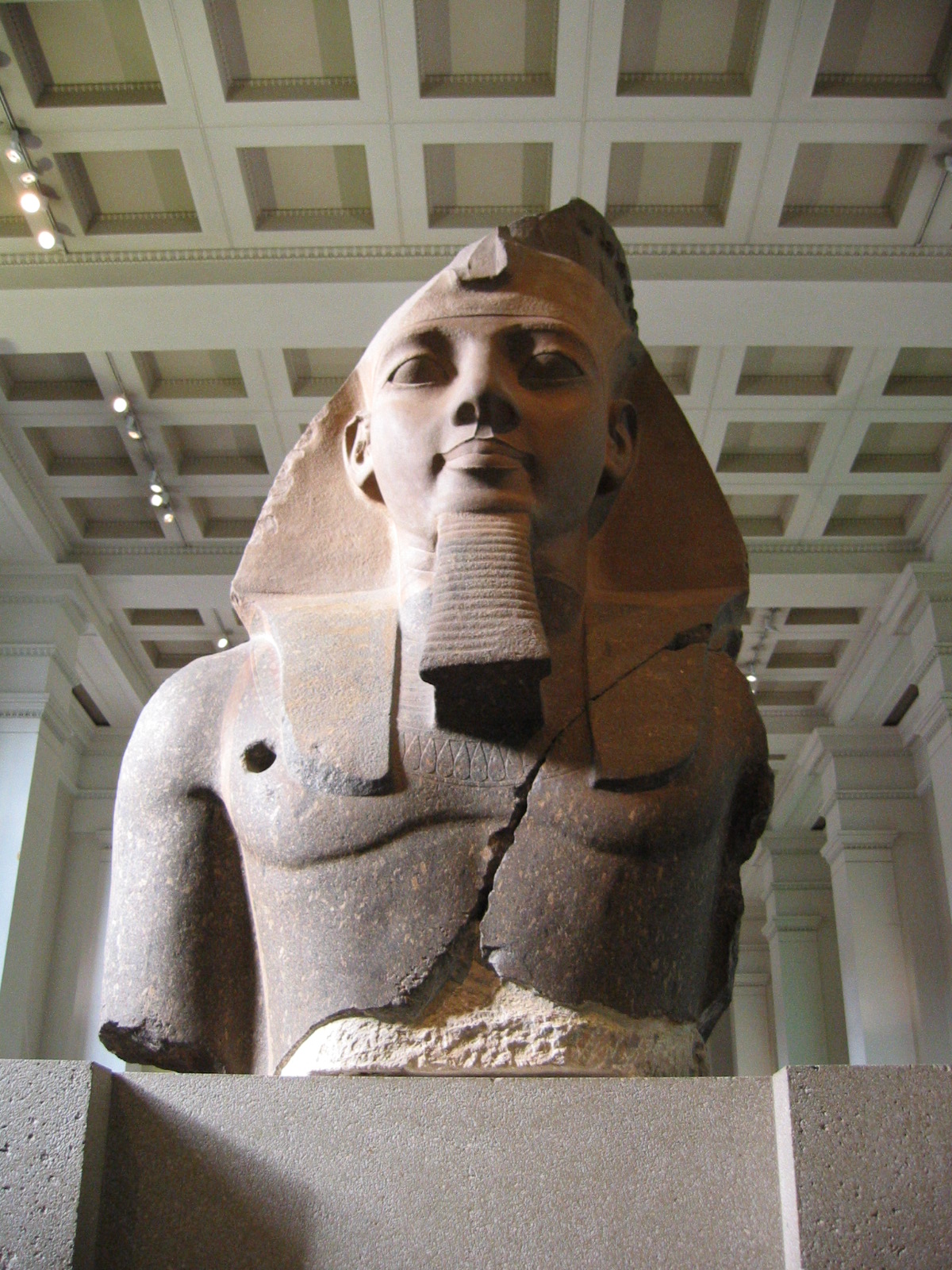


Scope and principal collections
The museum’s holdings span thousands of years and originate from every inhabited continent. Collections are organized into departments that group related regions and object types, and many galleries display long-term thematic narratives about art, belief, trade and technology. Major areas include:
- Ancient Egypt and Sudan — monumental sculpture, funerary equipment and papyri.
- Greece and Rome — architectural fragments and classical sculpture, including pieces associated with the Parthenon.
- Middle East — inscriptions, reliefs and artifacts tracing writing and urban civilizations.
- Asia — art and material culture from South, East and Southeast Asia.
- Africa, the Americas and Oceania — ethnographic and archaeological objects illustrating cultural diversity.
- Coins, medals, prints and drawings — specialized collections important for dating and visual history.
Some individual objects have become widely recognized symbols: the Rosetta Stone, crucial for deciphering Egyptian hieroglyphs, and the Parthenon sculptures (commonly referred to in connection with Lord Elgin) are prominent examples. See the museum’s pages on these items for curated descriptions: Rosetta Stone and Parthenon sculptures.
History and buildings
The institution traces its origins to the sale of private collections in the mid-1700s and opened to the public later that century. Its initial holdings included the library and objects assembled by collectors whose bequests formed the nucleus of the museum. Over time the site in Bloomsbury expanded with purpose-built galleries and a monumental courtyard. The collection’s growth through archaeology, purchase, donation and, at times, removal from other parts of the world, shaped the museum into a comprehensive repository used by researchers and visitors alike. For an overview of the museum’s development and architecture consult historical resources.
Research, education and public engagement
Beyond display, the British Museum is an active research institution. Curators, conservators and external scholars work on cataloguing, scientific analysis and interpretation. The museum provides learning programs for schools, lifelong learners and specialists, and it increasingly offers digital access to collections and scholarly resources. To explore the collections online or learn about educational programs see collections database and learning and outreach.
Visiting, impact and debates
The museum attracts millions of visitors annually and plays a major role in public understanding of global history. It also participates in loans, temporary exhibitions and partnerships with other institutions. At the same time, the British Museum has been central to ongoing public and scholarly debates about provenance and the restitution of objects taken during colonial eras. These discussions concern legal, ethical and diplomatic questions and influence museum policies on display, research and collaboration. For recent visitor figures and institutional reports see visitor and annual reports.
Whether encountered in person or online, the museum’s collections offer extensive material for study and reflection on human creativity, belief and exchange. Researchers and members of the public can follow current exhibitions, access digital records and inquire about loans or research visits through the museum’s official channels: official site and the specialized pages referenced above.
Questions and answers
Q: What is the British Museum?
A: The British Museum in London is one of the world's largest and most important museums of human history and culture. It has more than seven million objects from all continents that illustrate and document the story of human culture from its beginning to the present.
Q: When was it set up?
A: The British Museum was set up in 1753 and opened in 1759.
Q: Is there an admission fee?
A: No, as with all other national museums and art galleries in Britain, the Museum charges no admission fee.
Q: How many visitors does it have each year?
A: The British Museum has nearly six million visitors a year.
Q: What is its ranking among art museums worldwide?
A: The British Museum is the third most popular art museum in the world.
Q: What are some of its most famous exhibits?
A: Some of the museum's most popular and important exhibits include the Rosetta Stone and the Elgin Marbles.
Related articles
Author
AlegsaOnline.com British Museum Leandro Alegsa
URL: https://en.alegsaonline.com/art/14280
Sources
- britishmuseum.org : "Museum in London"
- news.bbc.co.uk : "Free tourist atrractions see visitor numbers soar"
- fathom.com : "Creating a great museum"
- britishmuseum.org : "Sutton Nicholls, Montagu House, an engraving"
- historytoday.com : "On This Day:British Museum opens"
- crystalinks.com : "Crystal Links - the Rosetta Stone"
- athensguide.com : "Elgin Marbles - The Story"
- bl.uk : "A short history of the British Library"
- britishmuseum.org : "British Museum - A History of the Collection"
- britishmuseum.org : "The British Museum Reading Room - a history"
- query.nytimes.com : "The Electric Light in the British Museum"
- subbrit.org.uk : "Subterranea Britanica:Aldwych - Holborn branch"
- london.allinfo-about.com : "Timeline of the London Blitz"
- britishmuseum.org : "Exhibition Archive (1972) - the Treasures of Tutankhamun"