
Brill Building: hub of American pop songwriting in the 1950s–60s
The Brill Building in Manhattan was the epicenter of professional pop songwriting in the 1950s–1960s. It housed writers, publishers and demo studios that shaped the “Brill Building sound” and modern pop production.
The Brill Building refers both to a specific office building in Manhattan and, by extension, to the community of professional songwriters, publishers and producers who worked there during the late 1950s and early 1960s. Located on Broadway in New York City, it became a focal point where composers, lyricists and music publishers collaborated to create polished pop songs for teenage audiences, radio and early television.
Image gallery
3 Images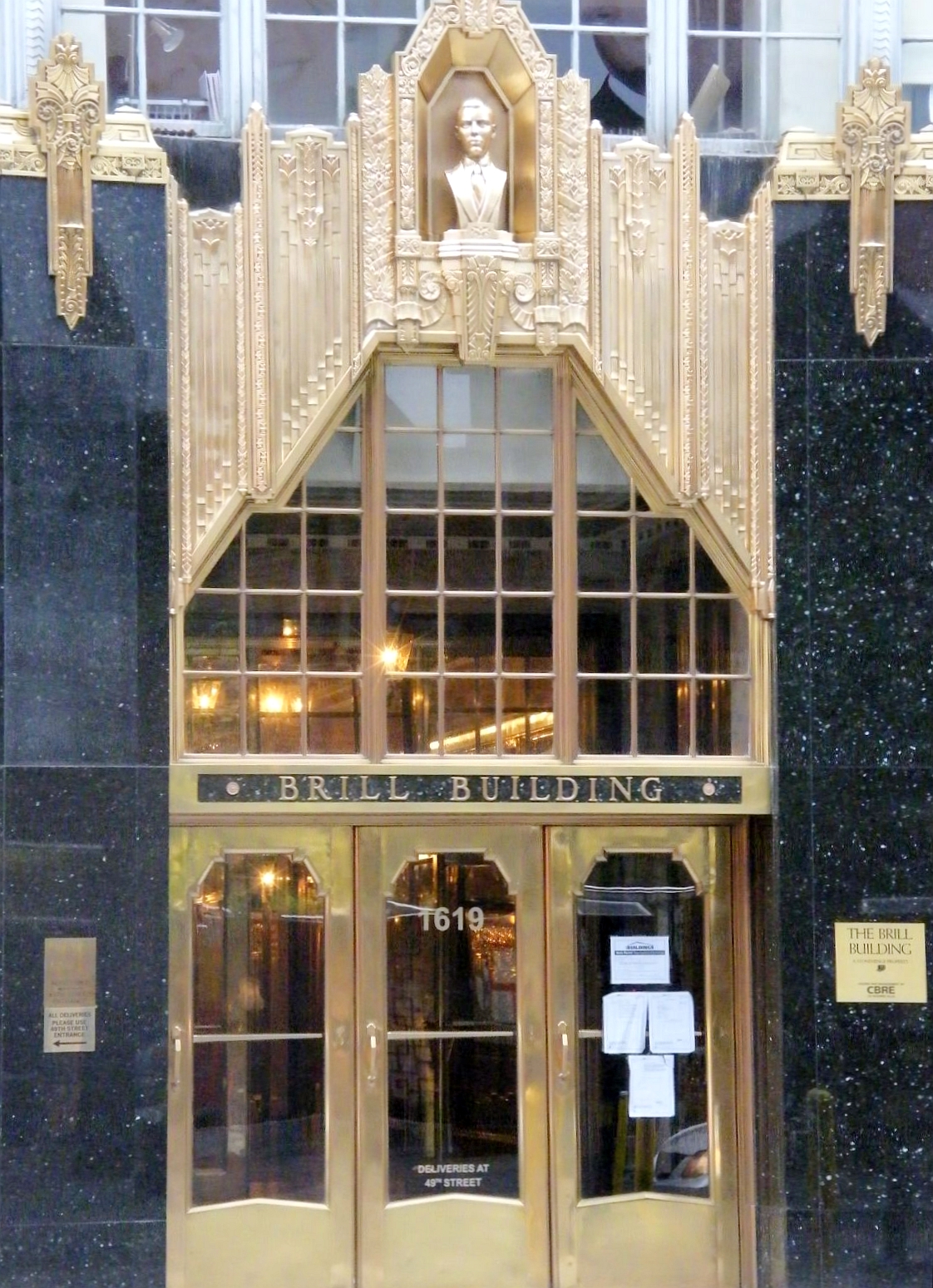


Characteristics and workplace
Inside the building were small offices and business suites occupied by music publishers and songwriting teams. There were also modest demo studios where songs could be recorded quickly for pitching to artists and producers. This environment encouraged an assembly-line approach: writers and teams churned out concise, hook-driven songs, while publishers and "song pluggers" promoted promising demos to recording acts and radio programmers.
Creative teams and notable figures
The Brill Building era produced many prominent songwriters and partnerships who later became household names. Well-known teams and individuals associated with the scene include Carole King and Gerry Goffin, Barry Mann and Cynthia Weil, Ellie Greenwich and Jeff Barry, Neil Sedaka (often with Howard Greenfield), and record executives such as Don Kirshner. These writers wrote for teen idols, girl groups and pop acts, and their works were recorded by a range of performers, including groups like The Monkees who drew heavily from Brill Building catalogs.
Style, influence and decline
Music emerging from the Brill Building often emphasized memorable choruses, concise song forms and sophisticated pop arrangements—elements that later influenced soul, rock and mainstream pop. The so-called "Brill Building sound" is associated with tight vocal harmonies and professional production values. The model began to change in the mid-1960s as more artists wrote and produced their own material and as the British Invasion and album-oriented rock reshaped the industry.
Legacy and significance
Today the Brill Building remains a symbol of a particular era of American popular music: one in which professional songwriters, publishers and small studios cooperated closely to meet popular demand. The practices developed there—team writing, demo production and publisher-driven promotion—helped define modern pop songwriting and the music business infrastructure that followed.
Further reading and resources
- Brill Building location and overview
- History of the building as a music center
- Songwriters and publishing activity
- Chronology of the 1950s music scene
- The 1960s and the changing industry
- Demo studios and recording practices
- How demos were used to pitch songs
- Profiles of key producers and publishers
- Don Kirshner and his role
- Promotion strategies for pop songs
- Neil Diamond and contemporaries
- Carole King: songwriter and career overview
- Carole Bayer Sager and later work
- Neil Sedaka and collaborator notes
- The Monkees and Brill Building material
Related articles
Author
AlegsaOnline.com Brill Building: hub of American pop songwriting in the 1950s–60s Leandro Alegsa
URL: https://en.alegsaonline.com/art/14155