
Bridle: Equipment for Steering and Controlling a Horse
A bridle is a headgear used to control a ridden or driven horse. This article explains its parts, common types (bit and bitless), historical development, fitting and typical uses in riding, driving and training.
A bridle is the headgear by which a rider or driver communicates with and guides a horse. It typically carries a bit— a metal mouthpiece—connected to reins so the rider can give directional and speed cues. Not all bridles use a bit; alternatives that act on the horse's nose and poll exist and are commonly called bitless bridles or hackamores. Proper selection, fit and handling of a bridle are essential for clear communication, the animal's comfort and safety.
Image gallery
9 Images






Parts and common types
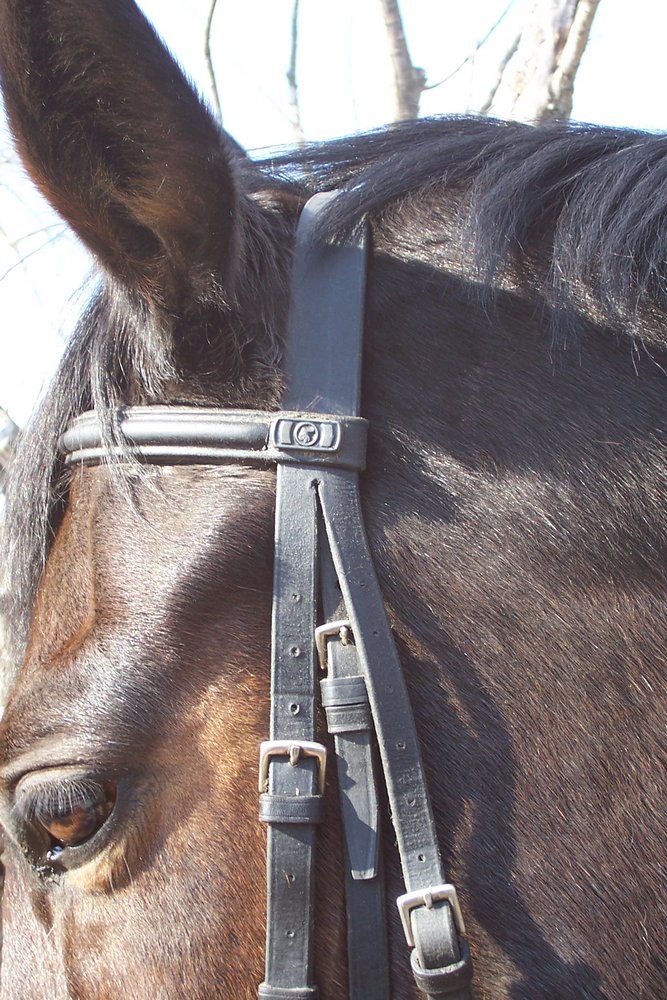
Most bridles are constructed from leather, synthetic webbing, or rope and are assembled from several adjustable straps. Principal components include the crownpiece (or headpiece), which passes behind the ears; the browband across the forehead; the cheekpieces that attach to the bit; the throatlatch; and a noseband or cavesson. The reins attach to the bit or to bitless hardware.
- Snaffle bridle — a simple bridle carrying a single-bit design commonly used for schooling and pleasure riding.
- Curb bridle — includes a curb bit with leverage and usually a curb chain under the chin, used in some styles of riding and driving.
- Double (Weymouth) bridle — carries two bits and two sets of reins for refined control, used primarily in advanced dressage and show disciplines.
- Bitless bridle / hackamore — works by applying pressure to the nose, jaw and poll rather than the mouth; useful for horses with mouth problems or for particular training needs.
History and development
Bridles have been used since early domestication of the horse and evolved alongside riding and harnessing techniques. Early designs were simple nosebands or throat-and-nose cords. Metal bits appeared as metallurgy advanced, enabling finer control. Over time, regional riding styles produced a wide range of bit shapes, materials and headstall arrangements, and modern riding has also seen a resurgence in bitless designs and synthetic materials that prioritize safety, hygiene and adjustability.
Different disciplines favor different bridles: English and Western riding traditions developed distinct nosebands, browbands and rein arrangements, while driving harnesses use variants designed to attach to vehicle lines. Competitive rules often regulate allowed bits and nosebands to protect welfare and ensure fair comparison.
Fitting, use and welfare considerations
Correct fit matters: a bridle should sit so the bit rests gently in the mouth without pinching, the browband does not pull the ears forward, and the noseband is adjusted to avoid restricting breathing or causing discomfort. Hands-on training, a calm hand on the reins and gradual introduction to new hardware are important for effective communication. A poorly fitting or misused bridle can cause pain, resistance, and behavioral problems.
When discussing the bit specifically, see general information on the metal mouthpiece here: bit. For broader context about equine handling and care, a general resource on the horse is available at: horse.
Notable distinctions and practical examples
Choosing between bit and bitless depends on the horse's mouth health, training stage, discipline rules and rider preference. Bitless bridles may reduce mouth injury but change how cues are applied and may require different rein-signal techniques. Riders and trainers often rotate equipment as part of a horse's management: using deeper schooling bits for advanced maneuvers, simpler snaffles for instruction, and bitless options during recovery from oral injury. Understanding how each part of a bridle affects pressure and leverage helps users make informed, humane choices.
Related articles
Author
AlegsaOnline.com Bridle: Equipment for Steering and Controlling a Horse Leandro Alegsa
URL: https://en.alegsaonline.com/art/14098
Sources
- practicalhorsemanmag.com : "Become a Horse Noseband Know-It-All"