
John C. Calhoun (1782–1850): American statesman and proponent of nullification
John C. Calhoun was a leading 19th-century American politician from South Carolina, known for his service as vice president, senator, cabinet officer and for defending states' rights and slavery.
John Caldwell Calhoun (March 18, 1782 – March 31, 1850) was a prominent American political leader from South Carolina whose career spanned the early antebellum era. He served as vice president of the United States and later as a long-serving senator and cabinet minister. Born to a family of modest means with an immigrant father from Ireland, Calhoun rose to national influence through his work in the U.S. House, the cabinet, and the Senate. His thinking about federalism, minority protections within a republic, and the institution of slavery shaped debates that led toward the American Civil War.
Image gallery
10 Images

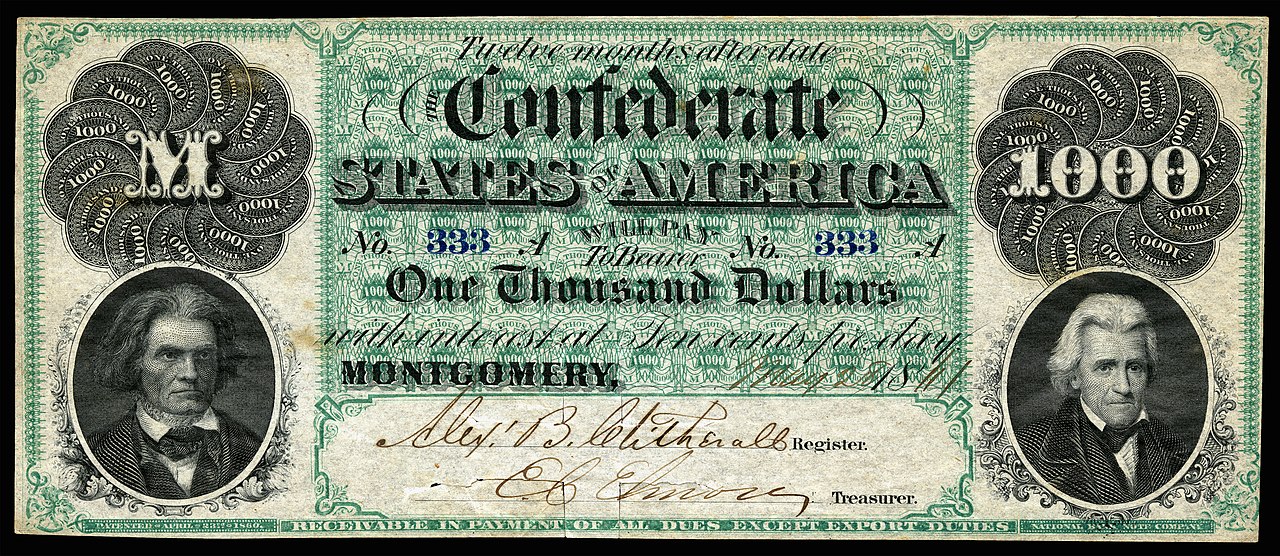





Political offices and public roles
- Early career: member of the U.S. House of Representatives representing South Carolina, where he built a reputation as a skilled debater.
- Cabinet service: served as Secretary of War under President James Monroe and later held the office of Secretary of State in the 1840s.
- Vice presidency: elected vice president and served under President John Quincy Adams and then under President Andrew Jackson, a rare occurrence shared only with a few others in U.S. history.
- Senate leadership: after resigning the vice presidency, he returned to the Senate and became one of the most influential voices for Southern interests.
Ideas, nullification and political conflict
Calhoun developed and championed the doctrine of nullification—the claim that a state could refuse to accept a federal law it deemed unconstitutional. He argued that the United States was a compact of sovereign states and that states retained certain ultimate rights to protect their interests. That theory produced a direct confrontation with President Andrew Jackson during the Nullification Crisis of the early 1830s, when South Carolina attempted to nullify federal tariff laws. The crisis exposed deep divisions over the balance of power between the national government and the states and led Calhoun to resign the vice presidency to return to the Senate and defend his positions from there.
Stance on slavery and racial politics
Calhoun is widely remembered for his vigorous defense of the slaveholding South. He argued that slavery was not merely a necessary evil but a positive social good that structured Southern economy and society. He worked to protect the institution through political means—insisting on strict limits to federal power over slavery and on constitutional protections for the rights of slaveholding states. These views made him a central intellectual and political figure for those who later advocated secession.
Later career, writings and legacy
After leaving the vice presidency in 1832—becoming the first U.S. vice president to resign from office—Calhoun served again in the Senate and later as Secretary of State in the 1840s. He wrote speeches and essays outlining his theories of government, including arguments for what he called the "concurrent majority," a mechanism intended to protect regional minorities from domination by a numerical national majority. His career left a contested legacy: some contemporaries and later historians praised his intellect and rhetorical skill, while many others condemned his defense of slavery and his contribution to sectional division.
Notable facts and distinctions
- Calhoun was one of the few vice presidents to serve under two different presidents; another early example was George Clinton.
- He resigned the vice presidency in December 1832 to take a Senate seat and lead the opposition to federal tariffs and what he viewed as encroachments on state sovereignty.
- His family background included an immigrant father from Ireland, and his political life intersected with many of the great controversies of his age, including debates over tariffs, internal improvements, and federal authority.
- Calhoun's positions on states' rights and slavery remain central to scholarly discussions about the causes of sectional conflict in the United States and are often cited when tracing the intellectual origins of Southern secession.
For an introduction to his speeches and the controversies he engaged, see collections of his writings and contemporary accounts of the Nullification Crisis and antebellum congressional debates. Additional resources and primary documents can be found through specialized archives and edited volumes of 19th-century American political writings.
Further reading and source material are available via archives and scholarly repositories; brief biographical summaries are often used to contextualize his role in U.S. political development and the lead-up to the Civil War. See also references to his vice presidency and cabinet posts for a fuller timeline of his public service.
For wider context about his presidential contemporaries and the political environment in which he operated, consult material on vice presidents, President John Quincy Adams, President Andrew Jackson, and later diplomatic roles and foreign policy debates in which he participated as Secretary of State.
Discussion of Calhoun's advocacy for slavery and states' rights continues to inform interpretations of antebellum American politics and the moral and constitutional conflicts that culminated in civil war. His work remains studied for its rhetorical force, its influence on Southern political thought, and the profound controversies it helped to crystallize during a formative period in United States history. For more on the subject, consult specialized biographies and academic treatments of the era.
Selected online and archival entries can be found through educational and historical collections; see indexes of congressional debates and digitized collections of 19th-century documents for primary texts related to Calhoun's speeches and correspondence. For a starting point, review material addressing his role as a defender of slavery and his constitutional theories, including late essays on government and the protection of minority interests within a republic.
Author
AlegsaOnline.com John C. Calhoun (1782–1850): American statesman and proponent of nullification Leandro Alegsa
URL: https://en.alegsaonline.com/art/140497