
James R. Schlesinger
American economist and public official who served as U.S. Secretary of Defense and the first U.S. Secretary of Energy; prominent Cold War policymaker and government administrator.
Overview
James Rodney Schlesinger (February 15, 1929 – March 27, 2014) was a prominent American economist and government official who held several senior posts in the 1970s. He is best known for serving as United States Secretary of Defense and later becoming the nation's first Secretary of Energy. His career spanned national security, energy policy and nuclear oversight during a period of Cold War tension and domestic upheaval.
Image gallery
10 Images



Key positions and responsibilities
Schlesinger occupied multiple high-level roles in federal government, combining technical expertise with administrative authority. Among the principal offices he held were:
- Director of Central Intelligence: a brief but consequential tenure in Washington that placed him at the head of the U.S. intelligence community; Director of Central Intelligence is one of the titles associated with his service.
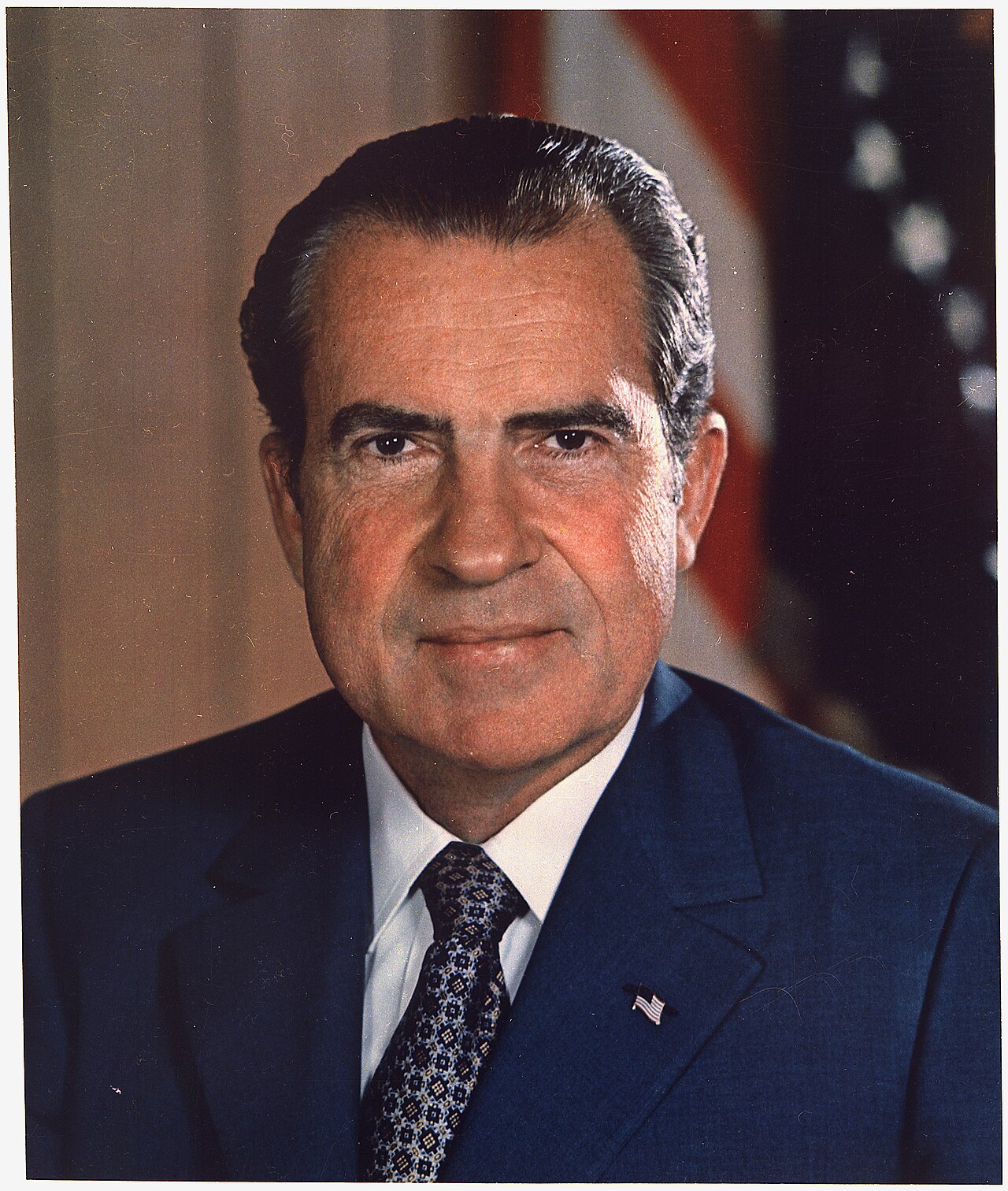
- Secretary of Defense: led the Department of Defense through the later stages of the Vietnam era and early post‑Vietnam restructuring under Presidents Richard Nixon and Gerald Ford.
- Chairman of the Atomic Energy Commission: responsible for nuclear matters and oversight prior to formation of later energy institutions.
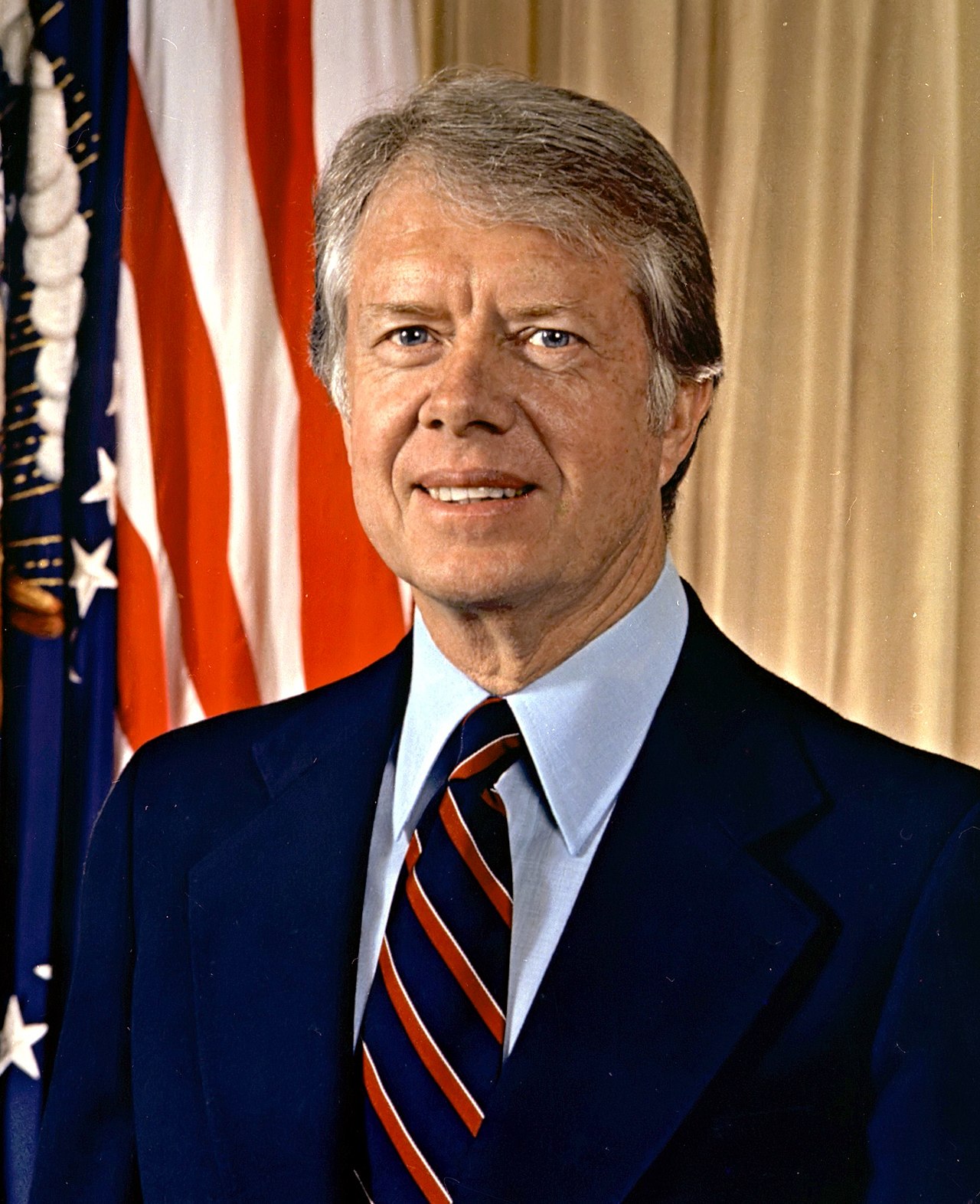
- First Secretary of Energy: appointed when the Department of Energy was created to coordinate national energy strategy and policy.
Policy, approach and legacy
Schlesinger was widely regarded as a hard‑nosed manager who emphasized technical analysis, strategic readiness and centralized control of programs under his authority. In defense, he worked on force planning and budget priorities as the military adapted to a shifting international environment. As the first Energy Secretary, he helped establish the organizational structures and priorities of a new cabinet department amid the energy crises of the 1970s. Observers note his preference for data‑driven decision making and a strong executive role in coordinating complex agencies.
Notable traits and controversies
His direct style and tendency to assert centralized control sometimes provoked criticism from Congress and from career officials who disagreed with his methods. Several of the changes he ordered — particularly in intelligence oversight and defense budgeting — remain the subject of historical debate about effectiveness, civil‑military balance and transparency.
Death and continuing influence
Schlesinger died on March 27, 2014, at age 85 from complications of pneumonia while hospitalized in Baltimore. He left a legacy as a formative manager of U.S. defense and energy institutions during a turbulent decade. His career is frequently cited in discussions of executive reform, interagency coordination and the creation of modern federal energy policy. For further reading on his appointments and policy work see resources linked through official and historical collections (Defense, Energy, Intelligence).
Author
AlegsaOnline.com James R. Schlesinger Leandro Alegsa
URL: https://en.alegsaonline.com/art/140270