
James D. Watson: Co-discoverer of DNA's Double Helix
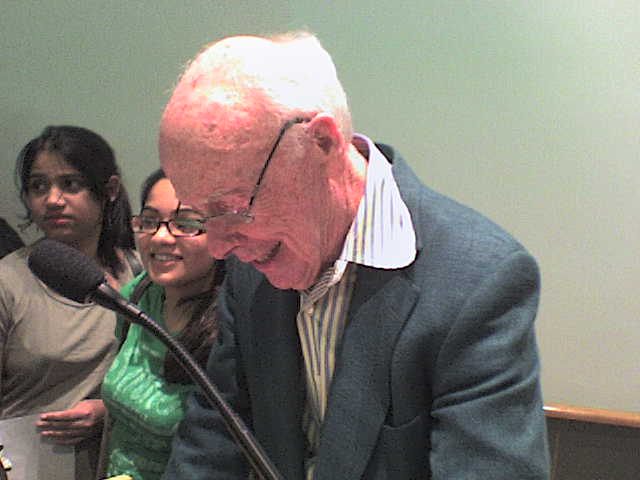
James D. Watson (born 1928) is an American molecular biologist and zoologist, co-discoverer of DNA's double helix, Nobel laureate and influential figure in 20th-century molecular biology.
Overview
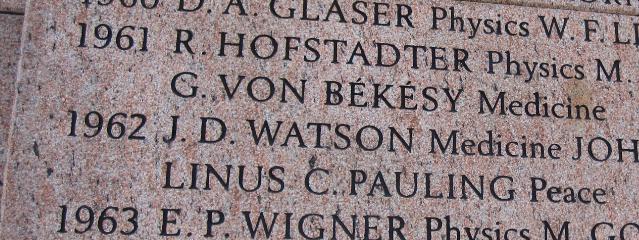
James Dewey Watson (born April 6, 1928) is an American scientist trained as a zoologist and widely known as a molecular biologist. He rose to international prominence for proposing, together with Francis Crick, a double‑helix model for the structure of DNA, a discovery that reshaped biological science and medicine. Watson shared the 1962 Nobel Prize in Physiology or Medicine with Crick and Maurice Wilkins for their work on nucleic acids and their role in heredity.
Image gallery
10 Images



Scientific contribution and significance
The Watson–Crick model explained how complementary base pairing could allow DNA to carry genetic information and be copied reliably during cell division. Their work built on X‑ray diffraction data produced by other researchers and on chemical insights about the component nucleotides of nucleic acids. The proposal provided a physical basis for understanding replication, mutation and the transfer of biological information, laying foundations for molecular genetics, biotechnology and modern medicine.
Career and institutions
Watson studied at the University of Chicago and at Indiana University before moving to the United Kingdom, where he worked at the Cavendish Laboratory of the University of Cambridge. There he met Crick and collaborated on the structural model. Later in his career he became a prominent laboratory director and administrator, associated for many years with Cold Spring Harbor Laboratory and with efforts that helped initiate large‑scale molecular projects including early steps toward sequencing the human genome.
Publications and public role
Watson authored and co‑authored scientific papers and books intended for specialists and a wider audience. His 1968 memoir, which recounts the scientific race to uncover DNA's structure, brought public attention to both the discovery and to the personalities involved. He also played a visible role in promoting molecular biology tools and research programs that shaped late 20th‑century life sciences.
Recognition, controversies and later life
In recognition of his scientific achievements Watson received the Nobel Prize and numerous honorary degrees—reported as 19 honorary doctorates—and many other awards. In later decades he attracted controversy for public remarks that prompted debate and resulted in his resignation from some institutional posts. These events have led to reassessments of his legacy that separate his scientific contributions from his public statements.
Legacy and notable facts
- Watson’s work with Crick provided the conceptual framework for modern genetics and biotechnology.
- The discovery emphasized the chemical basis of heredity and enabled rapid advances in molecular biology.
- Watson’s career illustrates both the collaborative and competitive nature of scientific discovery.
For introductions and further reading on Watson’s life and the discovery of DNA’s structure, consult archival and scholarly sources that document the scientific record and the context in which the work occurred. Additional institutional histories and biographies provide more detailed chronologies and perspectives on his scientific and public roles.
More on Watson · Biographical context · Ancestry and family background · DNA structure · Francis Crick · Maurice Wilkins · Nucleic acids · University of Chicago · Cavendish Laboratory
Author
AlegsaOnline.com James D. Watson: Co-discoverer of DNA's Double Helix Leandro Alegsa
URL: https://en.alegsaonline.com/art/140253