
Br'er Rabbit: The Trickster of Southern Folklore
Br'er Rabbit is a cunning trickster figure from Southern U.S. folk tales, rooted in African and Cherokee traditions. Famous from the Uncle Remus tales and later Disney adaptation, he wins by wit rather than force.
Br'er Rabbit is a central trickster figure in a body of vernacular stories that became widely known through the Uncle Remus collections. Presented as a small, quick-witted rabbit, he routinely outsmarts stronger opponents and avoids harm by relying on intelligence, deception, and a talent for turning danger into advantage. These tales are associated with the rural Southern United States but draw on older forms of storytelling that predate their nineteenth-century publication.
Image gallery
6 Images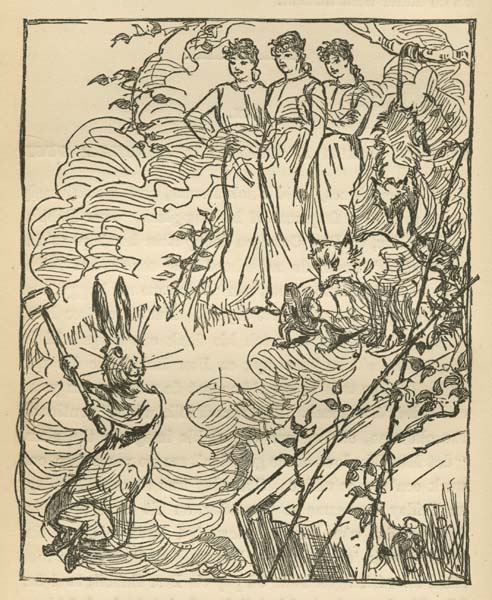


Origins and influences
The character and many of the episodes associated with Br'er Rabbit reflect a fusion of traditions. Many scholars trace core elements to West and Central African trickster figures — particularly hare characters — which enslaved people brought to North America. At the same time, similar rabbit-trickster motifs appear in indigenous storytelling, notably among the Cherokee, and oral exchange produced hybrid narratives that circulated in plantation and frontier communities. Over time these stories became embedded in local culture and oral repertoires.
The character and common motifs
Br'er Rabbit's defining trait is cunning. He rarely meets opponents in open combat; instead he relies on trickery, feints, storytelling, and psychological manipulation. Common devices in the cycle include feigned helplessness, clever reversals, and appeals to the vanity or greed of others. Typical antagonists include larger predators and authority figures that the rabbit must outwit:
- Foxes and wolves as predatory foil figures — for example the crafty fox or the menacing wolf.
- Trapping episodes and scenes where Br'er Rabbit talks his way out of capture.
- Stories that exploit the landscape, such as the famous briar-patch episode where the rabbit turns a threat into refuge.
Some individual tales are particularly well known and have entered wider cultural awareness. The "briar patch" story and the episode often called the "tar baby" (in which Br'er Rabbit gets entangled in a sticky figure and uses reverse psychology to escape) are characteristic examples that illustrate his reliance on quick thinking rather than brute strength.
Publication, adaptation, and controversy
In the late 1800s, editor and writer Joel Chandler Harris collected many of these oral tales and published them under the framing voice of "Uncle Remus"; these collections brought the stories to a national readership and connected the character with printed folklore (Uncle Remus stories). During the twentieth century Br'er Rabbit reached a wider audience through adaptations, most notably in a mid-century film sequence produced by Disney. Those adaptations helped popularize particular episodes but also sparked debate: critics have pointed to the racialized presentation of plantation life in some retellings and to the ethical implications of extracting Black oral culture into commercial forms.
Legacy and modern perspectives
Today Br'er Rabbit remains an important example of the trickster archetype in North American folklore. Researchers and storytellers study variants across regions and communities to understand transmission, resilience, and change in oral traditions. Contemporary retellings often attempt to preserve the clever spirit of the rabbit while reframing or contextualizing problematic historical settings. The figure continues to appear in children's books, scholarly work, and stage and oral performances, serving as a living link between African and Native American storytelling legacies and the evolving folklore of the American South.
For further reading and archived collections, many resources and editions cite the original compilations and later scholarship that trace how Br'er Rabbit moved from oral tale to printed folklore and mass media representation.
Questions and answers
Q: Who is Br'er Rabbit?
A: Br'er Rabbit is a character in the Uncle Remus stories in the Southern United States.
Q: How does Br'er Rabbit usually win or escape?
A: Br'er Rabbit usually wins or escapes because he is clever, not because he is strong.
Q: Where did Br'er Rabbit come from?
A: Br'er Rabbit came from both African and Cherokee cultures.
Q: What is Disney's use of Br'er Rabbit?
A: Disney used the character for their film The Song of the South.
Q: In what Cherokee story is Br'er Rabbit mentioned?
A: In a Cherokee story, "the fox and the wolf throw the trickster rabbit into a thicket from which the rabbit quickly escapes."
Q: How did the Cherokee rabbit-trickster influence Br'er Rabbit stories?
A: There was a "melding (mixing) of the Cherokee rabbit-trickster ... into the culture of African slaves." "In fact, most of the Br'er Rabbit stories originated in (came from) Cherokee myths."
Q: Why is Br'er Rabbit successful in Uncle Remus stories?
A: Br'er Rabbit is successful because of his cleverness.
Related articles
Author
AlegsaOnline.com Br'er Rabbit: The Trickster of Southern Folklore Leandro Alegsa
URL: https://en.alegsaonline.com/art/13951
Sources
- books.google.com : That the People Might Live: Native American Literatures and Native American Community
- chenocetah.wordpress.com : "Cherokee Place Names in the Southeastern U.S., Part 6 « Chenocetah's Weblog"