
Bunyip: Australian water spirit and folkloric creature
The bunyip is a legendary creature from Indigenous Australian oral traditions associated with lakes, swamps and rivers. Accounts vary widely; the figure entered colonial folklore and remains a symbol of mystery and caution.
The bunyip is a legendary creature from Australia, widely known in both Indigenous oral traditions and later European-settler folklore. Traditionally described as a dangerous spirit or monstrous being that inhabits wet places, the bunyip appears in many stories across the continent. In general descriptions it is linked to a mythical status and frequently identified within the framework of Australian mythology. Stories place the bunyip in watery environments such as swamps, billabongs, creeks, riverbeds and waterholes, where it serves both as a supernatural presence and a cautionary figure.
Image gallery
8 Images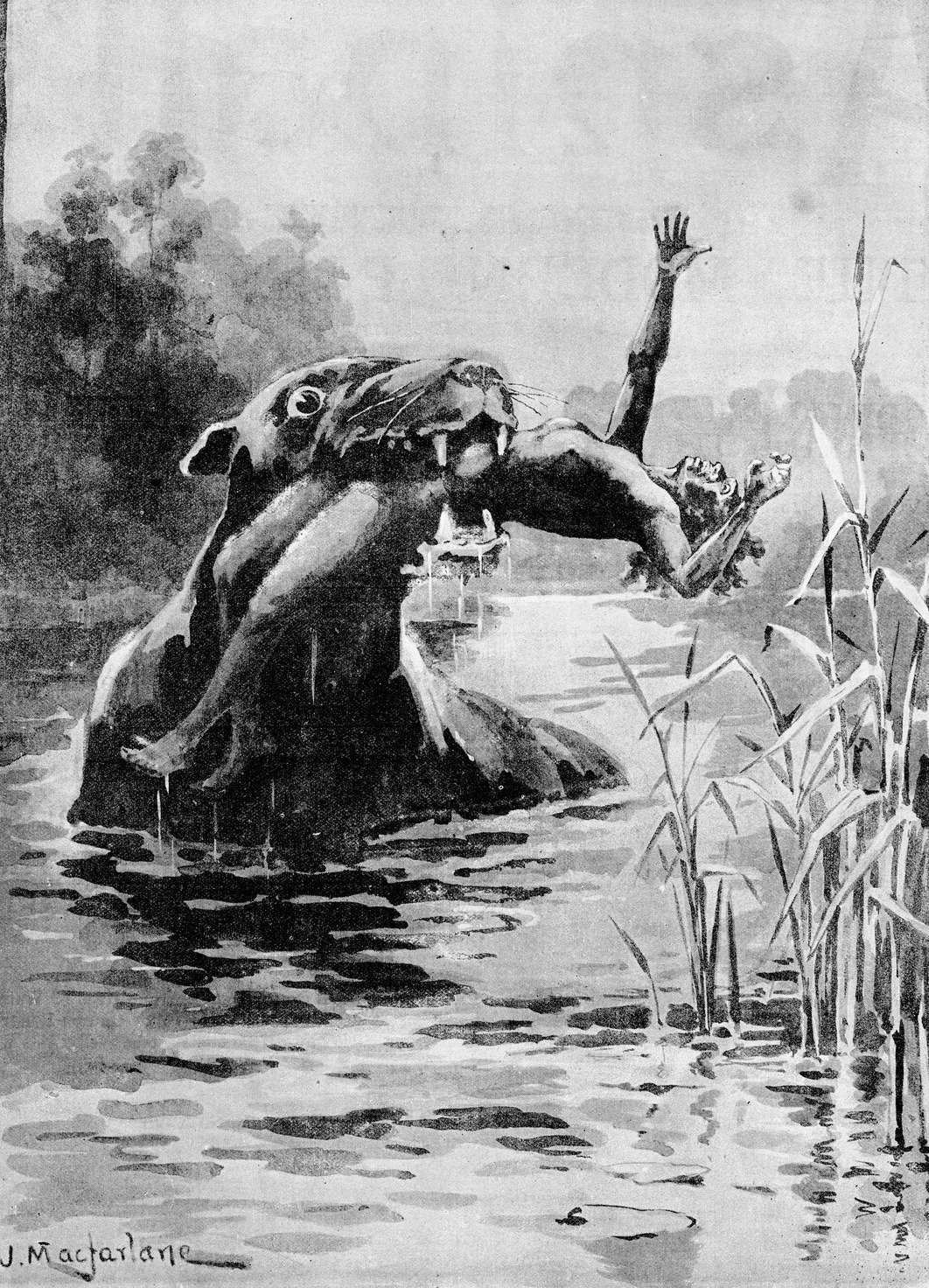



Names, regional traditions and meaning
Different Aboriginal language groups used varied names and descriptions for similar beings. For example, one name recorded in colonial sources is kianpraty from the Murrumbidgee area, while other regions spoke of creatures called wowee in the Hunter Valley or wee waa near Narrandera. The English term "bunyip" comes from a southeastern Australian language and has been translated in some sources as a kind of "devil" or "evil spirit". These names and meanings varied, reflecting the diversity of Indigenous cultures and the different roles the being played in stories: guardian, punisher, or warning against hazardous water.
Descriptions and physical characteristics
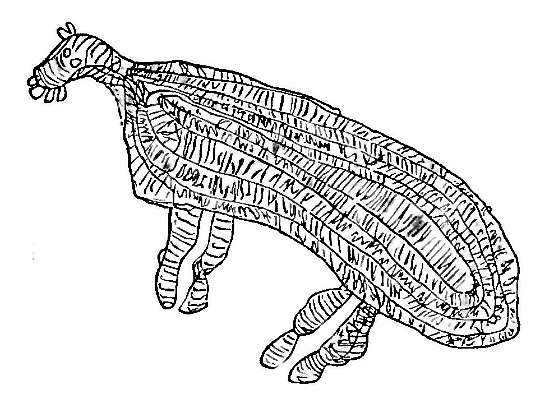
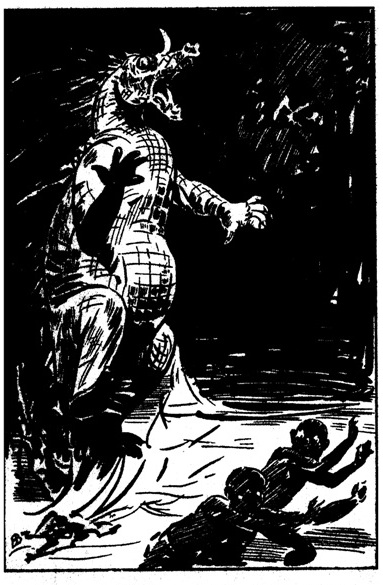
Descriptions of the bunyip are remarkably inconsistent, which has helped the creature remain mysterious. Colonial-era newspaper reports, travellers' journals and ethnographic records list attributes ranging from dark fur and a dog-like face with sharp teeth and claws to aquatic features such as flippers or a duck-like bill. Other accounts mention tusks or horns. Some early collectors and commentators observed that fear and the practical aim of warning children away from dangerous water made accurate description difficult; as one source summarized, witnesses were often too afraid to agree on details.
History of the bunyip in colonial Australia
During the 19th century European settlement, the bunyip entered colonial imagination both as folklore and as an alleged undiscovered animal. Numerous "sightings" and newspaper reports appeared across colonies such as Victoria, New South Wales and South Australia. These accounts mixed Indigenous stories, settler anxieties about the landscape and occasional misidentification of unfamiliar species or objects. The bunyip was sometimes invoked by parents and teachers as a deterrent to keep children from approaching dangerous waterholes; at the same time, its supposed physicality invited speculation that it might be an unknown animal rather than solely a spirit.
Origins, explanations and cultural significance
Scholars have suggested several possible origins for bunyip traditions. One line of thought links the stories to the memory of extinct Australian megafauna: the bones or fossils of large prehistoric marsupials could have inspired tales of monstrous water-dwellers. Comparisons have been drawn in speculative accounts to large extinct mammals such as Diprotodon and powerful carnivorous marsupials like Thylacoleo, while the broader category of prehistoric large animals is often referred to as megafauna. Another explanation is that Aboriginal people discovering fossilised remains offered interpretations that visitors misunderstood. Equally important, many Indigenous communities treat bunyip-like beings as spiritual or moral elements of cultural teaching rather than as physical zoological species.
Modern role and notable facts
Today the bunyip endures as a symbol of Australian folklore, appearing in literature, place names and popular culture. It is often invoked to evoke the mysterious quality of the bush and to acknowledge Indigenous storytelling traditions that predate colonisation. Interpretations range from cryptozoological curiosity to respected cultural motif. Academic and community approaches now emphasise respectful attention to the original Indigenous meanings and contexts of bunyip stories, distinguishing them from sensationalist or purely speculative accounts.
- Folklore function: warning about water hazards and reinforcing rules.
- Variation: widely different local names and descriptions across language groups.
- Colonial reception: many 19th-century settler reports mixed myth with natural-history curiosity and occasional misidentification.
- Scientific hypotheses: links to fossil remains and memories of extinct animals remain speculative but widely discussed.
For further reading and regional exemplars, some sources collected early accounts and place-name references; for general background and cultural context consult material that treats both Indigenous oral traditions and the colonial record. Many online and print resources link the bunyip to broader themes in Australian environmental folklore and prehistoric fauna; select entries and archival items can be found via research collections and local histories, for instance through resources associated with cultural institutions and regional studies (mythical creature, mythology, swamps, billabongs, creeks, riverbeds, Murrumbidgee, Hunter Valley, European settlement, Victoria, New South Wales, South Australia, teeth and claws, flippers, tusks, horns, duck-like bill, afraid, megafauna, marsupials, Diprotodon, fossilised).
Questions and answers
Q: What is the bunyip?
A: The bunyip is a mythical creature from Australian mythology. It is said to live in swamps, billabongs, creeks, riverbeds, and waterholes.
Q: What are some of the different names for the bunyip?
A: Different language groups have different names for the bunyip. These include kianpraty along the Murrumbidgee, wowee in the Hunter Valley, wee waa in the Narrandera region, as well as many other names. The name bunyip comes from the Wemba-Wemba language of southeastern Australia and is normally translated today as "devil" or "evil spirit".
Q: How did Europeans view the bunyip during early settlement?
A: During early settlement of Australia by Europeans, it was believed that the bunyip was an actual unknown animal that had yet to be discovered. A large number of sightings were recorded during this time period and various written stories were made about them.
Q: What features are often reported in descriptions of a bunyip?
A: Features that are often reported in descriptions of a bunyip include dark fur, a face like a dog, sharp teeth and claws, flippers, tusks or horns and a duck-like bill.
Q: How did Robert Brough Smyth record information about what a Bunyip looks like?
A: Robert Brough Smyth recorded many different descriptions of what people thought a Bunyip looked like but he concluded that most people did not really know much about its appearance or behaviour because they were too afraid to take note of it properly.
Q: What do scholars suggest may be behind stories about Bunyips?
A: Scholars have suggested that stories about Bunyips may have been passed down from when megafauna still existed in Australia and comparisons have been made between extinct marsupials such as Diprotodon or Thylacoleo with Bunyips. Additionally some scholars suggest that people finding fossilised remains would identify them as being Bunyips.
Related articles
Author
AlegsaOnline.com Bunyip: Australian water spirit and folkloric creature Leandro Alegsa
URL: https://en.alegsaonline.com/art/15353
Sources
- commons.wikimedia.org : Bunyip
- books.google.com : Austral English; A Dictionary of Australasian words, Phrases and Usages
- pandora.nla.gov.au : "Biami and the Bunyip"
- pool.abc.net.au : "The Bunyip and Inland Seal Archive of Australia"