
Canton of St. Gallen
St. Gallen is a northeastern Swiss canton of varied landscapes—lake shore, pre-Alps and high mountains—centered on the city of St. Gallen and known for its abbey, textile history and German-speaking population.

Overview
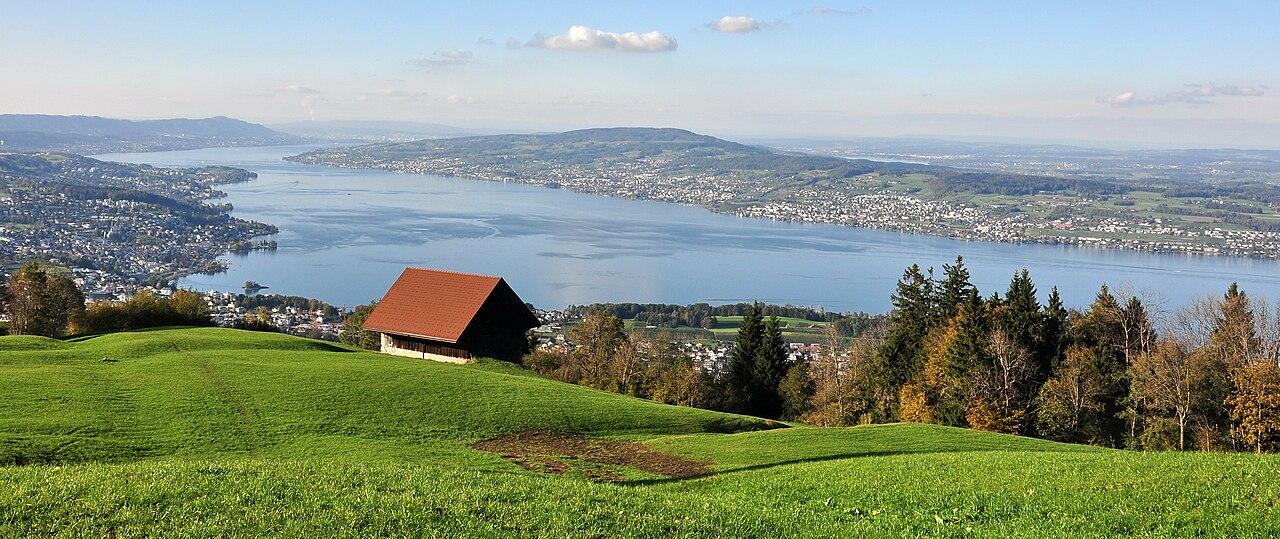
The Canton of St. Gallen occupies a large portion of northeastern Switzerland. It combines lowland areas along Lake Constance with rolling pre-Alpine foothills and higher Alpine peaks to the south. The canton’s largest urban centre and administrative hub is the city of St. Gallen, which grew historically around a Benedictine abbey and remains its cultural focal point.
Image gallery
10 Images



Geography and neighbours
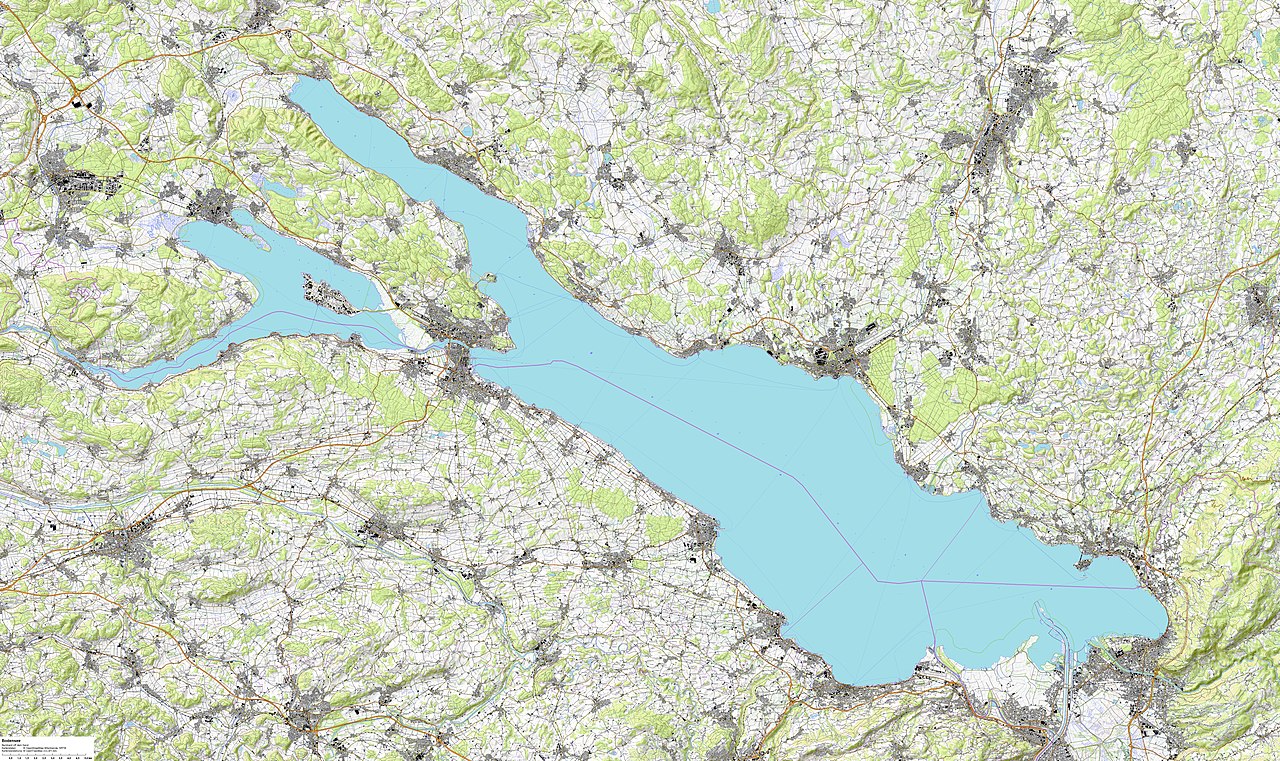
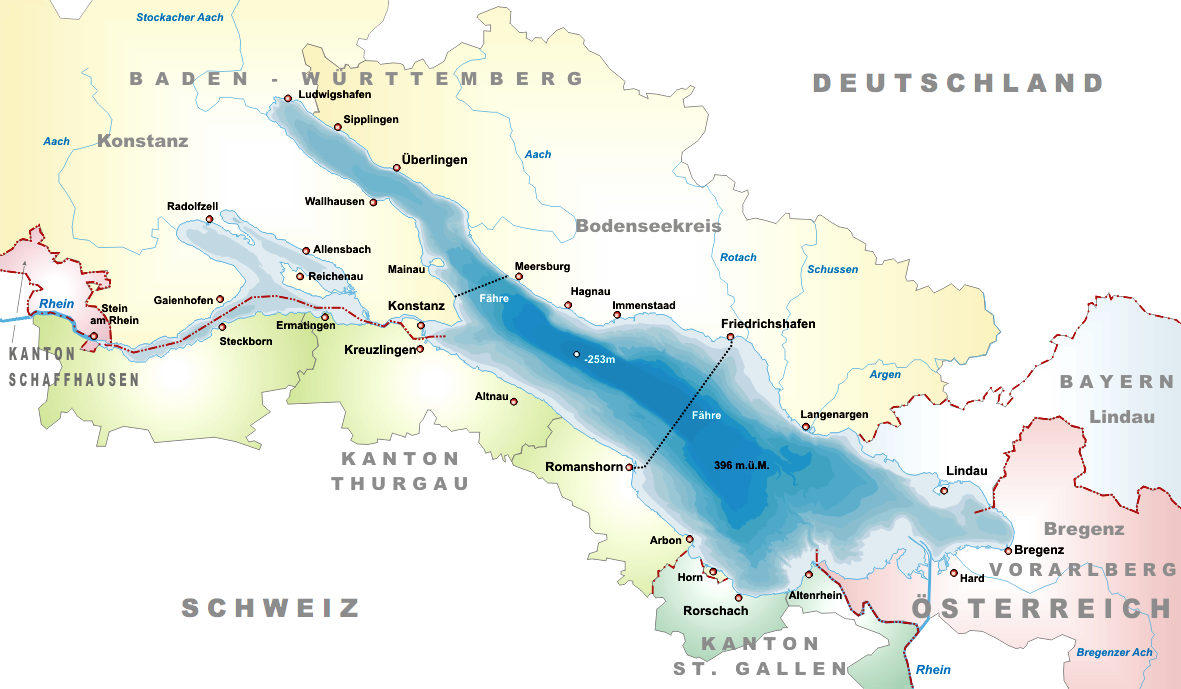
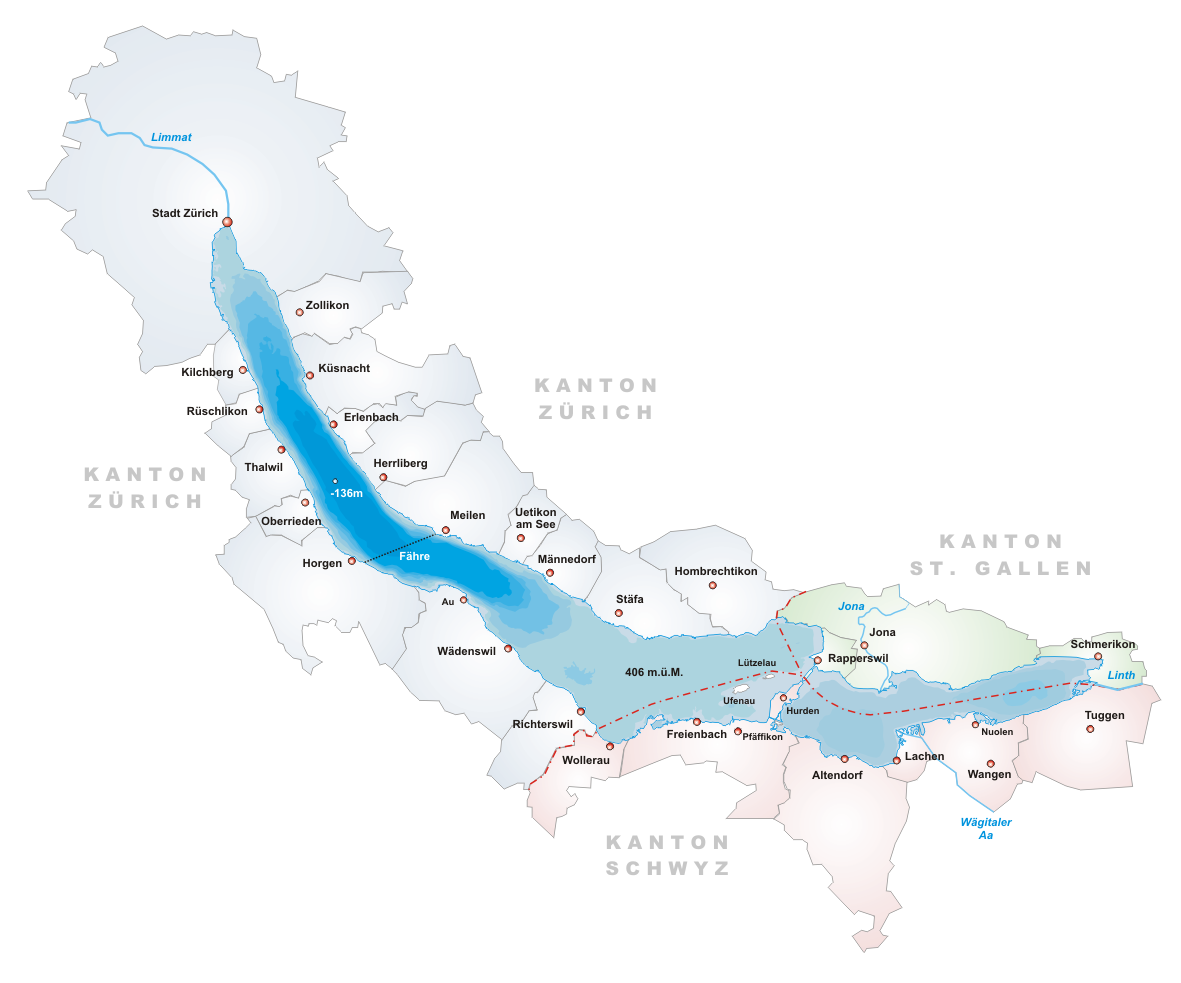
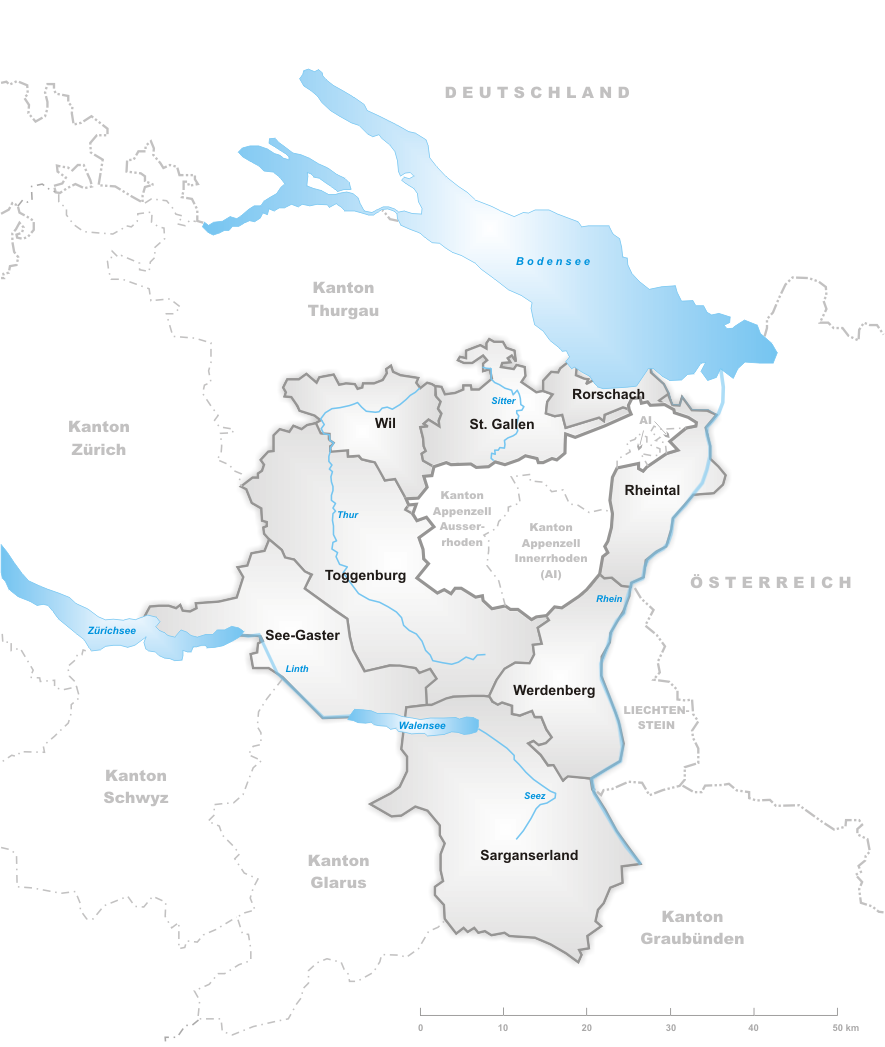
St. Gallen sits in a transition zone between the Swiss Plateau and the Alps. To the north it reaches the shores of Lake Constance, and along its eastern edge the course of the Rhine helps define part of the border. The canton borders several Swiss cantons and two countries. Neighbouring Swiss cantons include Thurgau to the north, Zurich to the west (note: the label canton is used generally), and to the south and southwest the mountain cantons such as Schwyz and Graubünden are within easy reach. To the east St. Gallen borders the countries of Austria and Liechtenstein. Two small cantons, Appenzell Innerrhoden and Appenzell Ausserrhoden, are enclaves surrounded by territory of St. Gallen.
Landscape and climate
The canton contains a range of elevations: lake shorelines and cultivated valleys in the north, forested hills and passes in the middle, and higher alpine terrain to the south. Prominent summits rise above the tree line and offer panoramic views; one well-known peak in the region is the Säntis (close to 2,500 metres). The climate varies with altitude, producing milder conditions near the lake and colder, snowier winters in the highlands.
History and development
Modern St. Gallen was established as a Swiss canton during the political reorganisations of the early 19th century and is commonly dated to 1803. Its history, however, reaches back much further: the city grew around the medieval Abbey of Saint Gall, an important religious and intellectual centre whose manuscript collection and library are celebrated throughout Europe. Over centuries the area’s economy diversified from agriculture into artisan and small-scale industrial production, most famously textiles and embroidery linked to the city.
Population, language and economy
The population of the canton has grown over time; figures recorded around 2002 were on the order of a few hundred thousand inhabitants, and the canton now supports a larger, more urbanised population concentrated around the city of St. Gallen. The dominant spoken language is Swiss German (in its regional dialects). Economically the region combines services and education in the urban centres, light industry and textiles in historic towns, and tourism and agriculture in the alpine and lakeside areas.
Administration, culture and notable facts
Administratively the canton is divided into municipalities that manage local affairs; the city of St. Gallen acts as a cultural and administrative centre. Cultural highlights include the former abbey complex and its library (widely recognised for medieval manuscripts), regional textile and embroidery traditions, and outdoor recreation in both summer and winter. The canton’s mixture of lakeshore, hills and high mountains makes it geographically diverse and important for cross-border transport and tourism between Switzerland and neighbouring states such as Austria and Liechtenstein.
Author
AlegsaOnline.com Canton of St. Gallen Leandro Alegsa
URL: https://en.alegsaonline.com/art/136082