
Bow collector: an electric current pickup used on trams
A bow collector is a roof-mounted device that transfers electric current from overhead conductors to trams. Once widespread in Europe, it has largely been superseded by the pantograph.
Overview
A bow collector is a roof-mounted current-collection device used on electric rail vehicles, particularly historic and early 20th-century tramcars. It conducts electrical power from an overhead conductor to the vehicle's motors. As a contact device it bridges the moving vehicle and the fixed supply suspended above, providing a continuous electrical path for traction and auxiliary systems.
Image gallery
4 Images


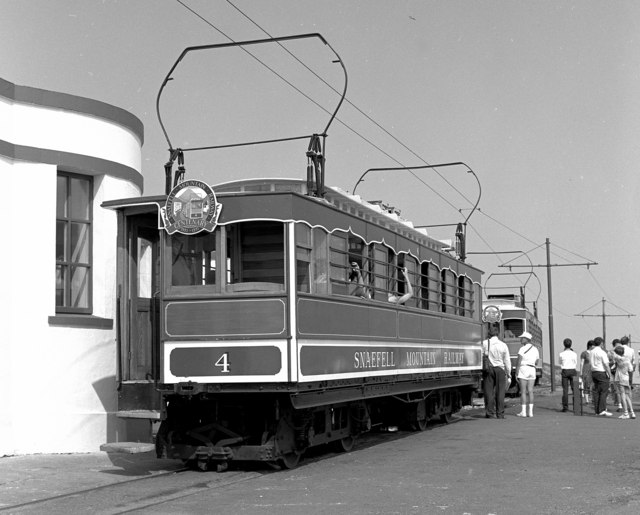
Design and components
Structurally, a bow collector consists of a curved metallic frame — the "bow" — that bears a contact strip or shoe along its upper edge. The bow is mounted on an insulated support so that the collected electric current passes into the vehicle electrical system. Springs or counterweights keep the contact in steady pressure against the wire while permitting vertical movement as the tram negotiates uneven track or wire height. The entire assembly is designed to be simple, robust and relatively light.
History and development
Bow collectors were widely adopted on street railways in many cities, especially across continental Europe, during the early electrification period. They offered a practical alternative to earlier trolley pole arrangements and predated the more sophisticated folding pantograph. Over time, improvements to contact materials and mounting reduced wear and arcing, but their basic form remained recognizable.
Operation, uses and examples
In operation the bow slides along the underside of the overhead conductor, which is normally a single contact wire or a simple multi-wire arrangement. The device was suitable for urban tram networks where modest speeds and frequent stops limited dynamic uplift. Many preserved heritage trams still use original bow collectors as part of authentic restorations. Modern systems, however, typically favor other collectors for higher speeds and reliability.
Comparison and legacy
Compared with alternatives, the bow collector offered greater contact width than a narrow trolley shoe but was simpler than many early pantographs. Today it has largely been superseded by the folding pantograph, which provides improved contact at higher speeds and easier maintenance. The bow remains of interest to historians and preservationists and occasionally to operators of light rail seeking simple equipment.
Notable distinctions and maintenance
- Advantages: simple construction, gentle contact pressure, ease of repair.
- Limitations: sensitivity to wire height variation and more wear at higher speeds.
- Maintenance: contact strips are periodically inspected and replaced; alignment with the overhead lines is checked to reduce sparking.
For background reading on tram current-collection systems and comparative technology, see general works on urban rail electrification and archival materials held by transport museums and enthusiasts. Technical descriptions and examples may be found in vehicle maintenance manuals and preservation society publications.
Further resources and historical inventories are available through specialty archives and online collections; many articles and museum catalogues provide illustrations and detailed accounts of bow collectors in service tramcar fleets and heritage operations (European collections are particularly well documented).
Contemporary discussions of current-collection technology often contrast the bow collector with pole and pantograph designs, noting trade-offs in simplicity, wear, and operational limits for modern light-rail networks. For schematic diagrams and technical comparisons, consult transportation engineering texts and historical tramway references.
Related articles
Author
AlegsaOnline.com Bow collector: an electric current pickup used on trams Leandro Alegsa
URL: https://en.alegsaonline.com/art/13442