
Box truck (cube truck) — design, uses, history, and variants
A box truck is a light- to medium-duty vehicle with a rectangular cargo body. This article explains its design, common features, history, typical uses, and how it differs from vans and flatbeds.
Overview
A box truck, also called a cube truck or box van, is a vehicle in which a cuboid cargo compartment is mounted to a truck or van chassis. It combines a separated enclosed cargo box with a driver cab and is widely used where protected, easily loaded freight is needed. Many manufacturers produce box-body configurations on commercial chassis; typical examples include models built on the platforms of an Isuzu NPR or a larger Ford medium-duty chassis. Smaller units may be derived from a light commercial van while heavier examples use purpose-built truck frames.
Image gallery
6 Images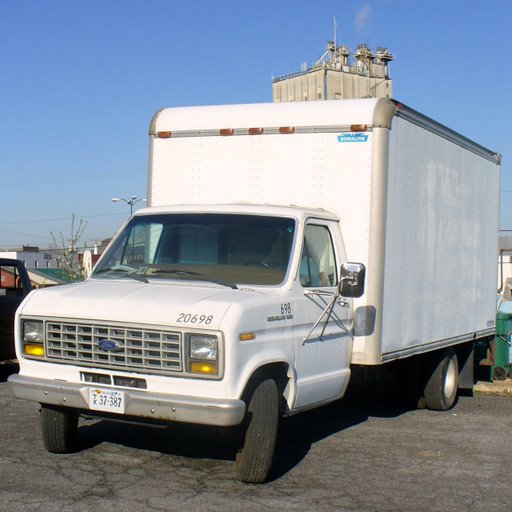


Design and common components
The defining feature is the rectangular cargo body, which may be constructed from aluminum, steel, or composite panels. Typical features include a roll-up or swing rear door, internal tie-down points or e-track rails, and options such as liftgates, side access doors, and insulated or refrigerated units for perishable goods. The body attaches to a chassis that contains the engine, transmission, and suspension; this layout allows a wide range of body sizes and payload capacities without changing the driving cab.
History and development
Box-style bodies evolved from early delivery wagons and goods vans as motorized transport replaced horse-drawn vehicles. Over the twentieth century, commercial bodybuilders standardized modular box bodies that could be mounted to different chassis. Improvements in lightweight materials, climate control, and loading equipment expanded their role from local deliveries to regional distribution and specialized trades.
Uses and importance
Box trucks serve moving companies, parcel and furniture delivery, event logistics, and trade services carrying tools and parts. Their enclosed cargo space protects goods from weather and theft while simplifying stacking and pallet loading. Many businesses prefer box trucks for urban routes because they balance capacity with maneuverability compared with larger tractor-trailer rigs.
Variants and distinctions
- Light/medium box trucks: based on light truck or heavy-duty van chassis; often used for local deliveries.
- Medium/heavy box trucks: built on stronger frames for larger payloads and longer routes.
- Refrigerated box trucks: insulated bodies with active refrigeration for perishables.
- Cutaway or chassis-cab installations: allow custom bodies to be fitted by third-party builders.
Notable examples and operating considerations
Popular chassis and nameplates commonly seen with box bodies include commercial variants of the box style mounted on platforms like the Chevrolet Silverado 3500HD and medium-duty Ford and Isuzu models. Compared with large heavy trucks, box trucks usually deliver better fuel economy and lower maintenance costs, but they remain subject to commercial licensing, insurance, and weight-based regulations that vary by jurisdiction.
Related articles
Author
AlegsaOnline.com Box truck (cube truck) — design, uses, history, and variants Leandro Alegsa
URL: https://en.alegsaonline.com/art/13486