
Alfredo Lim — Filipino politician and former law‑enforcement official
Alfredo Lim (1929–2020) was a Filipino politician and former police officer, mayor of Manila, and senator, known for a hard‑line anti‑crime approach and controversial law‑and‑order policies.
Overview
Alfredo Siojo Lim (Chinese: 林雯洛; pinyin: Lín Wénluò; 21 December 1929 – 8 August 2020) was a Filipino public official and politician. He rose from a background in law enforcement to become a prominent municipal leader and national legislator in the Philippines. Lim served two nonconsecutive stretches as Mayor of Manila (1992–1998 and 2007–2013) and was a member of the Senate from 2004 to 2007. He was a high‑profile presidential candidate in 1998 and repeatedly contested Manila mayoral elections against Joseph Estrada, a former actor and national leader Joseph Estrada (also referenced as a former president).
Image gallery
6 Images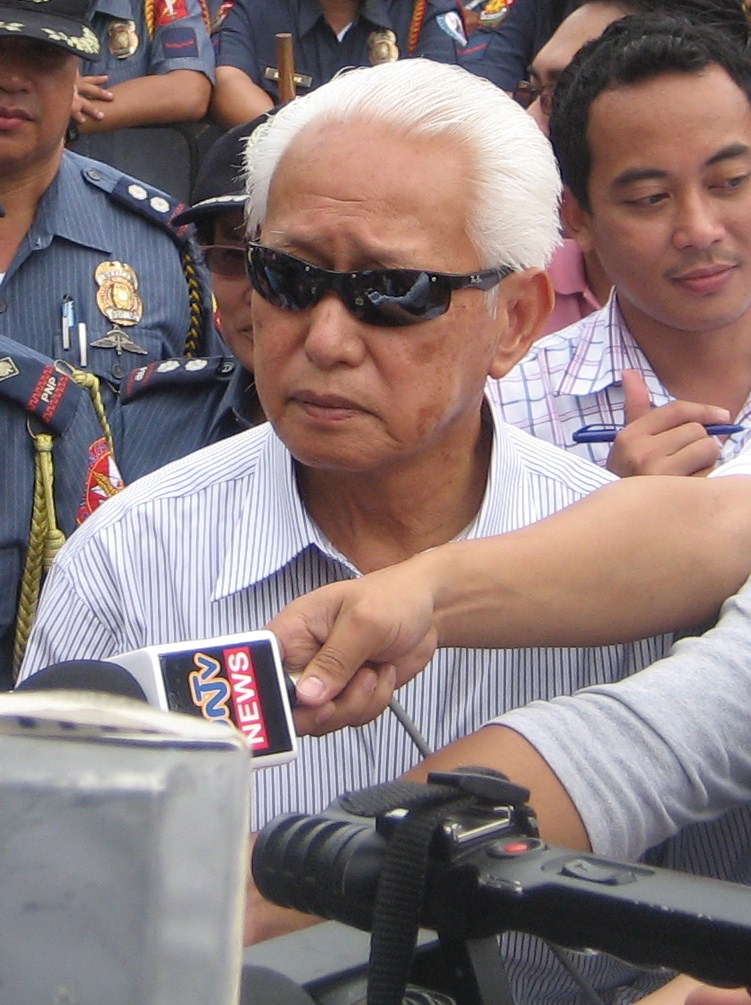


Career and public roles
Lim began his public service career in law enforcement and became known for a tough, visible approach to crime prevention. He rose through police ranks and later held senior investigative responsibilities at the national level. His law‑and‑order persona earned him nicknames emphasizing toughness on criminality and illegal substances. Building on this reputation, he transitioned into elected office and municipal administration, emphasizing public safety and enforcement as central themes of his mayoral terms.
Policies and public image
As mayor, Lim prioritized measures framed around restoring order in public spaces, reducing street crime, and imposing stricter enforcement against illegal activities. Supporters credited him with bringing more visible police presence and decisive action in high‑crime districts; critics accused some elements of his approach of tolerating heavy‑handed tactics and raising concerns about civil liberties. His political brand was strongly associated with anti‑crime rhetoric, which shaped both his governance style and how voters perceived him.
Elections, national role, and controversies
Lim ran for president in 1998 but was not elected; that campaign was won by rival candidate Joseph Estrada. He won a seat in the national legislature in 2004, serving in the Senate before returning to municipal leadership in Manila. His career included repeated high‑profile electoral contests with Estrada for control of the city government. Throughout his public life, Lim attracted both praise for decisiveness and criticism for methods perceived by some as excessively punitive. These debates over style and substance were a persistent feature of his public image.
Later life and death
After leaving elected office, Lim remained a notable figure in Manila politics and public discourse. In August 2020 he was hospitalized in Manila after being diagnosed with COVID‑19, and he died on 8 August 2020 at the age of 90. His passing prompted reflections from supporters and detractors alike about urban governance, crime policy, and the political history of the capital.
Legacy and significance
- Legacy: remembered for a career that bridged policing and politics, and for a front‑line approach to public safety.
- Contested record: praised for visible action against crime, criticized for alleged excesses and human‑rights concerns.
- Role in Manila's history: one of the city’s better‑known mayors of the late 20th and early 21st centuries, whose policies influenced subsequent debates on urban law enforcement.
For further reading on his life and political context, consult contemporary news reports and biographical summaries from reputable sources. Additional archival material is available through public records and legislative histories.
Author
AlegsaOnline.com Alfredo Lim — Filipino politician and former law‑enforcement official Leandro Alegsa
URL: https://en.alegsaonline.com/art/134292