
Filipinos: People, language, culture, and global presence
An overview of Filipinos: identity, languages, cultural influences, history, religion, and the global Filipino community.
Overview
Filipinos are the people native to or citizens of the Philippines, an archipelagic nation in Southeast Asia. The term describes a diverse population with roots in many ethnic groups, maritime traditions, and external influences accumulated over centuries. Filipino identity can be civic (citizenship) as well as ethnic, and it exists both within the Philippine islands and in significant diasporic communities around the world.
Image gallery
10 Images



Language and identity
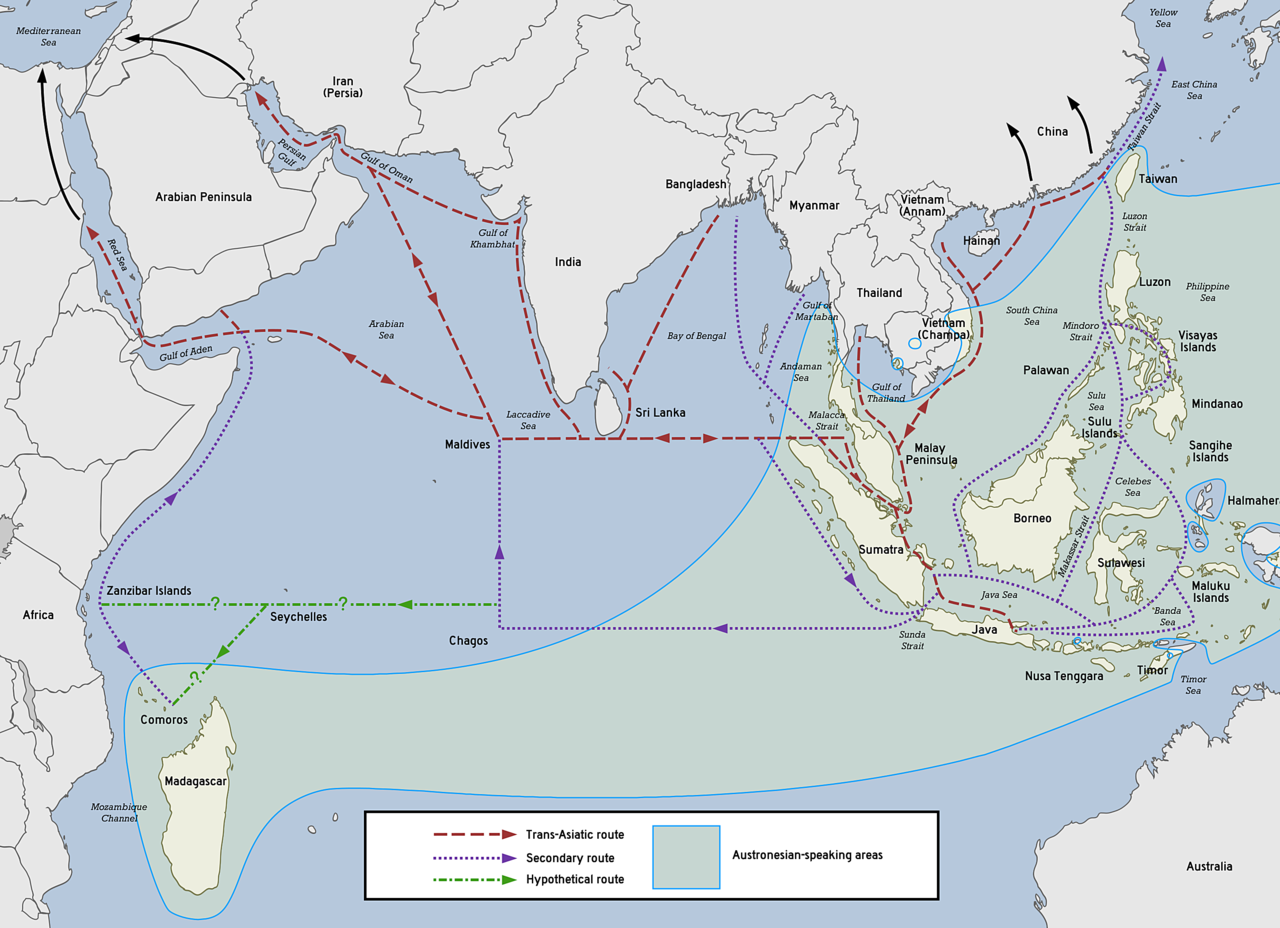
Language is a central marker of Filipino identity. The national language, Filipino, is based on Tagalog and serves alongside English as an official language. Numerous other Philippine languages belonging to the Austronesian family are widely spoken; they include distinct regional tongues that function as primary languages for millions.
- Major languages: Filipino (based on Tagalog), Cebuano, Ilocano, Hiligaynon, Waray, and others.
- English is commonly used in education, government, business, and media.
Religion and demographics
Religious affiliation shapes many social and cultural practices. Most Filipinos identify as Christian, predominantly Roman Catholic, with sizeable Protestant communities and other Christian denominations. A significant Muslim minority is concentrated primarily in parts of Mindanao and nearby islands. Indigenous beliefs and syncretic practices also persist in some communities. For broader context on religious influence, see Christian traditions.
History and cultural influences
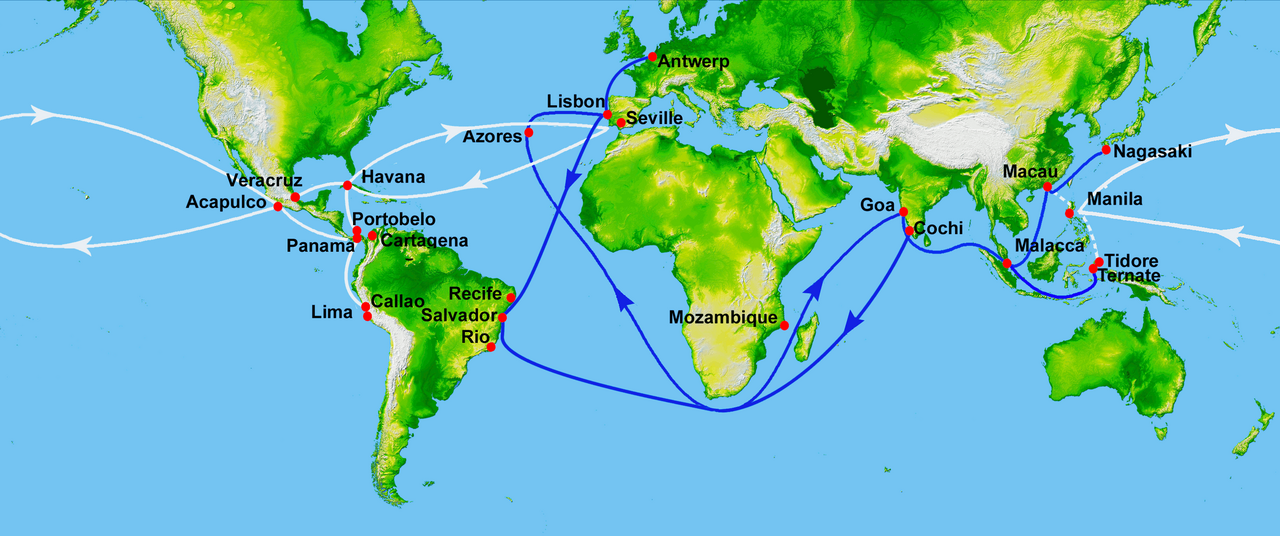
Filipino culture reflects a blend of indigenous Austronesian heritage with centuries of foreign contact. Precolonial maritime societies traded across Asia, while later Spanish and American colonial periods introduced Christianity, legal institutions, educational systems, and new cultural forms. These layers produced distinctive art, cuisine, festivals, and family practices that vary by region.
Society, economy, and diaspora
Contemporary Filipino society is urbanizing and connected globally. Many Filipinos work abroad as part of a large international diaspora, contributing to economies at home through remittances and cultural exchange. Within the Philippines, economic activities range from agriculture and informal labor to services, technology, and creative industries.
Distinctive features and notable facts
Notable aspects include a rich tradition of community celebrations (fiestas), strong family networks, and multilingual fluency. Gendered forms of demonyms exist in Philippine languages (e.g., Filipino and Filipina), though usage varies by context. For geographic and civic information, see the entry on the Philippines.
Overall, Filipinos represent a plural and evolving identity shaped by local traditions, colonial history, global ties, and ongoing cultural innovation.
Questions and answers
Q: Where are Filipinos from?
A: Filipinos are from the Philippines, a country in Southeast Asia.
Q: What languages do Filipinos speak?
A: Filipinos speak any of the Philippine languages, and most also speak English as a second language in addition to their native language.
Q: What is the religion of most Filipinos?
A: Most Filipinos are Christian.
Q: Is there a Muslim population in the Philippines?
A: Yes, there is a Muslim minority in Mindanao, a southern region of the Philippines.
Q: What cultural influences have contributed to Filipino culture?
A: Filipino culture is a blend of Spanish, American, and indigenous cultures due to colonial influence.
Q: What is the official language of the Philippines?
A: The official language of the Philippines is Filipino, which is primarily based on Tagalog.
Q: How many different Philippine languages are there?
A: There are around 170 different Philippine languages spoken throughout the country.
Related articles
Author
AlegsaOnline.com Filipinos: People, language, culture, and global presence Leandro Alegsa
URL: https://en.alegsaonline.com/art/34307
Sources
- ethnologue.com : List of Spoken Languages in the Philippines
- pinas.dlsu.edu.ph : Culture of the Philippines