
2020 China–India skirmishes: Galwan Valley and border standoff
A summary of the 2020 military confrontations between China and India along the Line of Actual Control, including locations, reported casualties, diplomatic responses, and strategic implications.
Overview
The 2020 China–India skirmishes were a series of tense military confrontations between the armed forces of China and India along their disputed Himalayan frontier. Beginning in May 2020, these incidents involved patrol clashes, prolonged face-offs, and at least one violent melee that resulted in fatalities. The events took place where the two sides’ mutually differing perceptions of the Line of Actual Control led to repeated friction.
Image gallery
10 Images

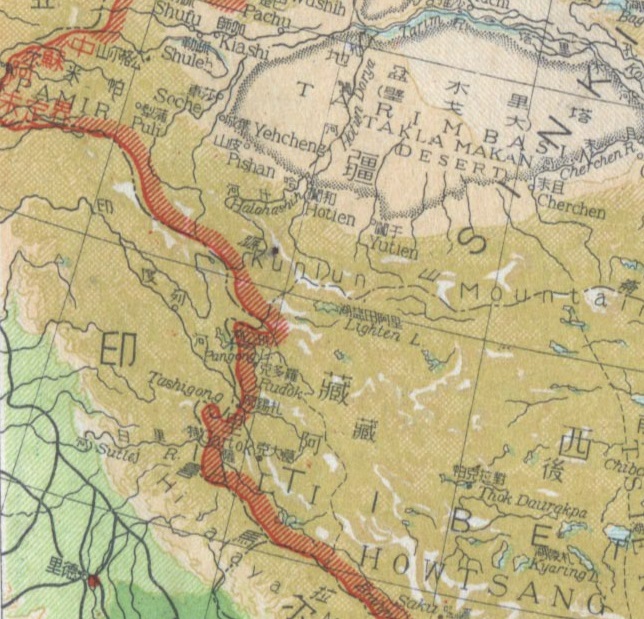


Key locations and features
Confrontations occurred at several high-altitude sites along the de facto border, most prominently the Galwan Valley in eastern Ladakh. Other flashpoints included areas around Pangong Lake and passes in Sikkim such as Nathu La. These locations lie along the contested Line of Actual Control, a frontier whose alignment has been a source of dispute since the 1962 Sino-Indian War.
What happened and reported casualties
On 15–16 June 2020, troops engaged in hand-to-hand fighting in the Galwan area; this encounter is frequently cited as the most serious violent episode during the standoff. Indian official statements confirmed the death of 20 Indian soldiers. Reports about Chinese casualties have varied: some Indian media and other sources cited dozens of Chinese dead or wounded, while other accounts, including foreign reporting of intelligence estimates, produced different figures. Both governments were cautious in publicly confirming opposing-side losses; many exact numbers remain contested or unverified.
Diplomatic and military response
The clashes prompted intensive diplomatic exchanges and military talks aimed at de-escalation. After several rounds of negotiations, commanders on both sides reached partial disengagement arrangements in some sectors by June 2020, although tensions and forward deployments persisted in others. The episode renewed attention on prior confidence-building protocols and patrol agreements that seek to manage incidents along the frontier.
Strategic context and wider implications
- Border ambiguity: The LAC is not a mutually agreed, surveyed boundary; differing maps and patrol lines make accidental encounters more likely.
- Infrastructure and posture: Both countries had been improving roads, airstrips and logistics near the frontier, which changed force deployment dynamics.
- Political and economic fallout: The standoff influenced domestic political discussions, bilateral exchanges, and public sentiment in both countries.
- Diplomatic process: The incident underlined the importance of military-to-military communication and diplomatic mechanisms to avoid escalation.
Notable facts and distinctions
The violence of mid-June 2020 differed from prior shootouts in that it reportedly involved close-quarters combat without the use of firearms, reportedly because both sides had longstanding rules aimed at avoiding gunfire along the disputed frontier. The episode highlighted the limits of existing agreements and renewed efforts to clarify procedures for patrols and disengagement.
Aftermath and continuing significance
Although some sectors saw withdrawal of forward forces after June 2020, the incident had lasting effects on bilateral relations and military planning. Subsequent diplomatic and military talks over months sought to normalize the situation and prevent further violent clashes. Analysts and policymakers have cited the standoff as a reminder of how ambiguous borders, strategic competition, and improved frontier infrastructure can combine to create dangerous flashpoints.
Further reading and sources often refer to the principal actors and places involved: China, India, the Galwan clashes described as hand-to-hand combat, the area around Pangong Lake, the Nathu La pass region, issues around the Line of Actual Control, and the legacy of the 1962 conflict.
Questions and answers
Q: What is the 2020 China-India Skirmishes?
A: The 2020 China-India Skirmishes are part of an ongoing military standoffs between China and India. Since 5 May 2020, Chinese and Indian troops have reportedly engaged in aggressive actions, face-offs, and other kinds of intense military action at locations along the Sino-Indian border.
Q: What happened on 16 June 2020?
A: On 16 June 2020 there was hand-to-hand combat which resulted in the death of 20 Indian soldiers (including an officer), Indian media sources have so far claimed that at least 43 Chinese soldiers were either dead or injured (including the death of an officer) while US intelligence sources reportedly believe that 35 Chinese soldiers are dead, including a senior officer.
Q: Where did this clash take place?
A: Incidents took place near the Pangong Lake in Ladakh and the Nathu La pass in Sikkim. In addition, face-offs are ongoing at locations in eastern Ladakh, along the Line of Actual Control (LAC) which was the result of the 1962 Sino-Indian War. According to some reports, China captured 60 km2. of Indian-patrolled territory between May and June 2020.
Q: Has India admitted publicly to its citizens that Chinese PLA troops have trangressed their territory?
A: No, between this clash, the Indian government hasn't admitted publicly to Indian citizens that Chinese PLA troops have trangressed their territory.
Q: What document was published by Ministry of Defense website of India on 6 August 2020?
A: On 6 August 2020 one such document was published in Ministry of Defense website of India claiming that the current clash is expected to be prolonged. This document was taken down by official website shortly after it was posted online.
Q: Why has this military standoff occurred according to S Jaishankar?
A: According to S Jaishankar, External Affairs Minister for India, this military standoff is a result Beijing not following existing agreements between both countries.
Author
AlegsaOnline.com 2020 China–India skirmishes: Galwan Valley and border standoff Leandro Alegsa
URL: https://en.alegsaonline.com/art/133775