
2004 Republican National Convention
The 2004 Republican National Convention formally nominated George W. Bush and Dick Cheney for re‑election. It was held Aug 30–Sep 2, 2004 at Madison Square Garden in New York City and included a Reagan tribute.
Overview
The 2004 Republican National Convention was the party's presidential nominating event held from August 30 to September 2, 2004. The gathering formally reaffirmed the Republican Party's ticket and platform for the general election by nominating President George W. Bush and Vice President Dick Cheney. As a national political convention, it served to rally supporters, present the party agenda, and showcase leading elected officials from across the United States.
Image gallery
10 Images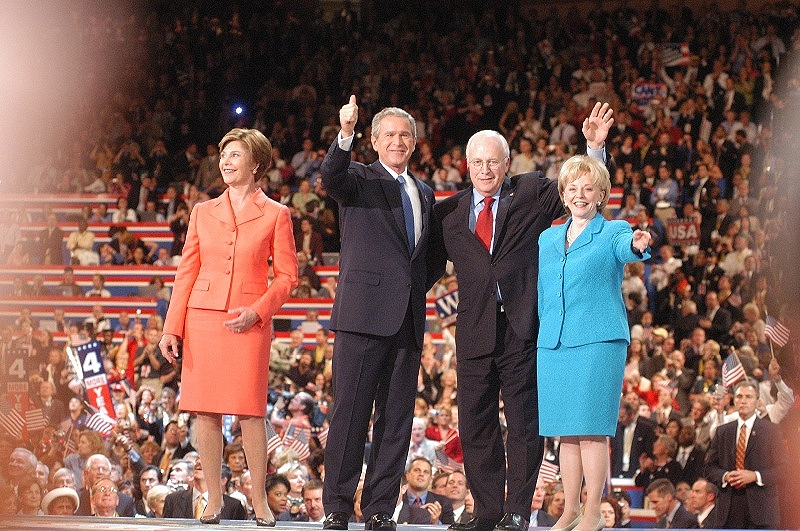






Location and context
Organizers selected Madison Square Garden as the primary venue. The convention took place at Madison Square Garden in New York City, a choice that drew attention because major party conventions are typically held in different types of host cities. The event combined indoor stage sessions with extensive media coverage, satellite interviews, and coordinated public events in the surrounding area.
Functions and proceedings
Like other national conventions, the 2004 gathering fulfilled several formal and informal roles. Delegates cast ballots, party officials presented and ratified an official platform, and the nominee delivered an acceptance address. The convention also provided a concentrated period for advertising, fundraising, and television messaging as the campaign moved into its final months.
- Formal nomination and roll-call voting (convention proceedings)
- Adoption of the party platform and policy statements
- Principal speeches, endorsements, and media appearances
- Public demonstrations, security measures, and civic responses
Speeches, tributes, and notable elements
Speakers at the convention included national and state leaders who presented arguments in support of the ticket and explained policy priorities. The program featured a televised tribute shown during the convention to former President Ronald Reagan, and delegates and commentators highlighted Reagan's political legacy. The convention stage was used for both scripted addresses and moments intended to convey unity and momentum.
Security, public reaction, and legacy
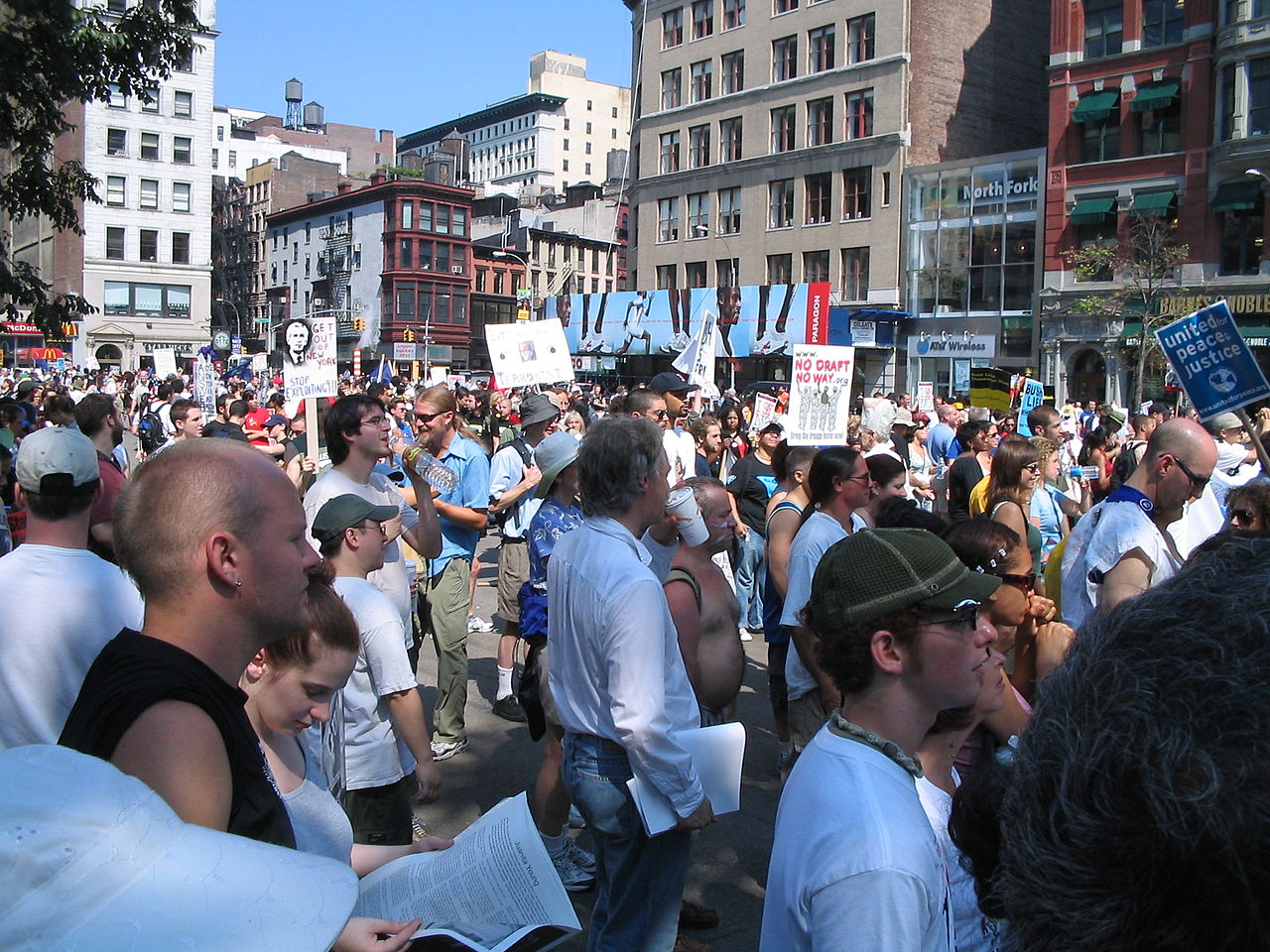
Holding a major party convention in a large urban center required heightened security planning and coordination among local and federal agencies; demonstrations and protest activity were anticipated as part of the event's public dimension. Historically, the 2004 convention is remembered as the venue where the sitting president and vice president were formally renominated and as a focal point of the fall campaign. For further context on the Republican Party and conventions in the U.S., see material produced by the party and civic sources that document nominating processes and campaign calendars (Republican Party, tribute coverage).
Author
AlegsaOnline.com 2004 Republican National Convention Leandro Alegsa
URL: https://en.alegsaonline.com/art/133607