
2000 Pacific hurricane season
Summary of the 2000 Pacific hurricane season, its notable storms, impacts on Mexico and Hawaii, and key characteristics and records, including Hurricane Carlotta and maritime losses.
The 2000 Pacific hurricane season was a period of tropical cyclone activity in the eastern and central North Pacific. The season produced a number of named storms, but only a few produced noteworthy effects on land or shipping. In the eastern Pacific basin, tropical systems typically originate from disturbances that move off Central America and Africa; their development and impacts are studied by the regional agencies responsible for tropical cyclone forecasting and by the broader community of meteorology.
Image gallery
10 Images


Typical characteristics and monitoring
Pacific tropical cyclones normally form between late spring and late autumn, moving under the influence of trade winds and the subtropical ridge. Forecasters in the eastern Pacific rely on satellite data, surface observations, and model guidance to track storms; the central Pacific is monitored closely when systems approach the Hawaiian Islands. Sea surface temperatures, wind shear, and moisture are the primary environmental controls on formation and intensification.
Notable storms of 2000
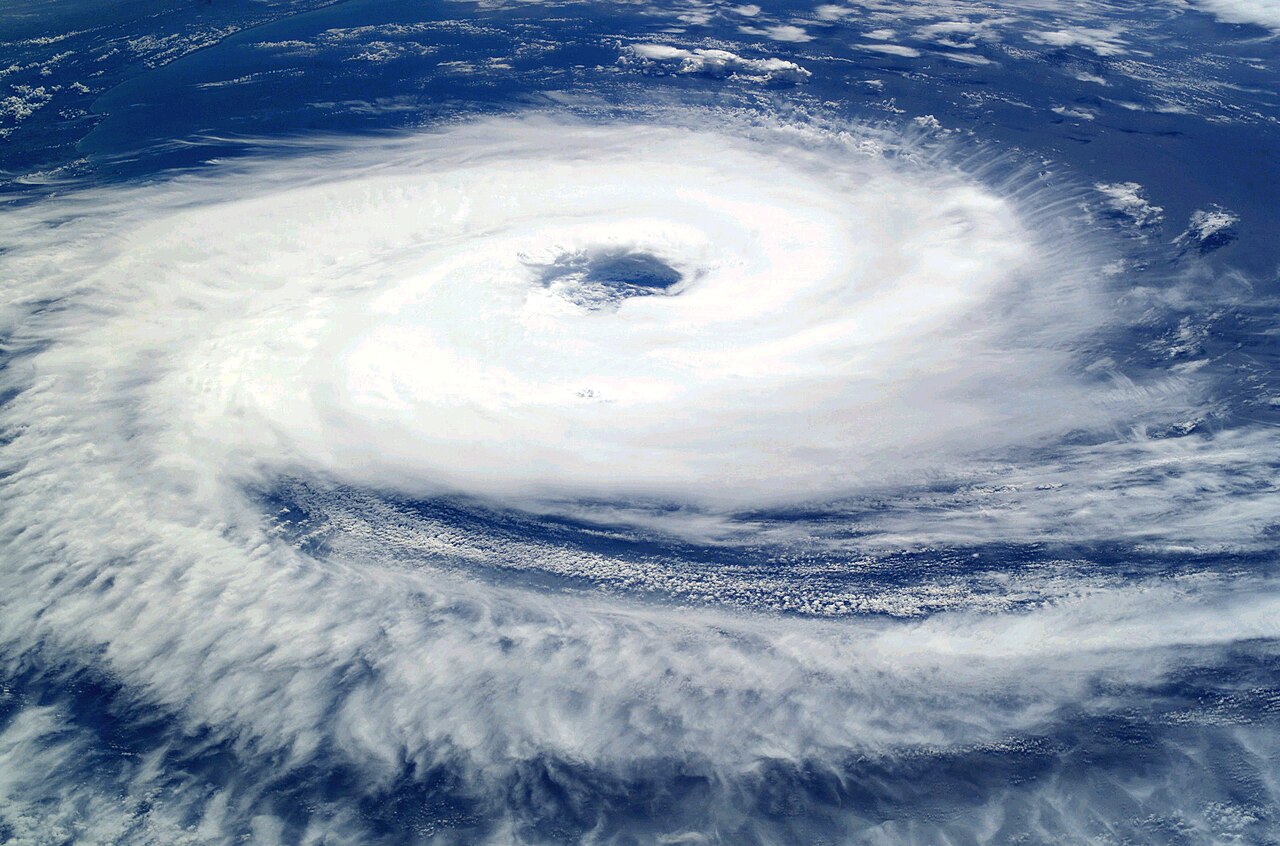
- Hurricane Carlotta — The season's most intense storm. Carlotta became one of the strongest Pacific hurricanes observed so early in the year and is recorded as the second strongest June hurricane in modern records; it was associated with a maritime disaster when a vessel sank, resulting in 18 fatalities. Ship sinking reports were the deadliest outcome of the season.
- Hurricane Daniel — Tracked toward the central Pacific and briefly posed a threat to the U.S. state of Hawaii, but weakened as it approached and ultimately caused limited effects in the islands. Hawaii preparations were activated while the threat persisted.
- Tropical Storms Miriam, Norman, and Rosa — Each made landfall along the Pacific coast of Mexico. Impacts were generally described as small, limited to localized flooding, gusty winds, and coastal erosion rather than widespread destruction.
Compared with some seasons that produce long-lived major hurricanes or widespread coastal disasters, 2000 stands out for having few storms that left large-scale damage on land. Nevertheless, the loss of life at sea underlines the different ways tropical cyclones can be hazardous beyond shoreline impacts.
Context and significance
The 2000 season illustrates the range of outcomes in a Pacific hurricane year: powerful storms can develop early, as with Carlotta, while other systems may remain weak or decay before reaching populated areas. Records and post-season analyses by regional centers help refine forecasting techniques and maritime advisories. For contemporary documentation and technical summaries, consult official storm archives and agency reports, which compile tracks, intensities, and impact assessments maintained by agencies and research institutions. Tropical cyclone summaries and historical notes provide the detailed track and intensity data for seasons such as 2000.
Author
AlegsaOnline.com 2000 Pacific hurricane season Leandro Alegsa
URL: https://en.alegsaonline.com/art/133598