
1992 Republican National Convention
The Republican Party's 1992 nominating convention, held in Houston's Astrodome, where President George H. W. Bush and Vice President Dan Quayle were renominated amid a changing electoral landscape.
Overview
The 1992 Republican National Convention was the formal gathering at which the United States Republican Party renominated its presidential and vice-presidential candidates for the 1992 election. The four-day event took place from August 17 to August 20, 1992, in the Houston Astrodome. It combined party business, speeches, and a presentation of the party platform in an effort to unite delegates and appeal to a wider electorate heading into the fall campaign.
Image gallery
5 Images



Location and setting
Organizers chose the Astrodome in Houston, Texas, a large indoor stadium that allowed for a mass-media spectacle and space for thousands of delegates, alternates, and guests. The venue highlighted the party's desire for a high-profile, nationally televised convention and underscored Houston's role as a major political and media center. For more on the host city and site, see Houston Astrodome and the convention overview for the Republican National Convention.
Nominations and platform
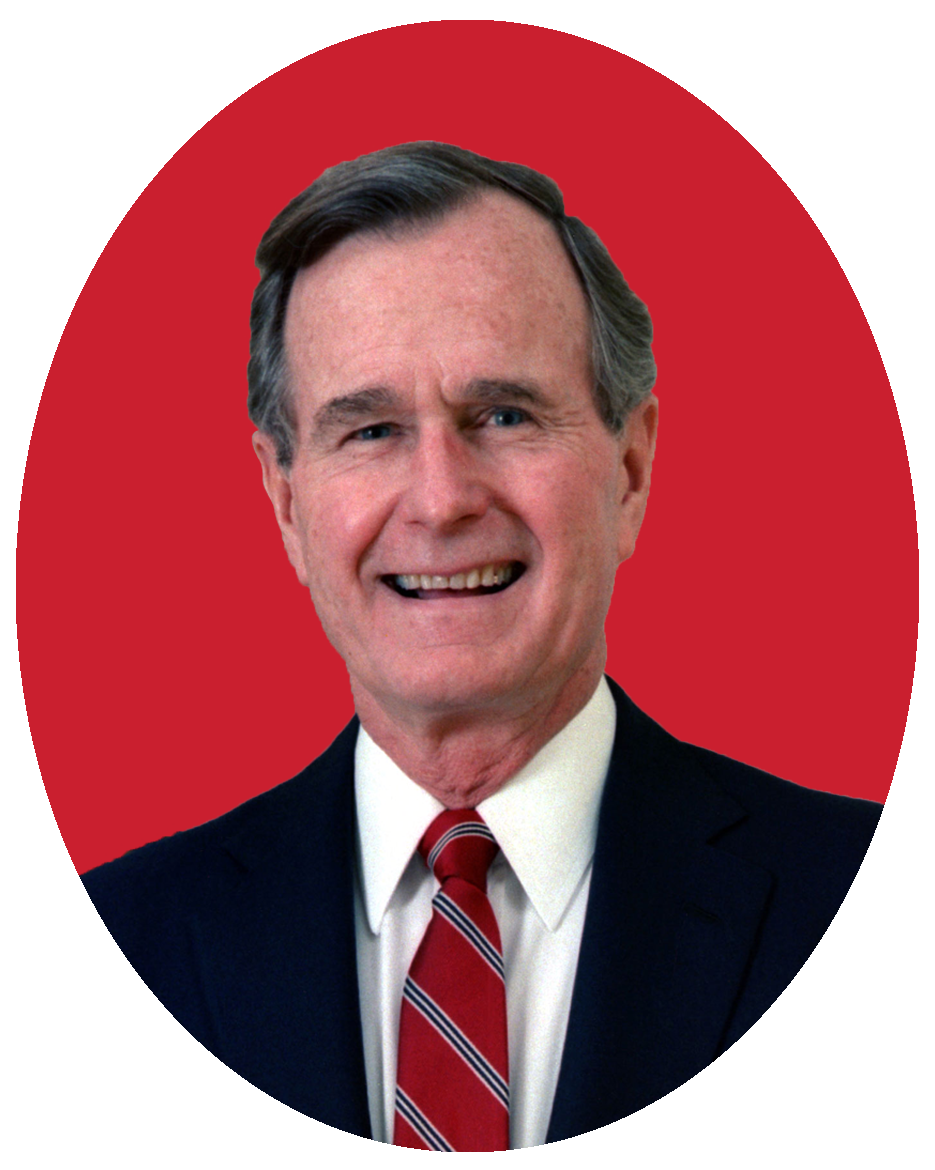
Delegates formally nominated President George H. W. Bush and Vice President Dan Quayle for a second term. The convention emphasized the administration's foreign policy accomplishments, particularly the successful multinational effort in the Gulf region, while also outlining domestic priorities. Party leaders aimed to defend the incumbent record and present policy themes designed to address economic concerns and national security.
Notable speeches and events
The program featured a range of elected officials, activists, and former officeholders. One of the most widely remembered moments was a major address by former President Ronald Reagan, given late in his public speaking career. Delegates also heard from current party leaders and rising voices seeking to energize the base. Biographical and background resources about the nominees were circulated during the convention; see candidate materials for George H. W. Bush (biography) and background on Dan Quayle.
Context and aftermath
Although national conventions are intended to consolidate support and launch the general-election campaign, the 1992 convention took place in a politically turbulent year. Economic worries and the candidacy of an independent contender reshaped the electoral environment. Despite the renomination and concerted efforts at the convention to present a unified message, the Republican ticket faced major challenges in the November general election.
Significance
- The convention offered a high-profile platform to summarize the incumbent administration's record and to argue for its continuation.
- It served as one of the final major public appearances for a prominent former president and as a showcase for party unity and renewal efforts.
- As with most modern conventions, its role blended formal nomination procedures with media-focused spectacle intended to influence undecided voters.
Author
AlegsaOnline.com 1992 Republican National Convention Leandro Alegsa
URL: https://en.alegsaonline.com/art/133578