
1972 Democratic National Convention
The Democratic Party's nominating convention held July 10–13, 1972 in Miami Beach where Senator George McGovern won the presidential nomination and a subsequent vice‑presidential controversy reshaped the campaign.
The 1972 Democratic National Convention was the official gathering of the Democratic Party to nominate candidates for the 1972 presidential election. It took place at the Miami Beach Convention Center in Miami Beach, Florida, from July 10 to July 13, 1972. The convention reflected changes in party rules and the rising influence of primary voters after reforms enacted following the 1968 convention. Delegates assembled to adopt a platform, select a ticket, and set the tone for the fall campaign.
Image gallery
10 Images


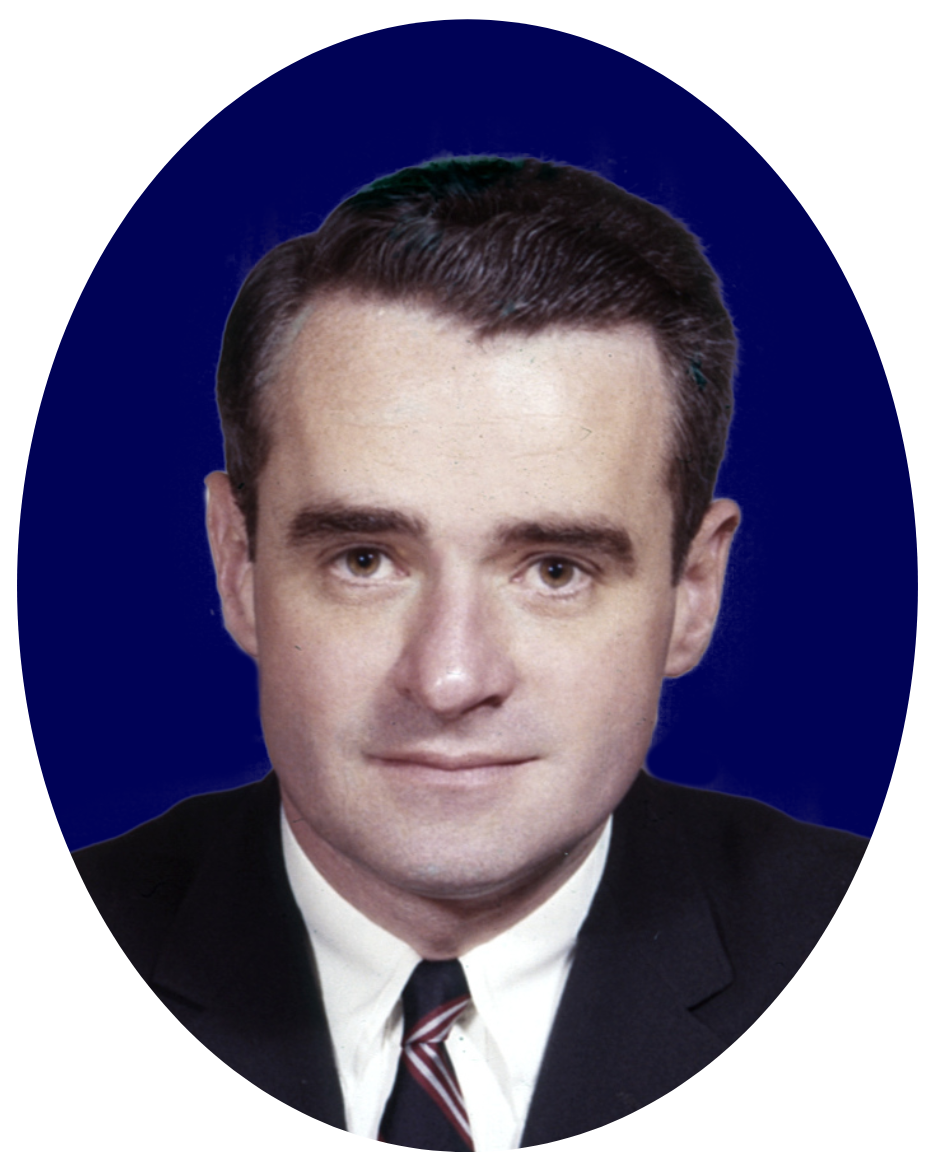

Nomination and key figures
The convention nominated Senator George McGovern (McGovern) of South Dakota as the party's presidential candidate. McGovern had emerged from the primary season as the leading anti‑war and reform candidate, winning support from many new delegates and activist groups. Yvonne Braithwaite Burke served as vice‑chair of the convention, making history as the first African American and the first woman of color to hold that position, an emblem of the era's push for greater representation.
Platform and party reforms
Delegates debated a platform that emphasized ending American involvement in Vietnam, expanding social programs, and reforming campaign practices. Many of these positions were shaped by the McGovern‑Fraser reforms that increased the role of primaries and reduced control by party elites. The convention demonstrated a realignment within the party toward more open procedures and a stronger voice for anti‑war and progressive activists, even as establishment figures sought to influence the ticket and message.
The vice‑presidential controversy
McGovern's original running mate was Senator Thomas Eagleton of Missouri—identified in some contemporary accounts as a surprise choice who initially united several party factions. Within weeks it became public that Eagleton had received psychiatric treatment in the past, including hospitalization and electroconvulsive therapy, prompting debate about his fitness for the ticket and the standards for public disclosure. Eagleton ultimately withdrew from the ticket 19 days after his selection, and the campaign chose Sargent Shriver of Maryland as his replacement; Shriver was connected to the Kennedy family through marriage and was seen as a more establishment choice. The episode raised questions about vetting procedures and crisis management in national campaigns.
Convention dynamics and public reaction
The gathering featured intense floor fights over rules, roll calls, and platform language, with television coverage bringing both the substance and the spectacle of the convention into American living rooms. The era's demonstrations and heightened public interest in party reform meant that the convention was not only a procedural event but also a signal of shifting political coalitions. Delegates and observers noted a new emphasis on inclusion—racial, gender, and generational—as well as continuing tensions between grassroots activists and party regulars.
Aftermath and historical significance
The McGovern ticket went on to lose the 1972 general election by a large margin to the incumbent president, a result often attributed to internal divisions, the vice‑presidential controversy, and the broader political climate. Nonetheless, the convention is remembered for the practical effects of the reform movement that had altered how candidates are chosen and how parties balance activism with electoral strategy. It also marked milestones in representation and prompted ongoing discussion about candidate vetting, media scrutiny, and the role of conventions in modern campaigns. For more detailed contemporaneous accounts and archival material see related resources and historical summaries provided by party archives and scholarly studies: contemporary reports, scholarly analyses, and campaign documents preserved by institutions and repositories.
- Dates: July 10–13, 1972.
- Location: Miami Beach Convention Center, Miami Beach.
- Presidential nominee: George McGovern.
- Initial vice‑presidential nominee: Thomas Eagleton; replacement: Sargent Shriver.
- Convention vice‑chair: Yvonne Braithwaite Burke (first African American woman in that role).
The 1972 convention remains a key episode in the study of American political parties because it illustrates the consequences of procedural reform, the influence of televised politics, and the practical challenges of assembling a national ticket under intense media scrutiny.
Author
AlegsaOnline.com 1972 Democratic National Convention Leandro Alegsa
URL: https://en.alegsaonline.com/art/133535