
Sargent Shriver: American public servant and first Peace Corps director
Biography of Robert Sargent Shriver Jr. (1915–2011), his roles as the first Peace Corps director, head of antipoverty programs, U.S. ambassador, 1972 VP nominee, and his civic legacy.
Robert Sargent Shriver Jr. (1915–2011) was a prominent American political figure and public administrator best known for organizing and leading new federal initiatives in the 1960s. He served as the inaugural director of the Peace Corps, helped create and run major antipoverty efforts, and later represented the United States as ambassador to France. His career blended government posts, advocacy, and a sustained interest in volunteerism and social programs.
Image gallery
4 Images


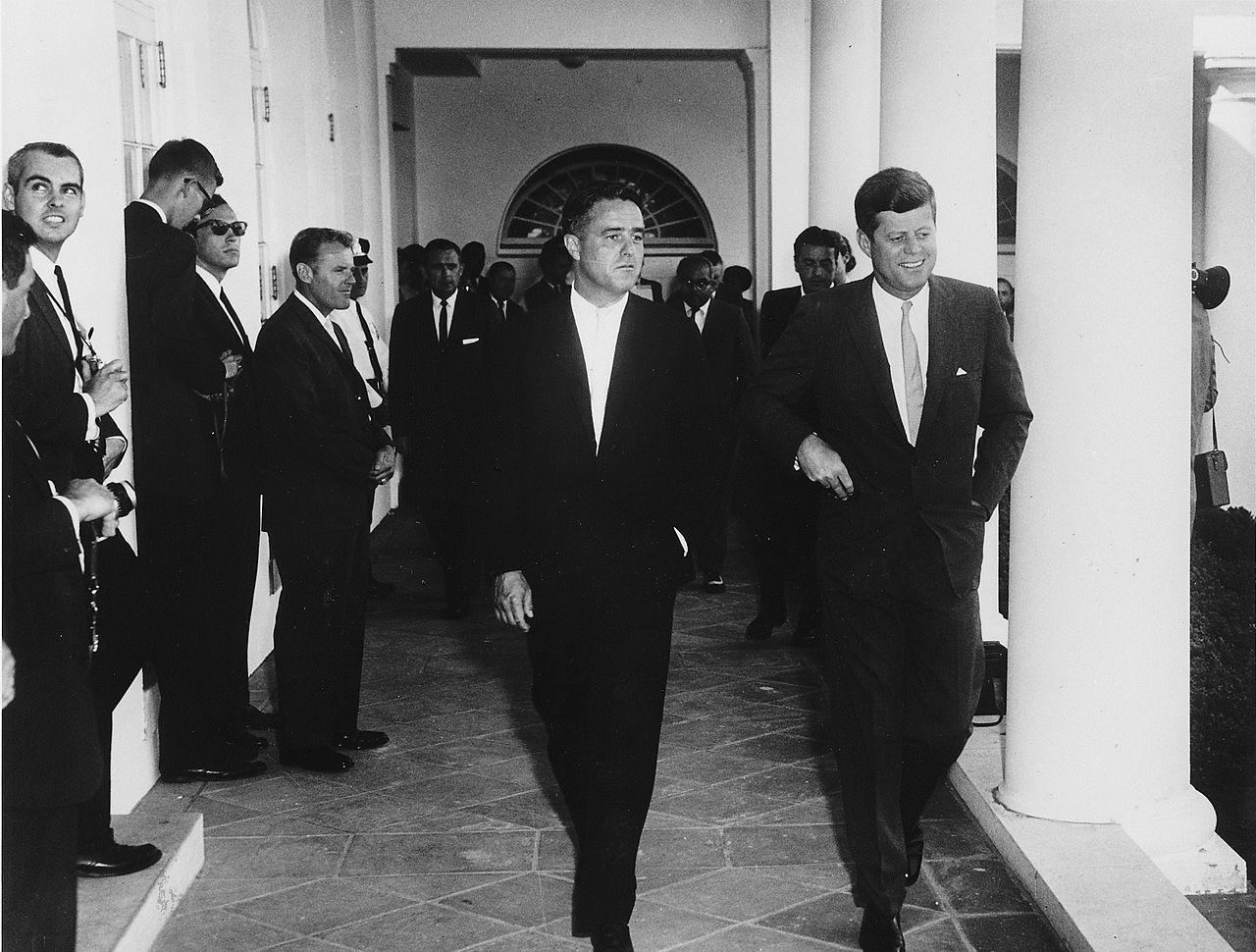
Public roles and achievements
Shriver became the first director of the Peace Corps in 1961, helping to shape a program that dispatched American volunteers abroad to support education, health, and development projects. From 1964 he led the Office of Economic Opportunity (OEO), the hub of the federal "War on Poverty," overseeing programs such as Job Corps and Head Start that aimed to expand educational and employment opportunities for disadvantaged Americans.
He served as U.S. ambassador to France from 1968 to 1970, representing American interests during a turbulent era in international affairs. In 1972 he accepted the Democratic vice-presidential nomination and ran on the ticket with Senator George McGovern; the ticket was defeated by President Richard Nixon and Vice President Spiro Agnew.
Major offices
- First Director, Peace Corps (1961–1966)
- Director, Office of Economic Opportunity (OEO) (1964–1968)
- U.S. Ambassador to France (1968–1970) — Ambassador to France
- Democratic vice-presidential nominee, 1972 (running mate: George McGovern)
Shriver's leadership style combined energetic program-building with practical management of federal agencies. He worked closely with other policymakers to translate presidential priorities into operational agencies, and he frequently emphasized volunteer service, community engagement, and measurable results.
Legacy and later life
Married into the Kennedy family, he remained active in civic affairs for decades and was associated with initiatives that sought to expand access to education and opportunity. His public service record is often cited in discussions about volunteerism, poverty reduction, and the expansion of the social safety net. He died in 2011, leaving a legacy tied to institution-building and a modern conception of service-oriented government.
For more about his programs and influence, see agencies and historical summaries linked here: Peace Corps overview, U.S.-France relations, and historical accounts of the 1972 campaign with McGovern and opponents Nixon and Agnew.
Questions and answers
Q: Who was Sargent Shriver?
A: Sargent Shriver was an American politician and activist.
Q: What was Sargent Shriver's role in the Peace Corps?
A: Sargent Shriver was the first director of the Peace Corps from 1961 until 1966.
Q: What was Sargent Shriver's role in the OEO?
A: Sargent Shriver was the first director of the OEO from 1964 until 1968.
Q: What was Sargent Shriver's role as an ambassador?
A: Sargent Shriver was the 21st ambassador to France from 1968 until 1970.
Q: Who did Sargent Shriver run for vice president with in 1972?
A: Sargent Shriver ran for vice president with presidential nominee George McGovern in 1972.
Q: Who won the election between Sargent Shriver and Richard Nixon in 1972?
A: Richard Nixon won the 1972 election against Sargent Shriver.
Q: In addition to his political roles, what was another aspect of Sargent Shriver's career?
A: In addition to his political roles, Sargent Shriver was also an activist.
Author
AlegsaOnline.com Sargent Shriver: American public servant and first Peace Corps director Leandro Alegsa
URL: https://en.alegsaonline.com/art/130529