
16th Street Baptist Church bombing (1963)
A racially motivated bomb attack on Birmingham's 16th Street Baptist Church on September 15, 1963, that killed four girls, accelerated national outrage during the civil rights era and later produced convictions.
Overview
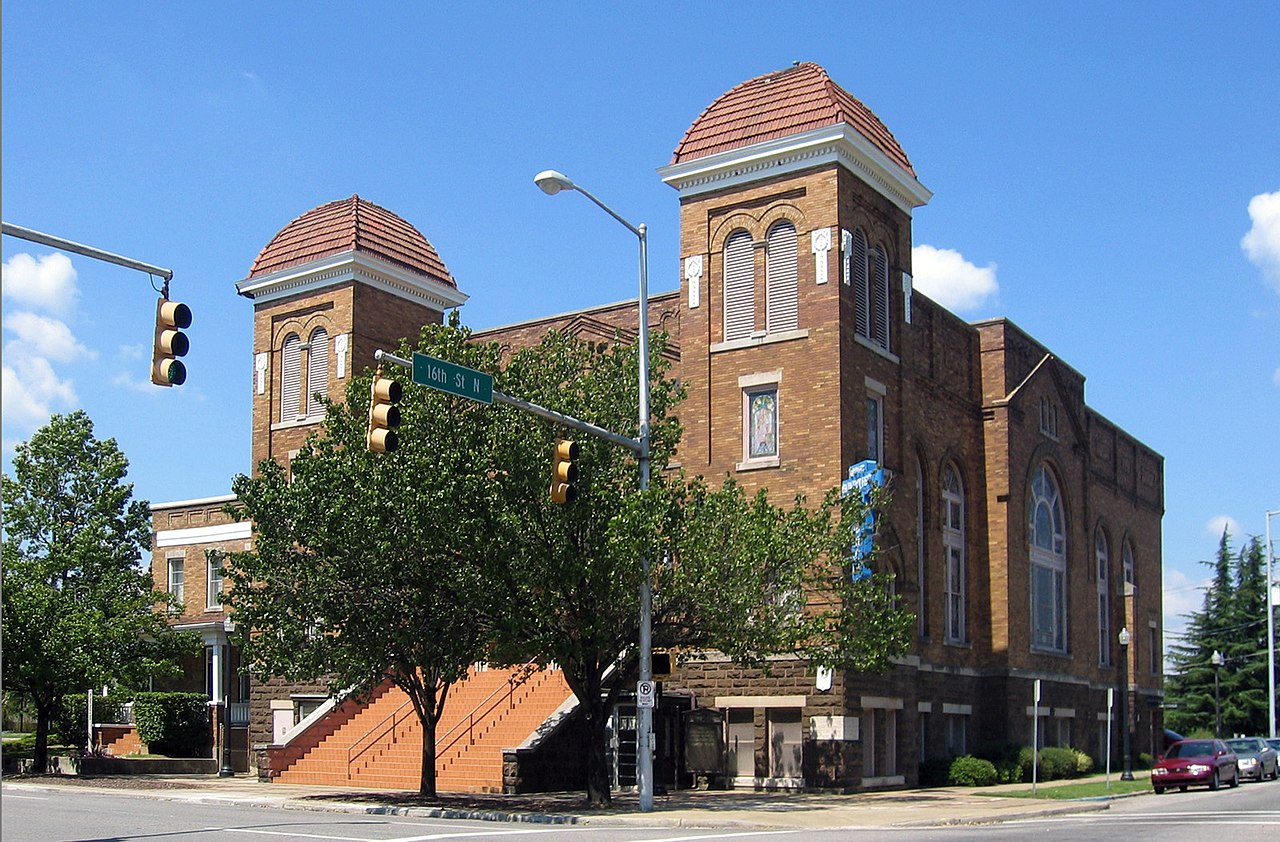
On Sunday, September 15, 1963, an explosive device detonated at the African-American congregation of the 16th Street Baptist Church in Birmingham, Alabama. The blast killed four children and injured many others, shocking the nation. The attack has been widely described as an act of white supremacist violence and a form of domestic terrorism directed at the Black community and its institutions.
Image gallery
10 Images





The attack and its victims
The bomb had been placed beneath steps on the east side of the church and consisted of multiple sticks of dynamite. When it exploded in the morning, it destroyed part of the building and claimed the lives of four girls: Addie Mae Collins (14), Cynthia Wesley (14), Carole Robertson (14), and Denise McNair (11). The deaths of these children became a focal point of national coverage and mourning.
Investigation and prosecutions
Local and federal authorities investigated the crime. The FBI concluded in the mid-1960s that members of a local chapter of the Ku Klux Klan were responsible, and identified four suspects. Despite that early conclusion, prosecutions were delayed for years. Eventually, Robert Edward Chambliss was convicted in 1977; Thomas Edwin Blanton Jr. and Bobby Frank Cherry were convicted in later trials. Herman Frank Cash was identified as a suspect but died without being prosecuted. The men were described at the time as segregationists who opposed the civil rights movement.
Historical context and impact
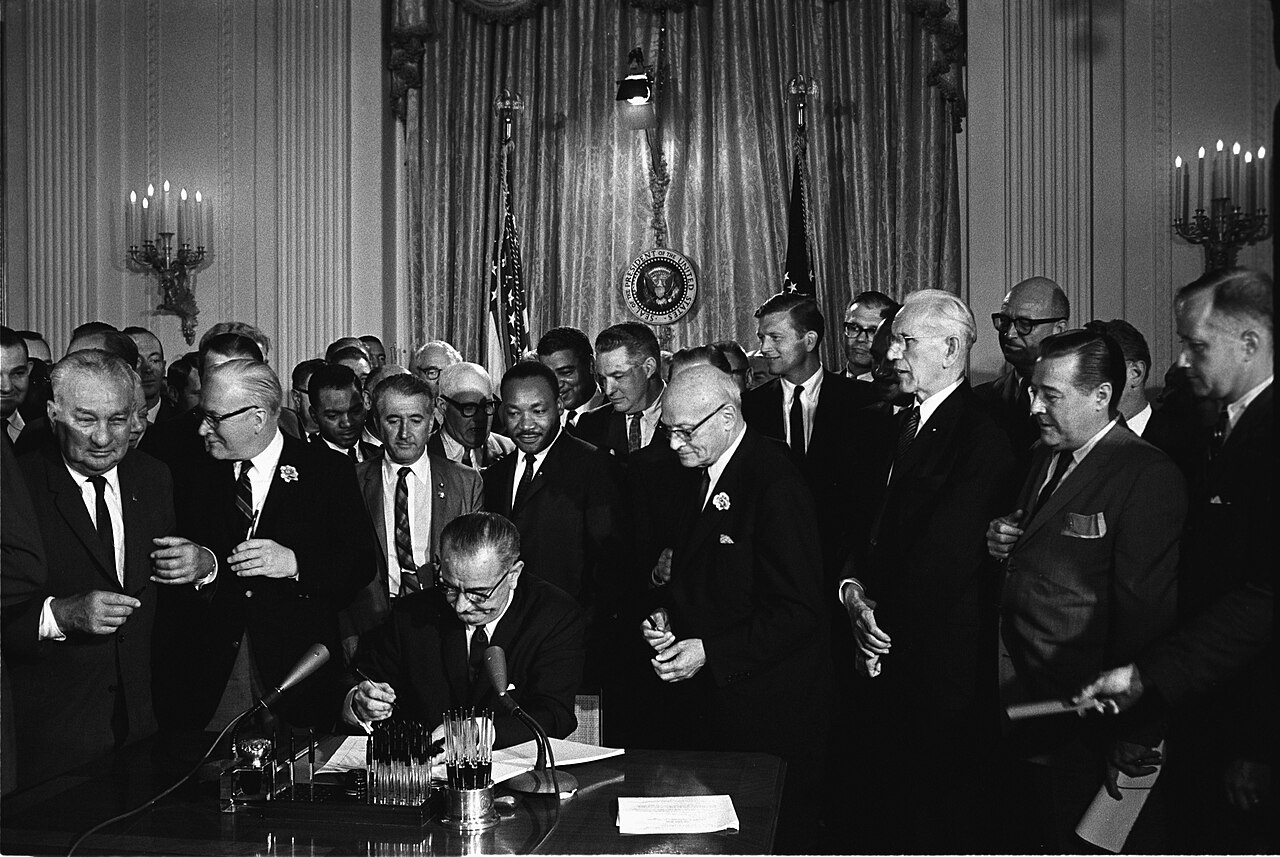
The bombing occurred during a concentrated campaign to challenge racial segregation in Birmingham, which had been a center of civil rights demonstrations earlier that year. The attack intensified national outrage over racial violence and helped build political momentum for federal civil rights legislation. Public reaction included vigils, protests and calls for justice from civic and religious leaders across the country.
Memorials and legacy
The 16th Street Baptist Church remains an active congregation and a place of remembrance. Annual commemorations honor the victims and educate new generations about the events and their aftermath. The bombing is frequently cited in histories of the civil rights movement as a turning point that exposed the brutality faced by African Americans and underscored the urgency of social and legal reforms. The church and surrounding sites have become places for learning and reflection.
Notable facts and distinctions
- The attack specifically targeted a prominent African-American house of worship in Birmingham, Alabama, a city that had been a center of civil rights activism.
- The four child victims symbolized the human cost of racially motivated violence and galvanized broader public sympathy for civil rights causes.
- Investigations and prosecutions spanned decades, highlighting the challenges of achieving justice amid local resistance and changing social attitudes.
- For further context on related topics — historical background, legal proceedings, and memorial efforts — see resources about the church and the civil rights era (search terms: 16th Street Baptist Church, Birmingham 1963, civil rights).
For additional primary-source material, investigative reports, and historical analyses, consult archives and reputable history resources that document the event and its significance to American civil rights history. The bombing continues to be studied as a tragic example of racially motivated violence and its long-term cultural and legal consequences.
Related topics and organizations discussed in this article: African-American religious life, events in Birmingham, Alabama, and the activities of extremist groups referenced as Ku Klux Klan-affiliated. Contemporary discussions sometimes link the bombing to broader patterns of resistance to desegregation and to the national response to racial injustice.
Other references and further reading may be found via archival collections, civil rights museums, and dedicated historical summaries that document the investigation and the later trials.
Author
AlegsaOnline.com 16th Street Baptist Church bombing (1963) Leandro Alegsa
URL: https://en.alegsaonline.com/art/133490