
Zhou Enlai: Premier, Diplomat, and Architect of Early PRC Statecraft
Zhou Enlai (1898–1976) was the first Premier of the People’s Republic of China, a senior Communist Party leader and a skilled diplomat who shaped China’s foreign policy and helped manage government affairs under Mao.
Overview
Zhou Enlai (5 March 1898 – 8 January 1976) was a central figure in the founding decades of the People’s Republic of China. He served as the country’s first Premier from October 1949 until his death in 1976 and was one of the Communist Party’s most visible and enduring leaders. Known for his diplomatic skill and administrative competence, Zhou combined political loyalty with a reputation for pragmatism that made him a key intermediary among Chinese leaders and between China and other states.
Image gallery
10 Images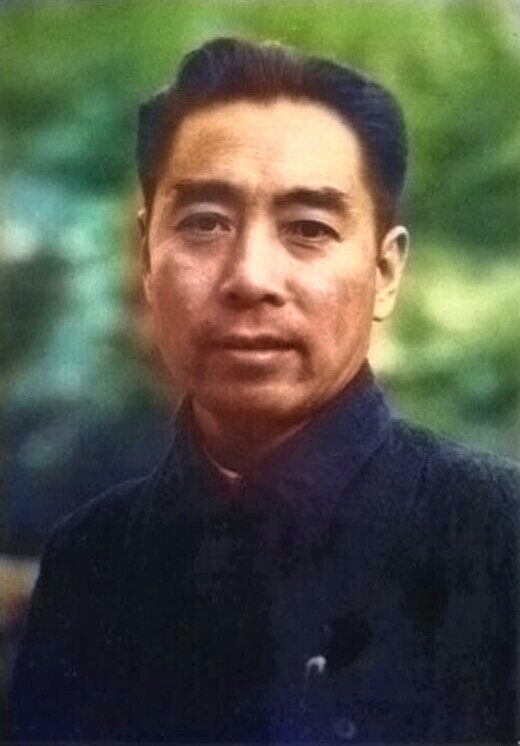


Early life and political rise
Zhou came from a Jiangsu family and, as a young man, pursued studies abroad where he encountered modern political ideas. During the 1920s and 1930s he became active in revolutionary circles and rose within the ranks of the Chinese Communist Party. Over the years he took on a range of responsibilities in party, military and government affairs, gaining a reputation as an organizer who could manage complex administrative tasks and delicate negotiations.
Roles in government and diplomacy
After 1949 Zhou served simultaneously as Premier and, for a time, as foreign minister. He oversaw the new central government’s day-to-day operations, efforts at economic reconstruction, and the establishment of diplomatic relations. As foreign minister (1949–1958) and later as the state’s chief diplomat, Zhou represented China at major international conferences and negotiations, including participation at the 1954 Geneva talks on Indochina. He continued to play a central role in shaping China’s external posture throughout his premiership.
Managing foreign relations and crises
Zhou’s diplomatic career stretched across several turbulent episodes: the Korean War period, the shifting alliance with the Soviet Union and the later Sino-Soviet split, border tensions with India, and China’s evolving relationship with Vietnam. Perhaps most publicly, he helped manage the opening to the United States that culminated in President Richard Nixon’s visit to China in 1972, a diplomatic breakthrough that altered Cold War alignments. His style emphasized patient negotiation, careful protocol, and building personal contacts.
During the Cultural Revolution
The Cultural Revolution (1966–1976) posed difficult political challenges. Zhou remained in office throughout the upheaval and is widely regarded as having tried to protect state institutions and individuals where he could while navigating factional pressures. His position often required balancing loyalty to Party leadership with attempts to preserve governance capacity and minimize damage to China’s administration and foreign relations.
Personality and legacy
Zhou was known for a low-key demeanor, a mastery of ceremony and detail, and an ability to mediate between competing interests. He functioned as a stabilizing force in the leadership and long outlasted many contemporaries. On his death in January 1976, public mourning highlighted his stature in Chinese society. Historians and diplomats frequently note his role as a pragmatic counterpart to more radical or charismatic leaders among his peers.
Further reading and sources
- Chinese name and personal background
- Biographical summary and timeline
- Family name and naming conventions
- Pinyin and pronunciation
- People's Republic of China: founding context
- Mao Zedong and party leadership
- Communist Party roles and organization
- Korean War and its diplomatic aftermath
- Nixon's 1972 visit and diplomacy with the US
- Cross-strait relations and Taiwan
- Sino-Soviet relations and tensions
- Border relations with India
- China–Vietnam relations
- Memoirs and diplomatic assessments (e.g., Kissinger)
Note: This article summarizes broadly established aspects of Zhou Enlai’s public life: dates, offices, and major diplomatic roles are widely documented; assessments of motives and private decisions remain the subject of historical interpretation.
Author
AlegsaOnline.com Zhou Enlai: Premier, Diplomat, and Architect of Early PRC Statecraft Leandro Alegsa
URL: https://en.alegsaonline.com/art/133320