
Boulder County, Colorado: overview, geography, history and communities
County in north-central Colorado centered on the city of Boulder; known for university research, outdoor recreation, Front Range landscapes and a mix of mountain and plains communities.
Overview
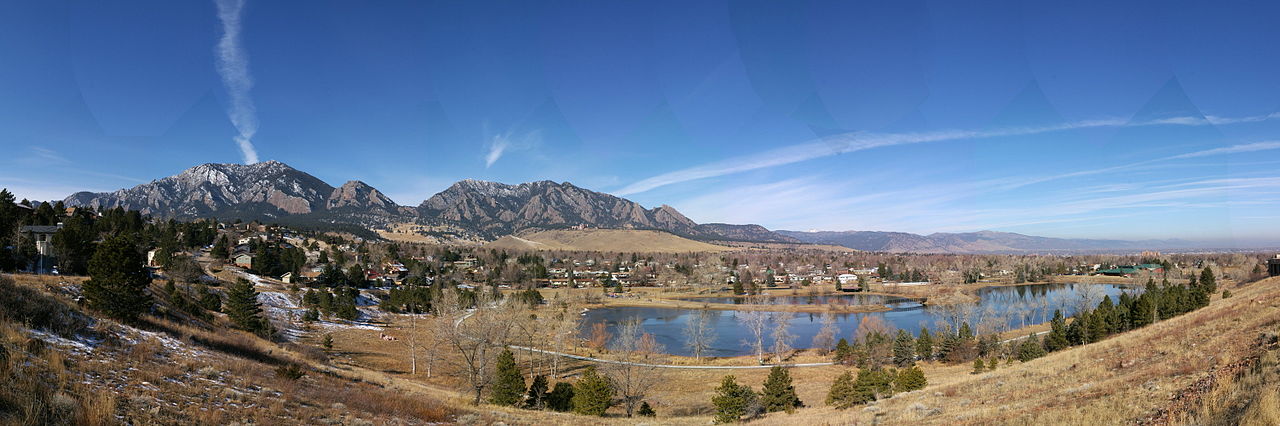
Boulder County lies on the eastern flank of the Rocky Mountains in the United States, within the state of Colorado. The county seat is Boulder (Boulder is also the largest city and cultural center). According to the 2010 census, 294,567 people lived in the county; the population has continued to grow and diversify since then, driven by education, research and outdoor-oriented lifestyles.
Image gallery
5 Images


Geography and climate
The county stretches from high plains into steep foothills and alpine ridgelines characteristic of the Front Range. Prominent landforms include the Flatirons near Boulder and mesas and canyons further north and west. Major waterways such as Boulder Creek and the St. Vrain River drain the area. The county experiences a semi-arid mountain climate with warm summers, cool nights, and snowy winters at higher elevations.
History
Settlement in the area expanded in the 19th century with mining, ranching and agriculture, followed by the arrival of railroads and the growth of towns. The establishment of higher education and research institutions in Boulder shaped the county's modern character, attracting scientific, cultural and technology-oriented activity while many communities sought to balance growth with conservation of scenic and recreational lands.
Economy, institutions and culture
Boulder County is notable for the University of Colorado in Boulder and a cluster of national laboratories, technology firms and startups that support research and high‑skilled employment. Outdoor recreation, tourism and small-scale agriculture also contribute to the local economy. Cultural life includes performing arts, festivals, and an active community of nonprofit and volunteer organizations.
Government and services
Local government is led by an elected board of county commissioners and a variety of municipal and special districts that manage land use, open space, water and transportation. Residents rely on county and state agencies for planning, public safety and environmental protection; federal agencies also play roles in research, land management and emergency services (federal resources).
Communities and transportation
Besides Boulder, principal municipalities include Longmont, Lafayette, Louisville, Nederland and Lyons, along with smaller mountain and plains towns. Transportation includes regional highways, commuter routes and transit options connecting communities to the Denver metropolitan area and mountain corridors.
Recreation and conservation
- Extensive open space and trail systems support hiking, climbing, mountain biking and wildlife viewing.
- Protected areas and county preserves conserve scenic ridgelines, riparian corridors and working agricultural lands.
- Seasonal outdoor activities include trail running, cross-country skiing in higher terrain and river recreation along creeks and reservoirs.
For official data, maps and local services consult county resources and regional planning offices; many local organizations publish visitor information and volunteer opportunities online. Official or archival materials from national, state and county partners provide additional guidance on land use, safety and research programs.
Related articles
Author
AlegsaOnline.com Boulder County, Colorado: overview, geography, history and communities Leandro Alegsa
URL: https://en.alegsaonline.com/art/13327